2026 Top Sodium Nitrate Crystal Suppliers for Global Buyers
Finding reliable Sodium Nitrate Crystal suppliers in 2026 takes more than comparing quoted prices. Global buyers need consistent specifications, clear documentation, and delivery plans that match production schedules. Small differences in crystal size, moisture level, or stated assay may affect handling and downstream performance. Ask for a current specification sheet and a certificate of analysis linked to the offered batch. Useful details include package weight, lot identification, storage guidance, and the process for reporting a discrepancy. Details matter.
A dependable supplier should answer technical questions directly and provide traceable product information. Buyers can compare quality-control practices, available packaging, lead times, export experience, and communication across time zones. Check that shipping documents and product descriptions align, and confirm how stock availability is verified before placing an order. Where samples are offered, assess them against the same criteria used for incoming shipments. Small checks help.
This guide considers suppliers through practical purchasing factors rather than promotional claims. It also recognizes that a supplier suited to one buyer may not suit another: order size, destination, internal testing capacity, and delivery urgency all shape the decision. Public information can be incomplete or change during the year, so verify important details with the supplier before committing. A polished website is not proof of consistent supply. The comparison should leave room for uncertainty, too; published specifications cannot replace batch-level records and careful receiving checks.

Understanding Sodium Nitrate Crystals and Their Industrial Uses
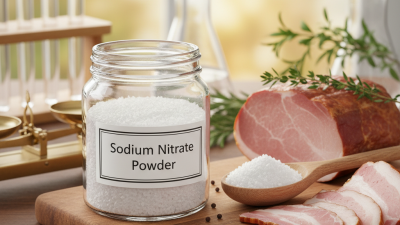
Sodium nitrate crystals are white, free-flowing solids that dissolve readily in water. Their practical value depends on more than chemical identity. Buyers and plant operators also check purity, moisture, particle-size distribution, and packaging condition. These details affect storage, weighing, and consistent dosing.
Small details matter. Damp crystals can cake, slowing handling and disrupting feed rates.
In agriculture, sodium nitrate supplies plant-available nitrogen. The FAO report World Fertilizer Trends and Outlook to 2026 projected global fertilizer nutrient use at about 208 million tonnes in 2026. That figure covers major fertilizer nutrients overall, not sodium nitrate alone. The distinction is important when assessing demand.
Outside agriculture, sodium nitrate serves as an oxidizing agent in some glass melts and is used in ceramic and chemical processes. In glass production, controlled additions can support refining by helping remove bubbles.
Not interchangeable. Each application calls for its own grade and process controls, so a general-purpose specification may not be enough.
For global buyers, current technical data and representative sampling are more useful than crystal appearance alone. Even a clear specification can miss how a material behaves in a particular plant.
How to Evaluate Sodium Nitrate Suppliers in 2026
Choosing a sodium nitrate crystal supplier in 2026 takes more than comparing quoted prices.
Ask for a recent certificate of analysis tied to the actual batch, not a generic product sheet. Check assay, moisture, insoluble matter, and crystal-size range against your process requirements. Fine crystals may dissolve quickly, while coarser material can reduce dust during handling. Confirm test methods and whether results come from an in-house or independent laboratory.
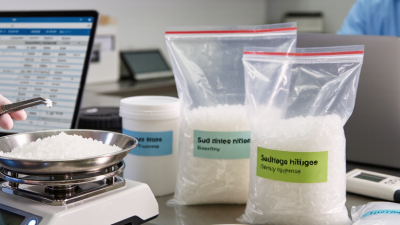
Request a small evaluation sample before approving a large order. Observe flow, caking, color, and dissolution using your normal equipment; record temperature and mixing time. Ask how the supplier controls lot consistency and maintains traceability from production to delivery. Documentation should include a current safety data sheet, packaging details, and clear storage guidance. Details matter.
Assess practical reliability, too.
Confirm bag or bulk options, pallet protection, lead times, and how delays are communicated. For export shipments, clarify delivery terms and required documents with your compliance team. Compare landed cost, not just unit price. Precise technical answers are useful, but polished replies do not prove performance. Verify claims with records and a trial order. A written scorecard may feel tedious, yet it can reveal gaps that memory tends to smooth over.
Major Producing Regions and Global Supply Networks
Sodium nitrate crystal supply is shaped by geology, chemical manufacturing, and access to ports. Chile’s Atacama region remains closely associated with naturally occurring nitrate deposits. Elsewhere, producers may make sodium nitrate through industrial chemical processes, linking supply to nitric acid, alkali inputs, and energy costs. China and India are important manufacturing centers, while other regions may serve local demand or specific grades. The geography is uneven. A supplier’s stated origin alone does not reveal its reliability; buyers should also check recent production records, crystal specifications, and shipment history.
Global networks connect mines and plants with warehouses, container terminals, and end users. Export cargo may travel in lined bags or other moisture-resistant packaging, then pass through several handlers before reaching a factory. Ask for a current certificate of analysis showing purity, moisture, and particle-size distribution. Confirm that the sample matches the commercial lot. Not always. Crystal size can vary between batches, and long transit times may increase caking if packaging or storage is poor. Port congestion, seasonal demand, and freight availability can also shift delivery dates. A tidy supply map can hide these weak points. Buyers should compare origin, lead time, documentation, and quality controls together, rather than relying on price alone.
Profiles of Leading Sodium Nitrate Crystal Suppliers
Profiles of Leading Sodium Nitrate Crystal Suppliers
Leading sodium nitrate crystal suppliers tend to distinguish themselves through reliable specifications, not glossy catalogs. Established producers may offer consistent crystal size, stated purity ranges, and batch-specific certificates of analysis. Buyers should compare moisture limits, impurity data, and packaging options. Details matter. A 25-kilogram bag should arrive dry, sealed, and clearly labeled; damaged seams can complicate storage and quality checks.
Regional distributors often provide shorter shipping routes and smaller order quantities. Their local inventory can help buyers avoid long replenishment delays, though stock levels may shift quickly. Ask whether the distributor can trace each lot to its producer and provide current documentation. A low price alone says little. Freight, handling, and storage conditions affect the delivered material, too.
Specialty chemical suppliers may support more detailed technical reviews, including sample evaluation and specification alignment. Check that documents match the intended industrial application, and confirm that the supplier can maintain the same requirements across repeat orders. Not always. Some public product pages leave practical questions unanswered. Request written confirmation of crystal form, packing, lead time, and change-notification practices before making a purchasing decision.
2026 Top Sodium Nitrate Crystal Suppliers for Global Buyers
Solubility reference for evaluating handling and storage requirements when sourcing sodium nitrate crystals.
Sodium nitrate solubility increases with water temperature. Values shown are approximate grams of sodium nitrate dissolved per 100 g of water at each temperature; actual results can vary with measurement conditions.
Quality, Regulatory, and Logistics Considerations for Buyers
For global buyers, sodium nitrate crystal quality begins with a precise purchase specification. Request a batch-specific certificate of analysis covering assay, moisture, insoluble matter, and crystal-size distribution. Compare results against agreed limits, not just a supplier’s typical values. Small differences matter. Ask how samples are retained and whether an independent laboratory can verify disputed results. A polished certificate is useful, but it cannot replace traceable batch records.
Regulatory checks depend on the destination and intended use. Confirm the product’s safety data sheet, labeling, customs documentation, and applicable local requirements before shipment. Do not assume one classification or document set fits every market. Verify transport classification with the supplier and carrier using current rules. This step can feel repetitive; skipping it can be more costly.
Logistics can affect crystal condition. Specify moisture-resistant inner packaging, sealed bags, and clear handling instructions, then inspect seals and packaging on arrival. UNCTAD’s Review of Maritime Transport 2024 reports that seaborne trade grew 2.4% in 2023, while route disruptions continued to challenge shipping schedules. Allow realistic transit buffers and agree how delays or damaged cargo will be documented. One imperfect point remains: forecasts cannot guarantee arrival dates, so buyers should plan stock cover around uncertainty.