Benefits of Using Liquid Nitrogen for Corn Crop Enhancement
In the pursuit of maximizing agricultural productivity, farmers are continuously exploring innovative methods to enhance crop yields. One such method that has gained attention is the application of liquid nitrogen for corn. This technique not only helps in providing essential nutrients but also plays a crucial role in improving soil quality and promoting healthier growth conditions for corn plants. Utilizing liquid nitrogen for corn can lead to faster germination, enhanced root development, and increased resistance to pests and diseases. As climate change and diverse environmental factors pose challenges to traditional farming practices, adopting advanced agricultural techniques such as this presents a promising solution. In this guide, we will delve into the benefits of using liquid nitrogen for corn crop enhancement and offer practical steps on how to effectively implement this method in your farming practices. By embracing liquid nitrogen for corn, farmers can unlock greater efficiency and sustainability in their efforts to cultivate robust, high-yield crops.
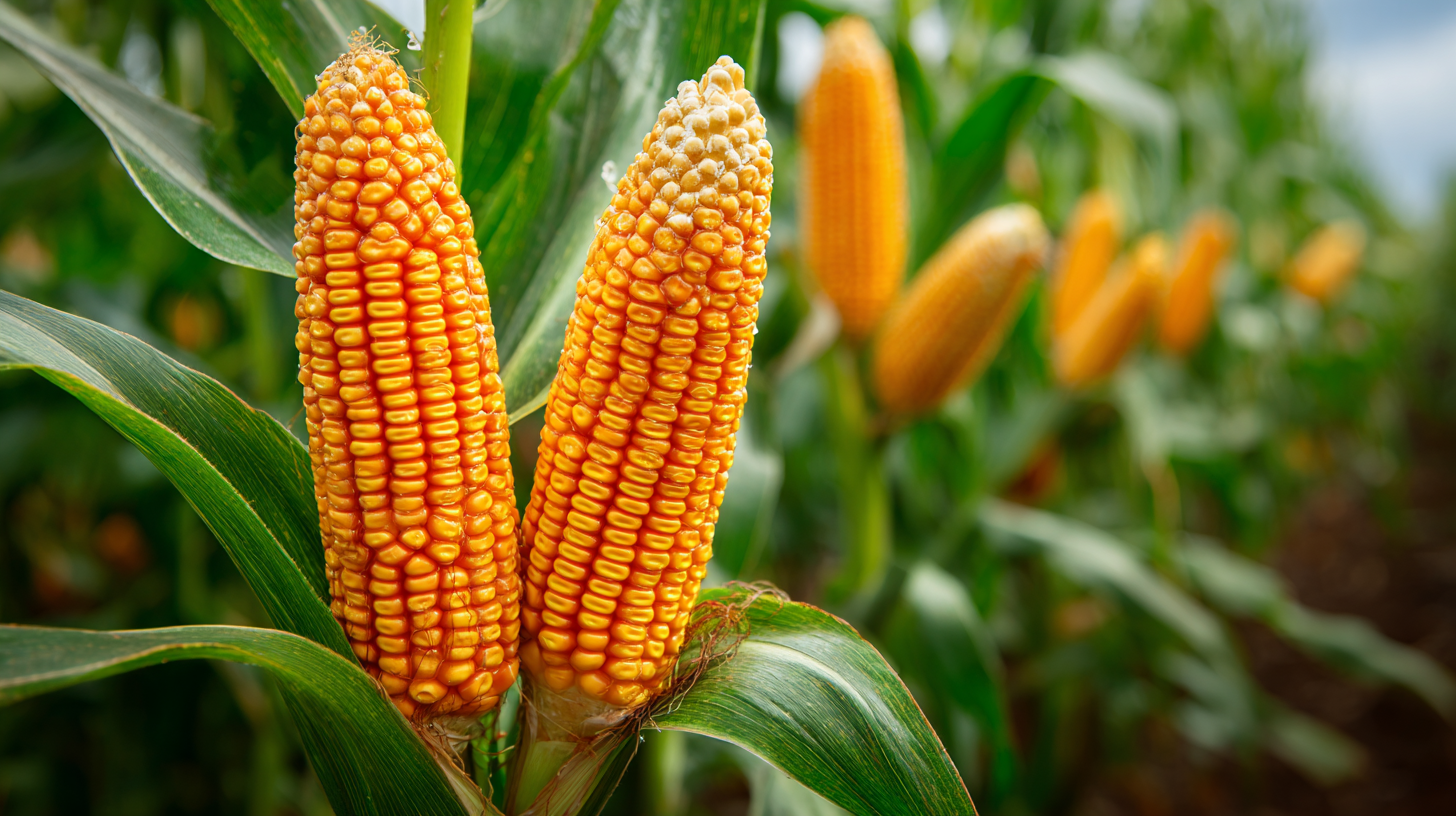
Benefits of Liquid Nitrogen Application in Corn Farming
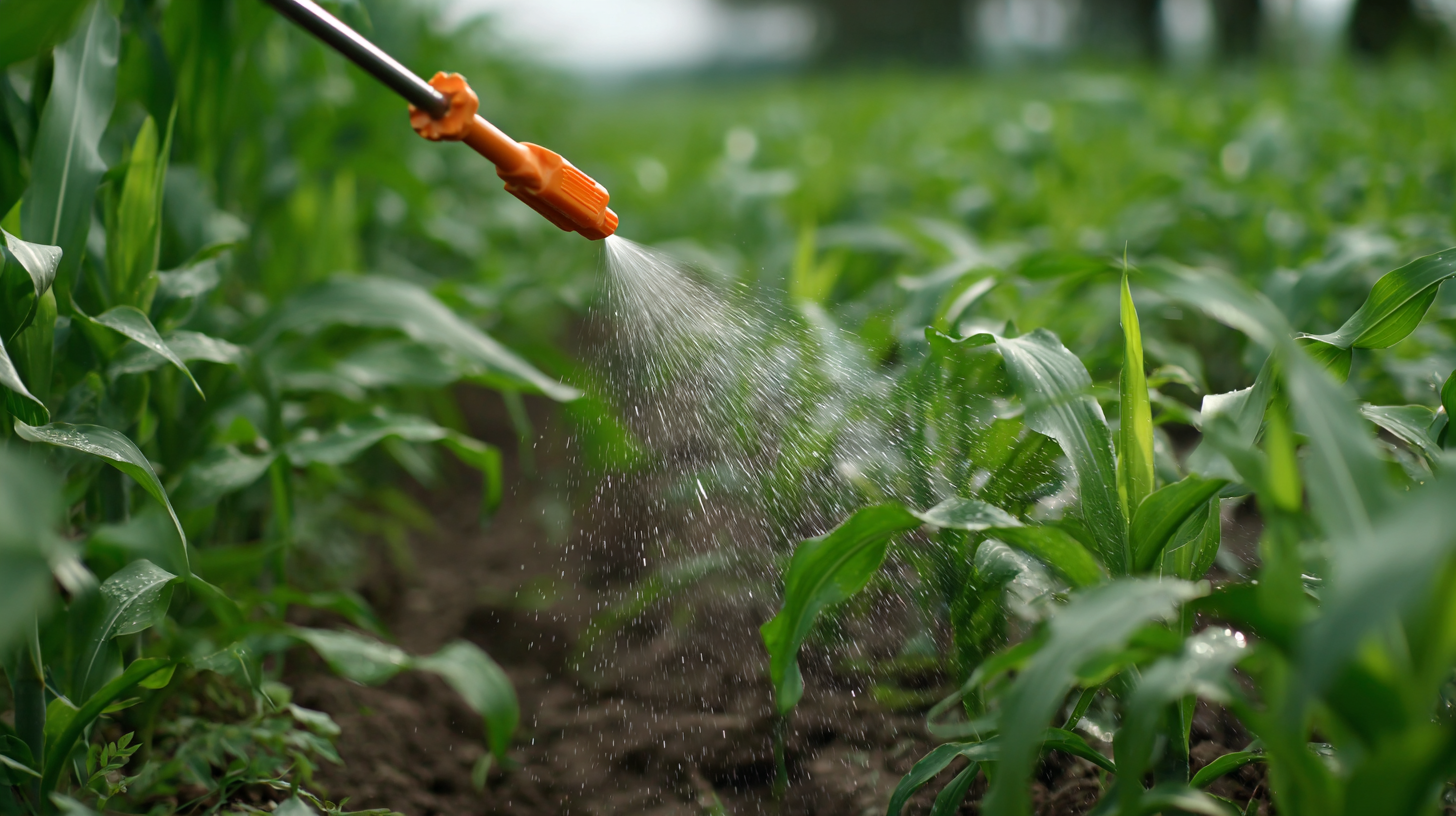 Liquid nitrogen application in corn farming brings significant advantages that can enhance crop yields and overall farm efficiency. According to the USDA National Agricultural Statistics Service, nitrogen is a crucial nutrient for corn, with studies showing that approximately 50% of the corn yield can be attributed to nitrogen fertilization. Liquid nitrogen, in particular, allows for more precise application methods, leading to better absorption by the plants compared to traditional granular fertilizers. This precision minimizes nitrogen loss to the environment, ensuring that more of the nutrient directly benefits the crop.
Moreover, using liquid nitrogen can improve the efficiency of nutrient use in corn production. Research conducted by the International Plant Nutrition Institute indicates that when liquid nitrogen is used, corn farmers can achieve a yield increase of 10-15%, particularly in areas with lower nitrogen availability in the soil. This enhanced efficiency not only boosts farm profitability but also contributes to sustainable farming practices by reducing the need for larger quantities of fertilizer, thereby lessening the environmental impact associated with excessive fertilizer runoff. Overall, liquid nitrogen presents a vital tool for modern corn farming aiming for sustainable productivity and resource conservation.
Optimal Liquid Nitrogen Usage Rates for Maximum Yield
Using liquid nitrogen (LN2) in corn crop enhancement can significantly impact yield when applied at optimal rates. Research indicates that the best performance occurs when nitrogen application varies between 150 to 200 pounds per acre, depending on soil type and moisture conditions. According to a report by the Agronomy Journal, yields can improve by as much as 20% when liquid nitrogen is strategically employed during key growth stages, particularly during the early vegetative phase when the demand for nitrogen spikes.
To maximize the effectiveness of liquid nitrogen, it's crucial to monitor soil nutrient levels regularly. One effective tip is to conduct soil tests before application to tailor nitrogen rates specifically to the crop's needs. The ideal time for application is mid-spring, as soil temperatures rise, facilitating nutrient uptake by corn plants. Additionally, applying nitrogen in split doses—one at planting and another during side-dressing—can enhance absorption and reduce nitrogen loss through volatilization.
Farmers should also consider the use of technology to optimize liquid nitrogen application. Precise application techniques, such as using GPS-enabled equipment, can ensure that nitrogen is evenly distributed across the field. This not only enhances crop response but also minimizes environmental impact, aligning with sustainable farming practices. Keeping a close eye on weather patterns can also inform timely applications, ensuring that nitrogen is available during peak uptake periods for maximum yield.
Benefits of Using Liquid Nitrogen for Corn Crop Enhancement - Optimal Liquid Nitrogen Usage Rates for Maximum Yield
| Usage Rate (L/Ha) |
Average Yield (Tons/Ha) |
Cost per Ha ($) |
Return on Investment (ROI) |
Nitrogen Price per L ($) |
| 50 |
8.5 |
75 |
2.3 |
1.50 |
| 100 |
9.8 |
150 |
3.0 |
1.50 |
| 150 |
10.5 |
225 |
3.5 |
1.50 |
| 200 |
11.2 |
300 |
4.0 |
1.50 |
Timing Strategies for Liquid Nitrogen Application in Corn Growth
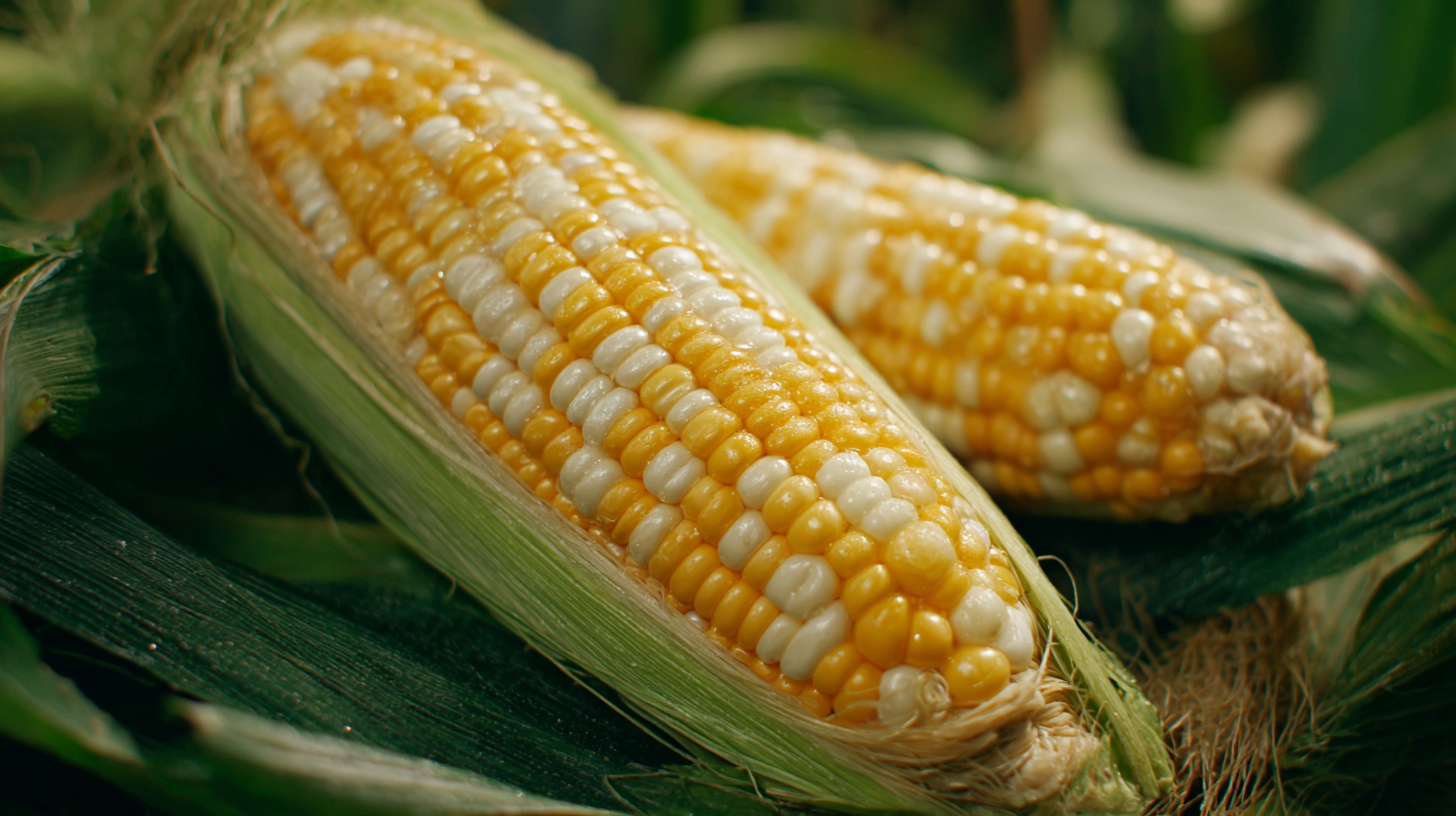 Timing is crucial when applying liquid nitrogen to enhance corn growth effectively. As nitrogen is a costly input that can quickly dissipate into the environment, it is essential to align application with the crop's nutrient uptake phase. Split applications serve as an effective strategy, allowing farmers to apply nitrogen at multiple stages of growth, particularly during key development periods. This method not only maximizes the use of nitrogen but also minimizes the risk of nutrient loss, thereby supporting optimal yield potential.
Identifying nitrogen deficiency in corn is another vital aspect of effective management. Symptoms such as V-shaped yellowing on lower leaves can indicate a deficiency, which requires timely intervention. Utilizing stabilizers can further protect nitrogen from volatilization or leaching, ensuring that the nutrient remains available for the plants. By strategizing their nitrogen applications and employing advanced technologies, farmers can significantly enhance their corn yields and improve the return on investment, even amidst the unpredictable weather conditions affecting agriculture today.
Combining Liquid Nitrogen with Other Nutrients for Enhanced Crop Performance
Combining liquid nitrogen (LN) with other essential nutrients can significantly enhance corn crop performance, addressing some of the major challenges in modern agriculture. According to a study by the International Journal of Agricultural Science, nitrogen is crucial for optimal corn yield, and liquid nitrogen provides a rapid release of this nutrient, ensuring that crops receive it during critical growth stages. By integrating LN with phosphorus and potassium, farmers can achieve a synergistic effect that not only boosts overall nutrient uptake but also maximizes photosynthetic efficiency.
Research from the USDA has shown that when liquid nitrogen is applied alongside micronutrients such as zinc and manganese, corn yields can increase by up to 20%. This is particularly important in regions with nutrient-deficient soils where conventional fertilization may fall short.
The combination of LN and other nutrients fosters a balanced nutrient profile, improving root development and enhancing drought resistance, which is vital in the face of climate variability. By adopting this multifaceted fertilization strategy, growers can optimize corn production while promoting sustainable agricultural practices.
Environmentally Friendly Practices with Liquid Nitrogen in Agriculture
The integration of liquid nitrogen in agricultural practices presents a significant advancement towards environmentally friendly farming. By utilizing liquid nitrogen, farmers can enhance corn crop yield while minimizing negative impacts on the environment. This method not only promotes better nutrient absorption by plants but also reduces the reliance on synthetic fertilizers, which are often linked to soil degradation and water pollution.
Tips for Sustainable Use of Liquid Nitrogen:
- Monitor Application Rates: To maximize benefits and minimize waste, carefully calculate the nitrogen needs of your crops based on soil tests and growth stages.
- Incorporate Cover Crops: Planting cover crops like rye or vetch can enhance soil health simultaneously with liquid nitrogen application, improving nutrient cycling and preventing erosion.
- Implement Best Practices: Regularly assess and adapt fertilization strategies using the latest research and technologies to ensure an eco-friendly approach.
Emphasizing sustainable practices, the biofertilizers market illustrates a growing trend towards eco-conscious solutions in agriculture. As the market for liquid fertilizers, including innovative options like liquid ammonium nitrate synthesized through plasma-electrocatalysis, continues to expand globally, farmers are encouraged to explore these greener alternatives for a sustainable future.