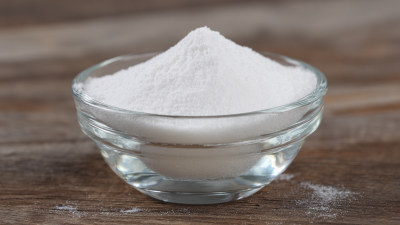
Buying Sodium Nitrate Crystal in bulk requires more than comparing prices per ton. A reliable decision begins with product identity, purity, crystal size, moisture level, packaging, and intended industrial use. Ask suppliers for a current certificate of analysis, safety data sheet, batch number, and traceable origin. These documents reveal whether the material matches your process requirements.
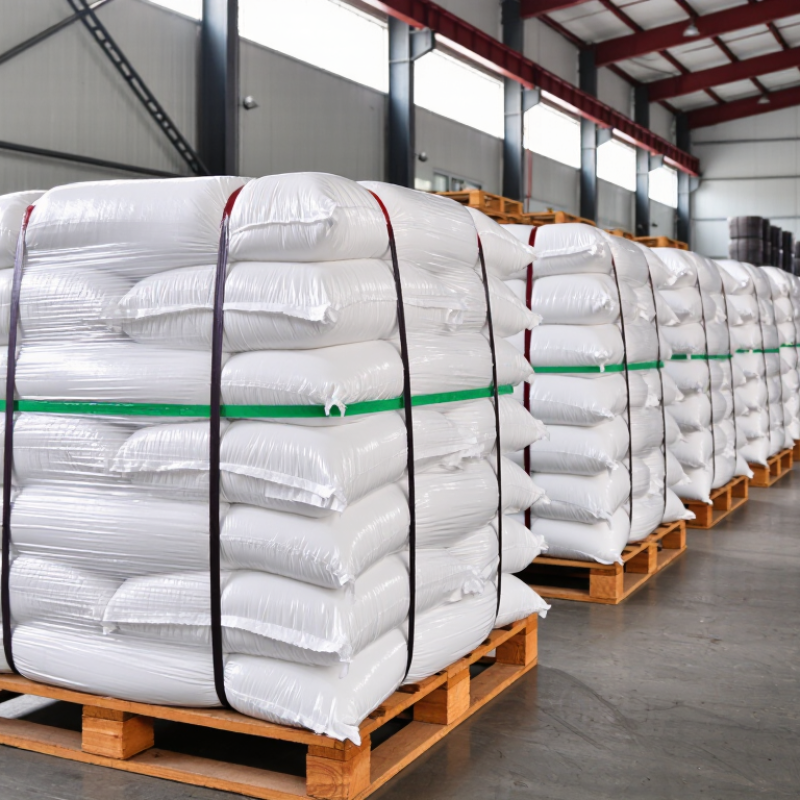
Details matter. A 25-kilogram bag may appear convenient, but a pallet of damaged bags can create contamination, storage, and handling problems. Confirm whether the crystals arrive in sealed industrial packaging, with clear labels and suitable protection from moisture. Check lead times, minimum order quantities, delivery terms, and warehouse conditions before signing a purchase agreement. Small omissions become expensive later.
Chemical process-safety expert Trevor Kletz wrote, “If you think safety is expensive, try ignorance.” His warning applies directly to bulk procurement. Sodium Nitrate Crystal should come from a supplier with documented quality controls, consistent production records, and responsive technical support. A low quote is not automatically a good deal. It may exclude testing, freight, compliant packaging, or insurance.
The figures can deceive.
Buyers should also verify regional chemical requirements and internal storage procedures. Keep the evaluation practical, but not careless. I would not approve a large order from an unfamiliar source based on price alone. A sample review, supplier audit, and written specification can prevent costly surprises. The best purchasing plan balances quality, safety, availability, and total delivered cost. It should also leave room for honest review when assumptions prove wrong.
Before requesting a bulk quotation, define the intended use of sodium nitrate crystal. Fertilizer applications may require nitrogen content, moisture limits, and consistent dissolution. Industrial heat-transfer or chemical processes may require tighter controls on chloride, calcium, magnesium, insoluble matter, and particle size. Specify purity, crystal range, bulk density, packaging, storage conditions, and required documentation. The CAS number is 7631-99-4.
Use the specification sheet as a purchasing tool, not decoration. The USGS Mineral Commodity Summaries 2024 reported global ammonia production at approximately 180 million metric tons in 2023, showing the scale of nitrogen-based supply chains. However, broad nitrogen data does not confirm sodium nitrate quality. Request a recent certificate of analysis for each lot, supported by independent laboratory testing when the application is sensitive. Check moisture after shipment.
A practical detail matters: fine crystals may dissolve quickly but create more dust. Larger crystals can improve handling, yet may dissolve unevenly in cold water. I would also compare three production lots, not one sample. Samples can look perfect. Ask for an SDS, traceability records, transport classification, and shelf-life guidance before purchase. Some buyers focus only on assay and later discover unsuitable particle size. That mistake is avoidable, though specifications sometimes need revision after pilot testing.
Buying sodium nitrate crystals in bulk starts with supplier qualification, not price comparison. The International Fertilizer Association’s 2024 outlook projects global fertilizer demand to grow by about 1.3% annually through 2028. That trend may increase supply pressure and quality variation. Request the supplier’s legal registration, manufacturing location, production capacity, export experience, and traceability procedure. A credible supplier should provide a current SDS, lot-specific Certificate of Analysis, and documented quality system.
Check the crystal itself against your written specification. Sodium nitrate contains about 16.5% nitrogen by molecular mass. Confirm assay, moisture, insoluble matter, chloride, heavy metals, particle size, and appearance. Ask for sealed retain samples and compare them with the delivered lot. An independent laboratory can verify key results, especially when the shipment is large. Supplier paperwork helps, but it is not proof by itself. I have seen low-cost offers become expensive after inconsistent crystals caused dosing and storage problems.
Tips: Use a purchase specification with clear acceptance limits. Check the batch number on bags, pallets, CoA, and shipping documents. Confirm packaging strength and storage conditions before loading. Review applicable transport and chemical regulations for your destination. A low price can be attractive, but it is not always a bargain. My own rule is useful, though imperfect: reject unexplained deviations before they become production problems.
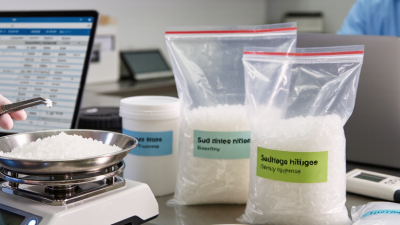
Use the supplier’s certificate of analysis and an independent laboratory report to compare each batch against the agreed purchase specification. The benchmarks below are commonly used procurement targets for technical-grade sodium nitrate and should be confirmed for the intended application.
Assay is normally evaluated as a minimum value, while moisture, chloride, and water-insoluble matter are maximum limits. Request representative sampling, batch traceability, test methods, and current documentation before approving a bulk supplier.
How to Buy Sodium Nitrate Crystal in Bulk?
Bulk pricing depends on purity, origin, order size, and delivery location. The World Bank Pink Sheet reported a sharp decline in global fertilizer prices during 2023, but sodium nitrate prices may not follow that benchmark directly. Ask suppliers for a current price basis, such as EXW, FOB, or CIF. Compare the delivered cost, not only the quoted kilogram price. A low offer may exclude port handling, testing, or insurance.
Packaging affects both cost and product condition. Common options include 25-kilogram bags, 500-kilogram flexible intermediate bulk containers, and one-ton supersacks. Request moisture barriers and pallet details. Sodium nitrate crystals can cake after poor storage or long exposure to humidity. The International Maritime Dangerous Goods Code classifies sodium nitrate as an oxidizing substance, so transport documents and suitable packaging require careful review. Requirements can differ by route and country.
Minimum order quantities often range from one pallet to a full container, depending on the producer and destination. Ask for the exact net weight, batch size, certificate of analysis, and production date. Delivery terms should specify lead time, port responsibility, demurrage, and replacement procedures for damaged bags. Freight data from the World Bank’s Commodity Markets Outlook shows that shipping and commodity volatility can change procurement costs quickly. I would also request two quotations. Supplier promises are not enough. A cheaper contract may become expensive when delivery timing slips.
Buying sodium nitrate crystals in bulk begins with lawful, documented procurement. Confirm that your company is permitted to purchase and handle an oxidizing chemical. Check local chemical-control rules, workplace regulations, and import requirements before requesting quotations. Ask suppliers for a current Safety Data Sheet, specification sheet, and batch Certificate of Analysis. Verify purity, moisture content, crystal size, packaging weight, and traceability. A low price is not proof of value.
Safety controls must match the quantity purchased. Sodium nitrate can intensify fires when it contacts combustible materials or reducing agents. Store it in a cool, dry, well-ventilated area, away from fuels, paper, wood, organic chemicals, and ignition sources. Use compatible, clearly labeled containers. Keep bags on pallets, not directly on concrete floors. Inspect packaging for tears, dampness, or crystallized residue. No shortcuts here. Staff should understand spill response, protective equipment, eyewash access, and emergency reporting procedures.
Transportation requires equal care. Use the current SDS and applicable transport rules to confirm hazard classification, labeling, documentation, and vehicle requirements. Requirements can differ by country, route, quantity, and packaging format. Select a carrier experienced with regulated oxidizing materials. Do not combine the shipment with incompatible cargo. Check seals and container condition before dispatch. One procurement oversight is forgetting the receiving site: confirm unloading space, trained personnel, weather protection, and inventory records before the truck arrives. Recheck the rules before each order. Regulations change, and old assumptions can fail.
| Data Dimension | Verified Baseline Information | Practical Bulk-Buying Requirement | Verification or Reference Point |
|---|---|---|---|
| Substance identity | Sodium nitrate crystal; chemical formula NaNO3; CAS Registry Number 7631-99-4. | Confirm that the product is sodium nitrate and not sodium nitrite or a blended fertilizer product. | Check the product specification, Safety Data Sheet (SDS), label, and Certificate of Analysis (CoA). |
| Typical physical form | White to colorless crystalline solid; highly soluble in water; hygroscopic to a degree. | Specify crystal size, purity, moisture limit, insoluble matter, and packaging format before placing an order. | Use the agreed technical specification and compare each batch CoA with the purchase specification. |
| Primary hazard classification | An oxidizing solid. Under the UN transport system, sodium nitrate is generally assigned to Class 5.1, Oxidizing Substances. | Treat the material as an oxidizer during purchasing, handling, warehousing, and shipment. | Confirm the applicable classification in the current SDS and transport documentation for the destination jurisdiction. |
| UN transport information | Common international designation: UN 1498, SODIUM NITRATE, Class 5.1, Packing Group III, subject to the applicable modal rules and current classification. | Require the shipper to provide correctly prepared dangerous-goods documents, marks, labels, and packaging approvals where required. | Check the UN Model Regulations and the rules governing the selected transport mode, such as ADR, IMDG Code, or applicable air-transport regulations. |
| Legal purchasing status | Legal controls vary by country, intended use, quantity, concentration, and whether the material is imported, exported, or sold domestically. | Identify the buyer, end use, destination, annual quantity, and import route before requesting a quotation. | Review local chemical-control, workplace-safety, customs, environmental, and dangerous-goods requirements with the relevant authority or qualified compliance professional. |
| Supplier documentation | A commercial supply should be supported by an SDS and product specification; a CoA is normally used to document batch quality. | Obtain the current SDS before purchase and require a batch-specific CoA before release or use. | The SDS should follow the applicable GHS-based format and include hazard, handling, storage, transport, and emergency information. |
| Purity and quality controls | Relevant parameters may include sodium nitrate assay, moisture, chloride, sulfate, insoluble matter, particle-size distribution, and heavy-metal limits. | Set acceptance limits according to the intended application and do not rely on a generic “technical grade” description alone. | Compare the CoA with the purchase specification and retain traceability by lot or batch number. |
| Storage location | Store in a cool, dry, well-ventilated area away from direct sunlight, heat, ignition sources, and water exposure. | Use a designated oxidizer area with controlled access, suitable housekeeping, and protection from leaks or package damage. | Follow the current SDS and local fire-code requirements for oxidizing solids and warehouse quantities. |
| Segregation requirements | Keep separate from combustible or organic materials, flammable substances, reducing agents, powdered metals, and incompatible chemicals. | Do not store with fuels, oils, sawdust, paper waste, solvents, or reducing chemicals; maintain clear separation and clean aisles. | Use the incompatibility section of the SDS and the site chemical-segregation plan. |
| Packaging expectations | Packaging must protect the crystals from contamination, moisture, tearing, and accidental release; transport packaging may need to meet dangerous-goods requirements. | Specify bag, drum, or bulk-container type, net weight, liner material, palletization, closure method, and package labeling. | Inspect packaging before unloading and reject wet, leaking, heavily damaged, or contaminated packages. |
| Personal protective equipment | Routine handling may require protective gloves, protective clothing, and safety glasses; respiratory protection depends on dust exposure and workplace assessment. | Minimize dust, use appropriate ventilation, and select PPE based on the SDS and occupational exposure assessment. | Provide eyewash and emergency washing facilities where exposure is reasonably foreseeable. |
| Handling practices | Avoid generating dust and prevent contamination with combustible or reducing materials. Do not eat, drink, or smoke during handling. | Use clean, dry equipment dedicated or verified suitable for oxidizers; keep containers closed when not in use. | Train workers on the SDS, spill response, housekeeping, and the site emergency plan. |
| Bulk transportation planning | Transport requirements depend on the quantity, packaging, route, and mode. Road, sea, rail, and air shipments can have different documentation and packaging rules. | Provide the carrier with the correct shipping name, UN number, hazard class, packing group, quantity, and emergency contact details. | Use a carrier authorized and trained to handle Class 5.1 dangerous goods where such classification applies. |
| Loading and unloading | Mechanical damage, contamination, and moisture can create quality and safety problems. | Use dry loading areas, inspect pallets and packages, prevent contact with combustible debris, and secure the load against movement. | Record package condition, quantity received, lot number, and any discrepancy or damage at receipt. |
| Spill response | Prevent spilled material from mixing with combustibles, reducing agents, or organic waste. | Isolate the area, keep unauthorized personnel away, collect uncontaminated material using clean tools, and place waste in compatible containers. | Follow the SDS emergency procedures and local reporting rules; do not return contaminated material to the original package. |
| Fire and emergency planning | As an oxidizer, sodium nitrate can intensify combustion of other materials even though it is not itself a typical flammable fuel. | Keep emergency responders informed of the oxidizer inventory and maintain an accessible SDS and site emergency plan. | Fire-response methods and incompatibilities must be confirmed from the current SDS and local emergency procedures. |
| Import and customs information | The required tariff classification, permits, declarations, and language for labels or SDS documents depend on the importing country. | Confirm customs classification, import restrictions, required permits, and destination-language documentation before shipment. | Obtain written confirmation from the customs broker or relevant national authority where the legal status is uncertain. |
| Purchasing checklist | A compliant transaction requires more than price and availability. | Confirm identity, grade, purity, quantity, packaging, SDS, CoA, legal status, transport classification, delivery terms, and storage capacity. | Approve the order only after the buyer’s EHS, logistics, procurement, and regulatory requirements are aligned. |

Regulatory classifications and legal obligations may change by jurisdiction, quantity, intended use, and transport mode. Always verify the current SDS and applicable local requirements before purchasing or shipping sodium nitrate in bulk.
How to Buy Sodium Nitrate Crystal in Bulk?
Place the order with a written specification, not a casual message. State the required purity, crystal size, net weight, packaging, and delivery location. Request a current certificate of analysis and safety data sheet before payment. The documents should match the quoted lot number. Confirm storage conditions and transport requirements with the supplier. Keep the purchase order, invoice, and communication records together.
Do not rush.
When the shipment arrives, inspect the outer packaging before signing for delivery. Look for torn bags, damp cartons, broken seals, or unusual stains. Photograph each problem beside the shipping label. Check the package count and compare it with the packing list. A simple scale can reveal a shortage, although damaged packaging may affect the reading. Ask the carrier to record visible damage immediately.
Open one container in a clean, dry area. The crystals should match the agreed appearance and remain free from foreign material. Check the lot number, production date, labels, and container seals. Compare the received material with the certificate of analysis. If moisture, discoloration, clumping, or an incorrect grade appears, isolate the shipment and contact the supplier promptly. Do not use questionable material before clarification. I once treated paperwork as sufficient, but the labels still needed checking. That small oversight showed why physical inspection matters. Keep retained samples only when your procedures and local requirements allow it.