What is Calcium Ammonium Nitrate and How is it Used in Agriculture?
Calcium Ammonium Nitrate (CAN) is a vital compound in modern agriculture, recognized for its dual role as both a nitrogen and calcium source. According to the International Fertilizer Industry Association, the global consumption of nitrogen fertilizers, which includes Calcium Ammonium Nitrate, is projected to reach 198 million metric tons by 2025, underlining the increasing demand for efficient nutrient sources in farming practices. This versatile fertilizer not only enhances plant growth by providing essential nutrients but also improves soil structure, making it a preferred choice for farmers worldwide.
Dr. Emily Carter, a leading agronomy expert and member of the Fertilizer Institute, emphasizes the importance of Calcium Ammonium Nitrate in sustainable agriculture: “Calcium Ammonium Nitrate not only supplies essential nutrients but also minimizes harmful runoff, making it an eco-friendly choice for crop production.” This highlights the significance of CAN in bolstering agricultural yields while maintaining environmental responsibility. As agricultural practices evolve to meet the global food demand, the role of Calcium Ammonium Nitrate becomes increasingly critical, ensuring that crops receive the optimal nutrition necessary for robust growth.

What is Calcium Ammonium Nitrate?
Calcium Ammonium Nitrate (CAN) is a widely used fertilizer in agriculture, combining essential nutrients that promote plant growth. It consists of 27% nitrogen, providing both nitrate and ammonium forms that are readily available for uptake by plants. This dual source of nitrogen is crucial; studies have shown that the combination offers better nitrogen efficiency, improving crop yields by up to 20% compared to single-nutrient fertilizers. Additionally, CAN contains about 15% calcium, which helps in strengthening plant cell walls and improving root systems, thereby enhancing overall plant health.
When applying Calcium Ammonium Nitrate, it's essential to consider the timing and soil conditions. Proper application can lead to significant improvements in crop performance, particularly in cereals and root vegetables. According to research from the International Fertilizer Association, the optimized use of CAN can increase the quality and quantity of the harvest, which is why many farmers have adopted its use in their fertilization programs.
Tips for effective use: always conduct soil tests prior to application to understand nutrient needs, and apply CAN in split doses to maximize nutrient availability during critical growth phases. Furthermore, monitor rainfall and irrigation practices, as excess water can lead to nutrient leaching, reducing the fertilizer’s effectiveness.
What is Calcium Ammonium Nitrate and How is it Used in Agriculture?
| Aspect |
Details |
| Chemical Formula |
Ca(NO3)2 · NH4NO3 · 10H2O |
| Appearance |
White crystalline solid |
| Primary Uses |
Fertilizer for crops, soil amendment |
| Benefits in Agriculture |
Provides essential nutrients, improves soil health |
| Nutrient Content |
Contains Calcium, Nitrogen in ammonium and nitrate forms |
| Application Methods |
Broadcasting, banding, fertigation |
| Recommended Usage Rate |
Varies by crop type; typically 100-200 kg/ha |
| Safety Precautions |
Use protective equipment, avoid inhalation |
Chemical Composition and Properties of Calcium Ammonium Nitrate
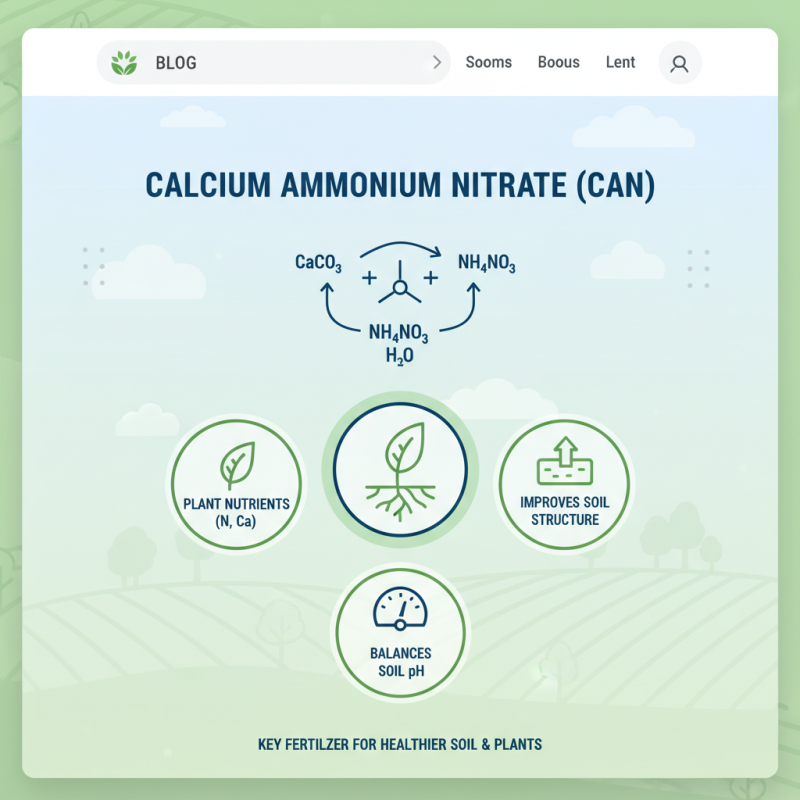
Calcium Ammonium Nitrate (CAN) is a widely used fertilizer in agriculture, renowned for its chemical composition and unique properties. Chemically, it consists of calcium carbonate, ammonium nitrate, and water. This combination not only provides essential nutrients to plants but also enhances soil structure. The presence of calcium helps to counteract soil acidification, promoting a balanced pH level that is crucial for nutrient uptake.
The properties of Calcium Ammonium Nitrate make it an excellent choice for various agricultural applications. It is hygroscopic, meaning it can absorb moisture from the atmosphere, which helps in maintaining the right level of moisture in the soil. Furthermore, CAN offers high solubility, allowing for rapid nutrient availability to crops. This quick-release feature is particularly beneficial during critical growth periods, promoting healthy plant development. With its balanced nutrient profile and favorable properties, Calcium Ammonium Nitrate plays a vital role in supporting sustainable agricultural practices.
Agricultural Applications of Calcium Ammonium Nitrate
Calcium Ammonium Nitrate (CAN) is a valuable nitrogen fertilizer that is increasingly popular in agriculture due to its balanced nutrient composition and effectiveness. Farmers widely use CAN to improve soil fertility and boost crop yields. Its dual-source nutrients—ammonium and nitrate—ensure that plants can readily absorb nitrogen, which is essential for their growth and development. CAN is particularly beneficial for crops such as cereals, corn, and vegetables, as it supports both vegetative growth and fruit development, optimizing overall health and productivity.
When applying Calcium Ammonium Nitrate, timing and method are crucial for maximizing its benefits. Incorporating it into the soil during tillage can enhance its efficiency, while utilizing split applications throughout the growing season helps maintain a steady supply of nutrients. Additionally, monitoring soil pH can guide proper application rates, ensuring that plants receive the necessary nutrients without the risk of nutrient leaching or runoff.
Tips for successful calcium ammonium nitrate application include:
1. Test your soil regularly to determine nutrient needs and pH levels.
2. Follow recommended application rates based on crop type and growth stage for optimal results.
3. Observe weather conditions, as applying CAN before heavy rainfall can lead to nutrient loss. By following these guidelines, farmers can effectively utilize Calcium Ammonium Nitrate to enhance their agricultural practices.
Benefits of Using Calcium Ammonium Nitrate in Crop Production
Calcium Ammonium Nitrate (CAN) is a widely used fertilizer in agriculture, prized for its balanced nutrient profile. One of the primary benefits of using CAN in crop production is its ability to provide both calcium and nitrogen—two essential nutrients that promote robust plant growth. Calcium is crucial for cell wall structure and overall plant integrity, which helps crops withstand environmental stresses. Meanwhile, nitrogen plays a vital role in photosynthesis and overall plant metabolism, fostering healthy foliage and maximizing yield potential.
Another significant advantage of Calcium Ammonium Nitrate is its efficient nitrogen release mechanism. This fertilizer contains both nitrate and ammonium forms of nitrogen, allowing plants to absorb the nutrients quickly and effectively. This dual availability minimizes nutrient loss through leaching, ensuring that crops receive consistent nourishment throughout their growth cycles. Additionally, the use of CAN can improve soil structure and fertility over time, encouraging beneficial microbial activity that enhances long-term agricultural productivity. Thus, incorporating Calcium Ammonium Nitrate into fertilization strategies can lead to higher crop yields and more sustainable farming practices.
Safety and Environmental Considerations in Calcium Ammonium Nitrate Use
Calcium Ammonium Nitrate (CAN) is widely used in agriculture as a nitrogenous fertilizer due to its ability to provide both calcium and nitrogen to crops. However, its usage comes with safety and environmental considerations that must be carefully evaluated. One concern is the potential for nitrate leaching into groundwater, which can lead to pollution and pose health risks to humans and wildlife. According to the U.S. Environmental Protection Agency (EPA), excessive nitrates in drinking water have been linked to serious health issues, including methemoglobinemia, particularly in infants. As such, farmers should adopt practices such as soil testing and controlled application methods to mitigate these risks.
In addition to groundwater concerns, the application of CAN can contribute to greenhouse gas emissions. Research indicates that fertilizers, particularly those high in nitrogen, can lead to increased nitrous oxide emissions, a potent greenhouse gas. It is essential for agricultural practitioners to strike a balance between optimal fertilizer usage and environmental stewardship. Utilizing precision agriculture techniques, such as variable rate application and advanced monitoring, can help minimize negative impacts while ensuring crop productivity.
Tips: Always adhere to local regulations and guidelines when applying fertilizers. Consider incorporating cover crops into your farming practices; they can reduce nutrient runoff and improve soil health. Regularly consulting with agronomists or soil scientists can also help optimize nutrient management strategies while safeguarding the environment.
Calcium Ammonium Nitrate Usage in Agriculture
This bar chart illustrates the nutrient requirements in kilograms per hectare (kg/ha) for various crops using Calcium Ammonium Nitrate in agriculture. Each crop has different nutrient needs that can influence crop yield and soil health.