How to Choose the Right Sodium Nitrate Powder Supplier?
Choosing the right Sodium Nitrate Powder supplier requires more than comparing prices on a product page. Quality, documentation, consistency, and responsible handling all affect purchasing decisions. A reliable supplier should provide a current certificate of analysis, safety data sheet, batch number, purity range, and clear packaging details. These records help buyers verify what arrives in each sealed container.
Practical evaluation also means asking where the material comes from and how it is tested. Look for traceable production records, controlled storage, moisture protection, and a consistent delivery history. Independent laboratory results can strengthen confidence, especially when specifications involve purity, appearance, particle size, or contamination limits. A recognized quality system is useful, but one certificate never proves everything. Details matter.
Ask direct questions. Then check the answers.
Supplier communication is another important indicator. Professional vendors explain specifications clearly, disclose limitations, and respond promptly when a batch issue appears. They should support applicable transport, workplace, and environmental requirements without making unsupported promises. Local regulations may differ, so buyers should confirm requirements with qualified compliance professionals before placing an order. Price still matters, but an unusually low quote may reflect weaker testing, poor packaging, or incomplete documentation. That possibility deserves careful review, not automatic rejection. A balanced supplier assessment combines technical evidence, real purchasing experience, and transparent risk checks. Even experienced buyers can overlook small inconsistencies, such as mismatched lot numbers or vague test dates. Careful verification remains the most dependable safeguard.
Sodium Nitrate Basics: CAS 7631-99-4, Purity Grades, and Key Uses
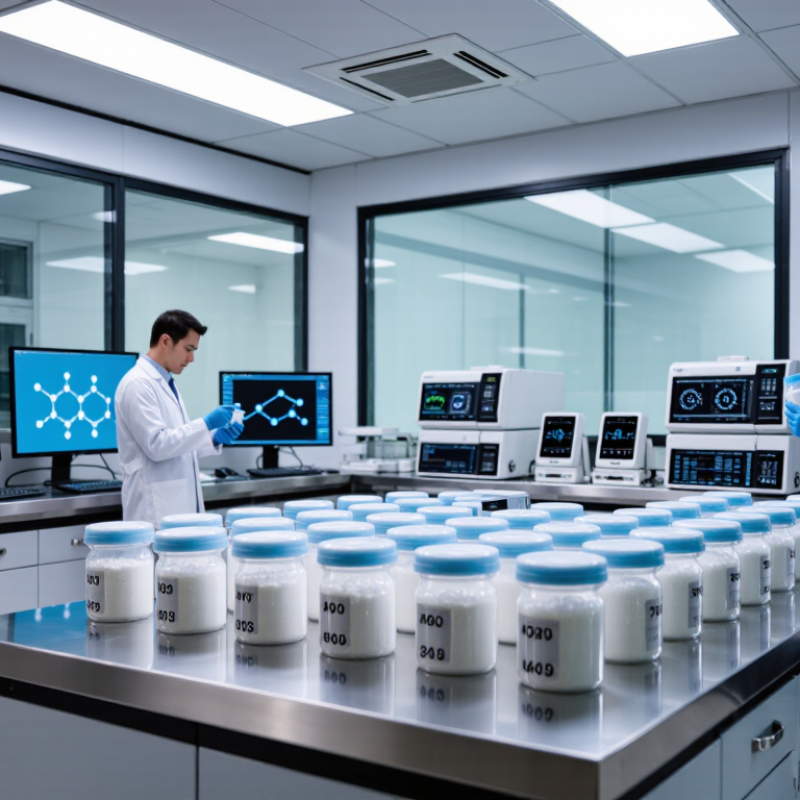
Choosing a sodium nitrate powder supplier requires more than comparing prices. Sodium nitrate, or NaNO3, carries CAS 7631-99-4 and usually appears as a white, crystalline powder. Its performance depends on purity, moisture, particle size, and trace impurities.
Different applications require different grades. Technical grade may suit fertilizers, industrial processing, or selected heat-treatment operations. Reagent grade offers tighter control for laboratory analysis. Food-related uses require compliant material, documented testing, and strict handling controls. Do not assume one grade fits every process.
A reliable supplier should provide a current certificate of analysis for each batch. Check assay, chloride, sulfate, heavy metals, moisture, and insoluble matter. Packaging should protect the powder from contamination and humidity. A clear lot number matters.
Traceability matters most.
Ask for the safety data sheet, specification sheet, production date, and recommended storage conditions. Suppliers with audited quality systems can explain their testing methods, not just quote a purity percentage. Independent laboratory results may also help verify critical batches.
The highest assay is not always the best choice. Particle size can affect dissolution, blending, and production consistency. Delivery capacity matters too, especially when a process depends on repeatable batches. I would still challenge any supplier that offers perfect-looking data without sampling details. Real materials show variation, and honest documentation should acknowledge it. A careful evaluation connects CAS identity, grade requirements, application risks, and long-term supply reliability.
Verify Supplier Quality: NaNO₃ Purity, 15.5% Nitrogen, and Test Reports
How to Choose the Right Sodium Nitrate Powder Supplier?
When evaluating sodium nitrate powder, start with the specification, not the price. NaNO₃ should meet the stated purity consistently across production batches. For agricultural and industrial applications, the nitrogen content should be close to 15.5%. A small difference may affect formulation accuracy, especially in measured blends.
Ask for a recent certificate of analysis linked to the exact batch. The report should identify sodium nitrate purity, nitrogen percentage, moisture, chloride, insoluble matter, and testing methods. A clear lot number matters. Without it, the document may be difficult to verify. An experienced supplier should also explain sampling procedures and storage conditions. Good documentation is not decoration.
Tips: Compare at least two batch reports. Check whether an independent laboratory confirms the supplier’s results. Request a sealed sample before placing a larger order. Inspect the powder for uniform appearance, dry texture, and unusual odors, although appearance alone proves very little. I have seen buyers trust polished paperwork too quickly. That is a mistake worth reconsidering. If the supplier avoids technical questions or provides outdated reports, pause the purchase. Reliable communication often reveals more than a low quotation. Suppliers should also provide safe handling information and comply with applicable local requirements.
How to Choose the Right Sodium Nitrate Powder Supplier?
Verify the supplier’s certificate of analysis against the applicable product specification.
Fertilizer-grade sodium nitrate is commonly declared at 15.5% nitrogen, while the theoretical nitrogen content of pure NaNO₃ is approximately 16.48%.
A 99.0% purity value is shown as a reference benchmark for high-purity material and should be confirmed against the buyer’s required grade.
Assess Production Capacity, ISO 9001 Systems, and Batch Traceability
Choosing the right sodium nitrate powder supplier requires evidence, not polished promises.
Production capacity is more than a monthly number. Request rated capacity, average output, utilization, maintenance downtime, and backup equipment. Compare these figures with the supplier’s recent delivery records. Ask for evidence. Capacity claims can look cleaner than factory reality.
McKinsey’s 2020 global survey reported that 93% of supply-chain leaders had adopted resilience measures. That finding supports checking alternate lines, raw-material planning, and realistic lead times.
ISO 9001 should be examined as a working system.
The ISO Survey 2022 recorded 1,265,216 ISO 9001 certificates worldwide, but certification alone proves little. Request the certificate scope, audit status, corrective-action records, calibration logs, and change-control procedures. Confirm controls for purity, moisture, particle size, chloride, insoluble matter, and packaging condition.
Batch traceability must connect each lot to raw materials, operators, equipment, test results, packaging, and shipment records. Trace it backward. Then test it forward. Ask for a mock recall record and retain-sample policy. Supplier questionnaires can look perfect. Reality appears in the documents.
I would still sample several recent batches, because one audit can miss inconsistent labeling, delayed testing, or weak record discipline.
Compare Pricing Through MOQ, Packaging, Lead Times, and Incoterms
How to Choose the Right Sodium Nitrate Powder Supplier?
Price comparisons often fail when buyers look only at the cost per kilogram. A low quote may require a large MOQ, tying up cash and warehouse space. Compare three quantities: sample order, standard batch, and annual volume. Some suppliers offer better pricing at higher volumes, but the saving may disappear through storage costs. I once compared two offers and missed the pallet fee. That mistake changed the final price.
Packaging also affects the landed cost. Ask whether the powder comes in woven bags, lined bags, or sealed drums. Confirm net weight, pallet configuration, labeling, and moisture protection. Lead times deserve equal attention. A cheaper supplier may need six weeks, while a slightly higher quote can ship in ten days. Request production time, dispatch time, and a realistic delivery window in writing. Review the certificate of analysis and safety data before approving a purchase.
Tips: Compare identical specifications, not just product names. Check MOQ, packaging, lead time, and Incoterms on one spreadsheet. Under EXW, you arrange more transport and export tasks. Under CIF, freight and insurance are included to the named port, but destination charges may remain. Ask who handles customs documents and which costs are excluded. Pricing is still only an estimate until every term is clear. One overlooked charge can undo a careful negotiation.
How to Choose the Right Sodium Nitrate Powder Supplier? - Compare Pricing Through MOQ, Packaging, Lead Times, and Incoterms
Note: The figures above are anonymized indicative market benchmarks for sodium nitrate powder and are intended for supplier screening only. Final pricing depends on purity, order volume, packaging, destination, freight, insurance, documentation, taxes, and current raw-material and logistics conditions. Confirm the specification, safety documentation, packaging suitability, and total landed cost before placing an order.