Leave Your Message

10 Essential Tips for Safe Use of Food-Grade Sodium Nitrite

Food-Grade Sodium Nitrite is a versatile compound commonly used in food preservation and various culinary applications. As a crucial ingredient in curing meats, it not only enhances flavor but also acts as a powerful preservative, inhibiting the growth of harmful bacteria. However, the use of Food-Grade Sodium Nitrite requires careful consideration to ensure safety in food preparation and consumption. Understanding its properties and proper handling techniques is essential for anyone interested in utilizing this compound in their culinary practices.

In this article, we will explore 10 essential tips for the safe use of Food-Grade Sodium Nitrite. These guidelines aim to educate food enthusiasts and professionals alike about the correct usage, potential risks, and best practices associated with this powerful ingredient. By following these tips, you can confidently incorporate Food-Grade Sodium Nitrite into your recipes while maintaining the highest standards of safety and quality. Whether you are curing meats at home or in a professional kitchen, knowing how to handle this compound responsibly is key to achieving delicious results without compromising health.
10 Essential Tips for Safe Use of Food-Grade Sodium Nitrite

Understanding Food-Grade Sodium Nitrite and Its Uses

10 Essential Tips for Safe Use of Food-Grade Sodium Nitrite

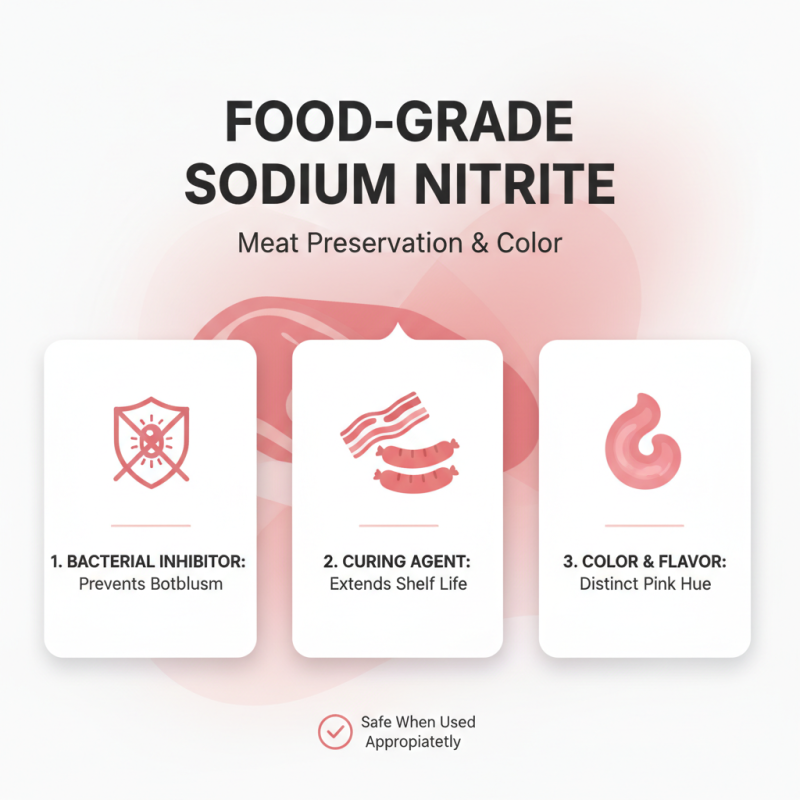
Food-grade sodium nitrite is a versatile compound primarily used in the preservation and color enhancement of meats. Its ability to inhibit bacterial growth, particularly the bacteria that cause botulism, makes it a crucial additive in cured meats like bacon and sausages. When used appropriately, sodium nitrite not only extends the shelf life of food products but also contributes to the distinct flavor and appealing pink color that many consumers expect from these items. Understanding its functions and applications is essential for anyone involved in food preparation or preservation.

However, while sodium nitrite has beneficial applications, it must be handled with care. Consumers should be aware of the proper dosages and methods of use to ensure safety. The compound often works in conjunction with salt and other curing agents, and its effectiveness relies on precise measurements to avoid any potential health risks. Awareness of these guidelines is crucial, especially for home cooks and small-scale food processors who may not have extensive experience. By understanding food-grade sodium nitrite and adhering to best practices, individuals can safely enjoy the benefits this compound has to offer in their culinary endeavors.


Health Risks Associated with Improper Use of Sodium Nitrite

Sodium nitrite, commonly used as a preservative and color fixative in cured meats, poses various health risks when improperly utilized. One significant concern is the potential formation of nitrosamines, which are carcinogenic compounds formed when sodium nitrite reacts with amines and certain cooking methods. These compounds have been linked to an increased risk of cancers, particularly gastrointestinal types. Thus, ensuring that sodium nitrite is correctly measured and applied is crucial in minimizing these risks.

Additionally, excessive consumption of sodium nitrite can lead to other serious health issues, including methemoglobinemia, a condition where the blood's ability to carry oxygen is impaired. Symptoms of this condition can range from fatigue and headache to more severe complications like shortness of breath and even cyanosis in extreme cases. Therefore, it is essential to adhere to recommended guidelines and safety measures when using food-grade sodium nitrite to prevent these adverse health effects and ensure consumer safety.

Essential Guidelines for Measuring Sodium Nitrite Safely

10 Essential Tips for Safe Use of Food-Grade Sodium Nitrite

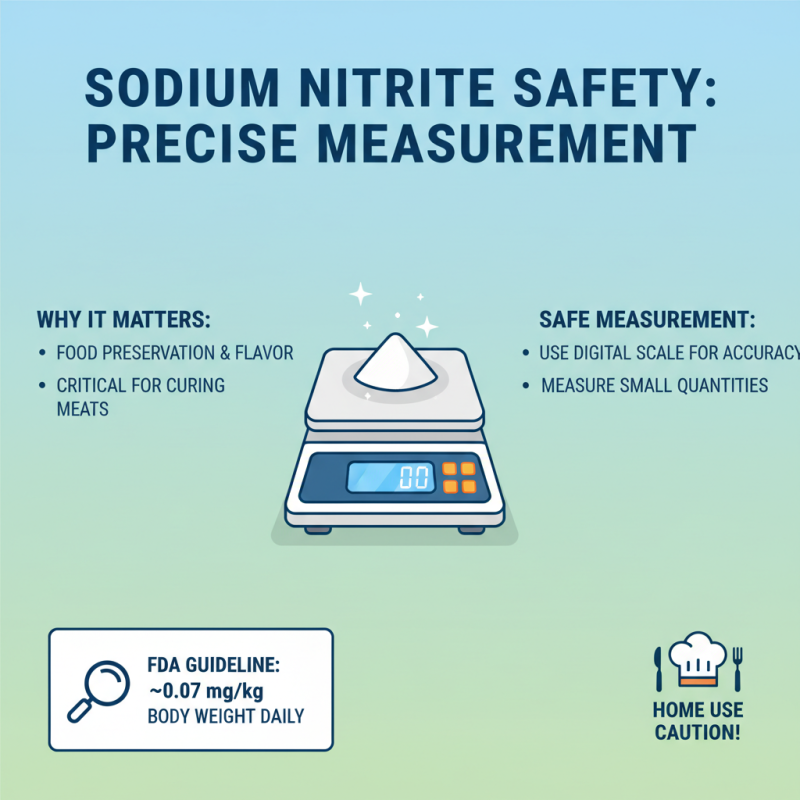
Measuring sodium nitrite safely requires meticulous attention to detail, given its importance in food preservation and flavor enhancement. When using food-grade sodium nitrite, it is critical to use precise measuring tools. A digital scale calibrated to measure small quantities accurately can significantly reduce the risk of overuse or underuse. According to the U.S. Food and Drug Administration (FDA), the tolerable daily intake of sodium nitrite is approximately 0.07 mg/kg of body weight, emphasizing the importance of accurate measurement in home applications.

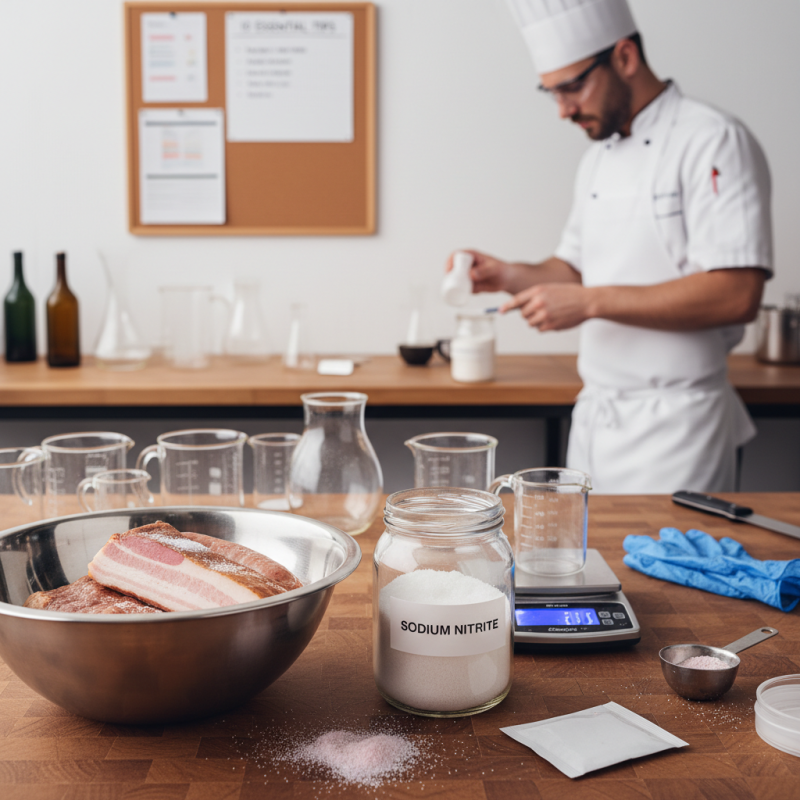
In addition to using precise measuring tools, keeping sodium nitrite in a dedicated, labeled container helps prevent accidental misuse. The American Institute of Baking (AIB) stresses that clarity in labeling is essential for maintaining food safety, especially in settings with multiple ingredients. Furthermore, always wearing gloves and using protective eyewear when handling sodium nitrite is advisable to prevent any direct contact with the skin or eyes, as recommended by the Centers for Disease Control and Prevention (CDC). Adhering to these guidelines ensures safe handling and reinforces the importance of measuring sodium nitrite responsibly in culinary practices.

Safe Storage Practices for Food-Grade Sodium Nitrite

When it comes to the safe storage of food-grade sodium nitrite, proper techniques are essential to ensure its efficacy and safety. Begin by storing sodium nitrite in a cool, dry place away from direct sunlight. Exposure to heat and moisture can degrade the compound, reducing its effectiveness in food preservation. A dedicated storage container that is both airtight and labeled clearly will further protect the substance from contaminants and accidental misuse.

Additionally, it is crucial to keep food-grade sodium nitrite out of reach of children and pets. This can be achieved by securing the container in a locked cabinet or a high shelf. Regularly check the storage area for any signs of leaks or spills, as these can pose health risks. If you notice any changes in the appearance or odor of the sodium nitrite, it is best to dispose of it safely. Following these practices will help maintain the integrity of the sodium nitrite and ensure it is safely stored for culinary uses.

Best Practices for Cooking with Sodium Nitrite in Food Preparations

Cooking with food-grade sodium nitrite can enhance flavors and improve preservation, especially in cured meats. However, it’s crucial to understand its safe use in food preparations. Here are some best practices to ensure a safe and enjoyable cooking experience.

One essential tip is to measure sodium nitrite accurately. Using too much can lead to adverse effects. A typical safe amount is around 0.25 to 0.5 percent of the total meat weight. This careful measuring not only maintains safety but also ensures that you achieve the desired flavor and preservation qualities.

Additionally, it's important to mix sodium nitrite thoroughly with other curing ingredients. This ensures an even distribution throughout the meat, preventing any areas from having excessively high concentrations. Incorporating ingredients like sugar and salt can enhance flavor and balance the effects of sodium nitrite. Lastly, always store sodium nitrite in a cool, dark place, away from moisture and direct sunlight, to maintain its efficacy and safety for future use.

10 Essential Tips for Safe Use of Food-Grade Sodium Nitrite

Tip No. Tip Description Recommended Usage Safety Precautions
1 Always use food-grade sodium nitrite. For curing meats and preserving food. Avoid industrial-grade sodium nitrite.
2 Measure carefully using precise scales. Follow the recommended amounts in recipes. Overuse can lead to toxicity.
3 Store in a cool, dry place away from light. Maintain optimal conditions to prolong shelf life. Heat and moisture can degrade the product.
4 Use alongside proper curing salts. Enhances flavor and ensures food safety. Do not use alone without guidance.
5 Be aware of the color change in cured meat. Look for consistent pink coloring as an indicator. Ensure proper processing to avoid spoilage.
6 Avoid excessive heat while cooking. Use moderate cooking temperatures to retain safety. High temperatures can produce harmful compounds.
7 Combine with antioxidants for better results. Add ascorbic acid to reduce nitrosamine formation. Prevents harmful reactions during cooking.
8 Educate yourself on safe handling practices. Stay informed about the risks and best practices. Knowledge is key to safe usage.
9 Always wash hands and surfaces after use. Prevent cross-contamination in your kitchen. Avoid mixing with raw food items.
10 Note the expiration date on packaging. Use within the recommended time for quality. Discard any expired product immediately.