What You Need to Know About Food-Grade Sodium Nitrite?
Food-Grade Sodium Nitrite is an important compound in the food industry, recognized for its role in preserving meats and enhancing flavors. Dr. Jane Thompson, a food safety expert, states, "Understanding Food-Grade Sodium Nitrite is crucial for both producers and consumers." This underscores its significance in our diets and its use in processing.
Used primarily in cured meats, Food-Grade Sodium Nitrite combats bacterial growth. It also contributes to the distinctive pink color we associate with products like ham and bacon. However, the use of sodium nitrite raises questions. Are we fully aware of its effects on our health?
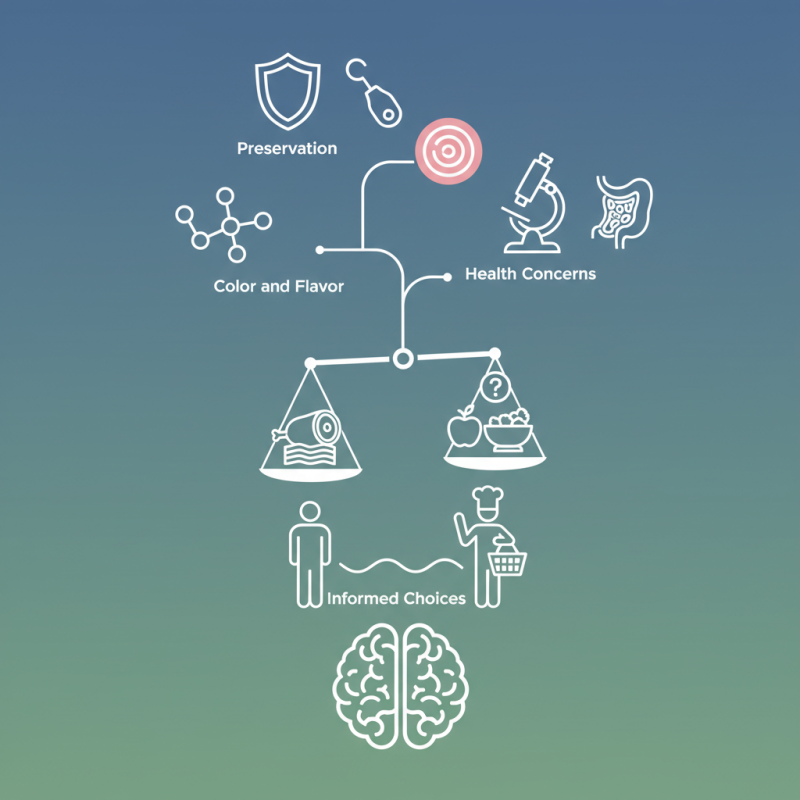
While it is safe in regulated amounts, there are lingering concerns about potential risks. This invites us to rethink our food choices and consider what goes into our meals. Grasping the balance between preservation and health is vital. Further knowledge of Food-Grade Sodium Nitrite empowers better decisions for both chefs and consumers.
Understanding Food-Grade Sodium Nitrite: Definition and Uses
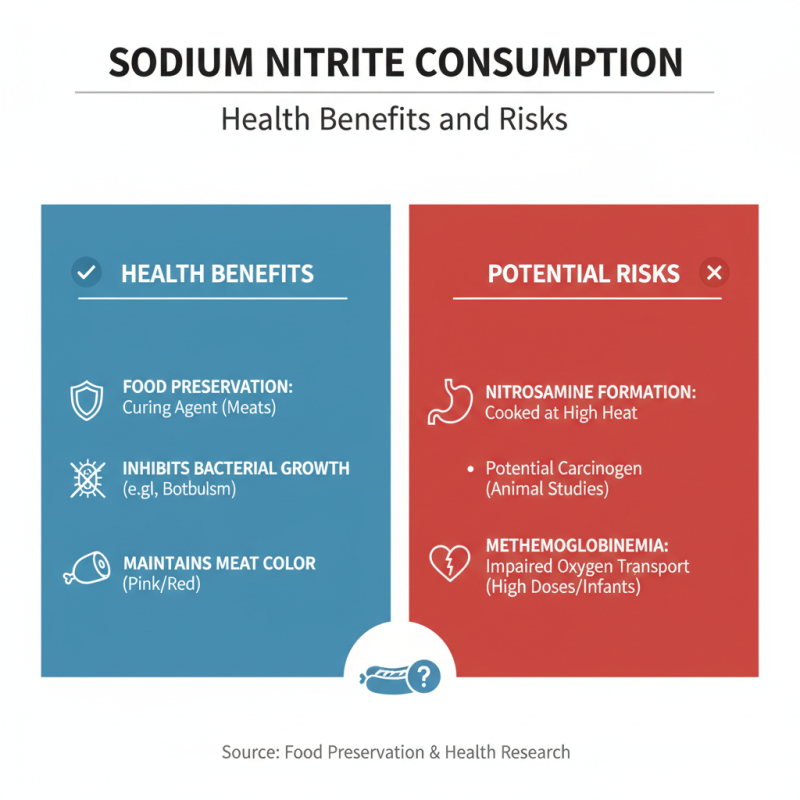
Food-grade sodium nitrite is an important compound used primarily in meat preservation. It serves to inhibit the growth of harmful bacteria, particularly Clostridium botulinum. When sodium nitrite is added to cured meats like bacon and ham, it enhances flavor and preserves the meat's attractive pink color. Its role in food safety cannot be overstated, yet its use raises necessary discussions on health and regulations.
While food-grade sodium nitrite is deemed safe in regulated amounts, excessive consumption may lead to health concerns. Consumer awareness is essential. Research suggests that sodium nitrite can form potentially harmful compounds known as nitrosamines when exposed to high heat. Understanding safe usage levels is vital for both manufacturers and consumers. Incorporating sodium nitrite responsibly in food products requires continuous evaluation of its effects on health and nutrition.
This compound's dual nature as both a preservative and a potential health risk invites further investigation. Engaging with scientific research is crucial to understand its benefits and challenges. Conversations around food safety practices should include dialogue on the implications of sodium nitrite use in our diets. Despite the benefits, the complexities around its safety necessitate ongoing scrutiny in the food industry.
The Chemical Properties of Sodium Nitrite and Their Food Applications
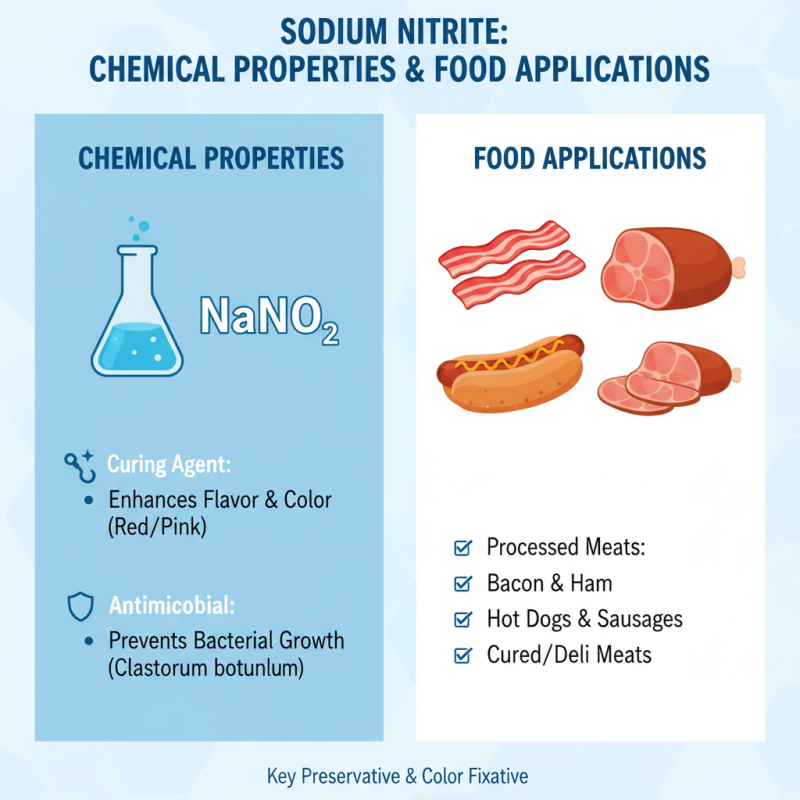
Sodium nitrite is a compound with unique chemical properties. It acts as a curing agent for meats, enhancing flavor and preserving color. In food applications, sodium nitrite helps prevent bacterial growth, especially the harmful Clostridium botulinum. This makes it essential in processed meats, like bacon and hot dogs.
However, it’s important to be cautious. Excessive sodium nitrite can form harmful nitrosamines when cooked at high temperatures. This raises questions about its safety. Monitoring intake and understanding its role in foods is crucial for health.
**Tip:** Always check the labels on processed meats. Understanding what you eat can help you make informed choices.
Moreover, the balance between preservation and health risks is delicate. While sodium nitrite enhances shelf life, its long-term effects need more research. Stay informed and consider natural alternatives when possible.
**Tip:** Explore cooking methods that reduce nitrosamine formation, such as lower cooking temperatures. Making small changes can lead to healthier meals.
Safety Guidelines for Using Food-Grade Sodium Nitrite in Curing
Food-grade sodium nitrite is commonly used in the curing process for meats. While it enhances flavor and color, it requires careful handling. This compound can be toxic in high amounts, so following safety guidelines is crucial. Always use it in the proper concentration, typically around 0.5% to 2% of the meat weight, depending on your recipe and curing method.
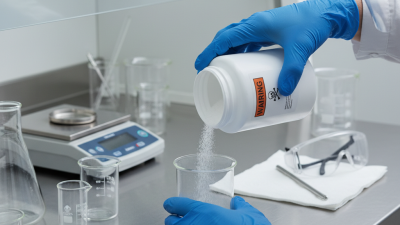
Tips: Always wear gloves when handling sodium nitrite. Avoid inhaling the powder. Proper storage is key; keep it in a cool, dry place away from sunlight. Cross-contamination is a risk, so use separate utensils.
When preparing cured meats, sanitation plays an essential role. Make sure all equipment is clean and sanitized. Contamination can spoil your product and compromise safety. Regularly check stored meat for any signs of spoilage, as sodium nitrite does not prevent all forms of bacterial growth. Pay attention to how you mix and apply the sodium nitrite. Never take shortcuts here; the results can be unpredictable and dangerous.
Food-Grade Sodium Nitrite Usage and Safety Guidelines
This chart illustrates the levels of food-grade sodium nitrite according to various health guidelines. The daily intake is considered safe for consumption, while the maximum recommended level represents the highest daily amount suggested for safety. The tolerable upper limit indicates the threshold beyond which health risks may increase.
Health Benefits and Risks Associated with Sodium Nitrite Consumption
Sodium nitrite is often used in food preservation. It acts as a curing agent, particularly in meats. While it helps inhibit bacterial growth and maintain color, there are important health considerations.
One significant risk is its potential link to cancer. According to the International Agency for Research on Cancer, sodium nitrite can form carcinogenic compounds called nitrosamines when exposed to high temperatures. A 2020 study from the American Journal of Clinical Nutrition noted that high consumption of processed meats was associated with increased cancer risk. It’s crucial to be aware of how much sodium nitrite you’re consuming.
Tips: Opt for organic meats when possible. They often contain fewer preservatives, including sodium nitrite. Also, balance your diet with plenty of fruits and vegetables rich in antioxidants. They may help reduce the negative effects linked to nitrosamines.
Though sodium nitrite serves a functional purpose in food, moderation is key. Regular consumption may lead to health complications over time. Awareness of your intake can help you make informed dietary choices. Always read labels to understand what you're consuming.
Regulatory Standards and Labeling Requirements for Sodium Nitrite
Sodium nitrite is a common food preservative with regulatory standards in many countries. It helps enhance the color and flavor of meats. However, it is essential to understand its labeling requirements. Labels must clearly state the presence of sodium nitrite. This transparency aims to inform consumers about what they are eating.
In the United States, the FDA regulates sodium nitrite as a food additive. It has established acceptable levels for its use in various food products. These standards ensure that the levels of sodium nitrite in food are safe for consumption. Food manufacturers must comply with these regulations. Failure to do so may lead to serious health concerns.
Consumers should also be aware of the potential risks associated with sodium nitrite. Though used safely in small amounts, there are debates around its long-term effects. It is vital to approach the consumption of preserved foods with caution. Reading labels and understanding what’s in our food can foster healthier choices. Balancing enjoyment and health is key in today’s food landscape.
What You Need to Know About Food-Grade Sodium Nitrite
| Aspect |
Details |
| Chemical Formula |
NaNO2 |
| CAS Number |
7632-00-0 |
| Regulatory Body |
FDA |
| Uses |
Food preservation, curing agent in meat products |
| Maximum Allowable Concentration |
200 ppm in cured meats |
| Labeling Requirements |
Must declare as "sodium nitrite" on ingredient list |
| Health Risks |
Potential risk of methemoglobinemia; should be used in moderation |
| Storage Conditions |
Store in a cool, dry place away from light |