Why is Calcium Nitrate Granule Important for Plants?
Calcium Nitrate Granule plays a vital role in plant growth and health. It provides essential nutrients, particularly calcium and nitrogen, two crucial elements for plant development. According to industry reports, calcium is critical for cell wall structure and function. It helps plants resist diseases and promotes stronger roots.
Moreover, nitrogen is a key component of amino acids and proteins. A study by the American Society of Agronomy indicates that nitrogen deficiency can lead to stunted growth and yield reduction. This highlights the importance of Calcium Nitrate Granule as it delivers both nutrients effectively.
However, it is necessary to reflect on its application. Overuse can potentially harm plants and soil health. Striking a balance is important for maximizing benefits. Understanding how to correctly use Calcium Nitrate Granule can prevent nutrient imbalances in soil. This ensures that crops flourish while maintaining environmental integrity.

What is Calcium Nitrate Granule and Its Composition?
Calcium nitrate granule is a vital resource for plant growth. It consists mainly of calcium, nitrogen, and oxygen. This combination is essential for strong root development and overall plant health. Calcium supports cell wall structure, while nitrogen is crucial for protein synthesis. This formulation helps plants absorb vital nutrients more effectively.
Plants often struggle without adequate calcium. Symptoms include stunted growth and poor root systems. In some cases, plants may even display signs of tip burn or blossom end rot. Global farming practices recognize the importance of calcium nitrate granule in preventing these issues. Additionally, this granule provides a quick source of nitrogen, promoting lush foliage and vibrant blooms.
Using calcium nitrate granule is not without challenges. Over-application can lead to nutrient imbalances. This can affect the delicate ecosystem of the soil. Monitoring soil conditions is essential when applying this fertilizer. Knowing when and how much to use is vital for optimal results. Each garden or field may require a different approach, requiring careful reflection and adjustment.
The Role of Calcium in Plant Growth and Development
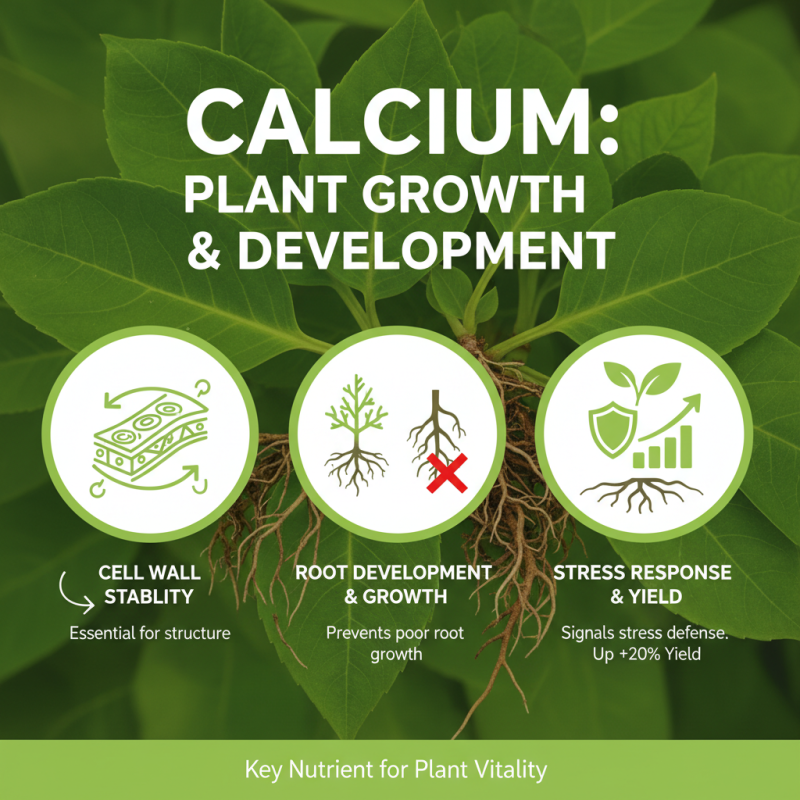
Calcium plays a vital role in plant growth and development. It is essential for cell wall structure and stability. Studies show that calcium deficiency can lead to poor root development and stunted growth. This nutrient acts as a signaling molecule, helping plants respond to environmental stress. Research indicates that optimal calcium levels can increase yield by up to 20%.
Moreover, calcium contributes to nutrient uptake. It improves the absorption of other essential elements, such as potassium and magnesium. This interaction enhances overall plant health. Some reports reveal that calcium can reduce incidences of blossom-end rot in tomatoes. Such physiological disorders often occur due to nutrient imbalances.
The necessity of calcium cannot be overlooked. Soil conditions often result in calcium deficiencies. Farmers must regularly test soil to ensure adequate calcium levels. It's a straightforward task but often neglected. Many assume that a blanket approach meets plant needs, which is not accurate. The specific needs of each crop must be considered. Proper calcium management can lead to healthier, more productive plants.
The Importance of Nitrate for Plant Nutrition
Nitrate plays a crucial role in plant nutrition. It acts as a primary nitrogen source, essential for growth. Plants use nitrate to build amino acids, proteins, and nucleic acids. These components are vital for cellular functions. Without sufficient nitrate, plants may exhibit stunted growth or chlorosis. The yellowing of leaves often signals a nutrient deficiency.
Calcium nitrate granules are particularly effective. They provide both calcium and nitrate. This dual benefit supports root development and strengthens cell walls. Healthy plants are better equipped to resist diseases. However, not all soils retain nitrate well. Over time, leaching can occur. Farmers must monitor soil health closely.
Using calcium nitrate granules can be an effective strategy. Yet, applying too much can lead to problems. Imbalance in nutrients may occur. This emphasizes the importance of precise measurements. Finding the right amount is key to plant health. Not all plants require the same nitrate levels. Understanding these nuances can lead to more robust growth.
Benefits of Calcium Nitrate Granules for Soil Health
Calcium nitrate granules are significant for enhancing soil health. They provide essential calcium and nitrogen simultaneously. Research indicates that soils deficient in these nutrients can lead to poor plant growth. In fact, studies show that calcium nitrate can increase crop yields by up to 20%. This is crucial for sustainable agriculture.
When applied to soil, these granules improve structure. They help create a better habitat for beneficial microbes. Healthy microbes are vital for nutrient cycling. However, over-reliance on any single nutrient source can harm soil biodiversity. Farmers must be cautious and integrate diverse amendments.
Calcium’s role in pH regulation is remarkable. It can neutralize acidity in the soil. This is especially important for crops sensitive to pH levels. Soil tests frequently reveal that many regions suffer from imbalanced pH. Addressing this with calcium nitrate can improve conditions. Observing the soil’s response over time is essential. Each farm has unique needs, and constant evaluation is key.
Application Methods and Best Practices for Calcium Nitrate Granules
Calcium nitrate granules play a vital role in plant health. These granules supply essential calcium and nitrogen, two nutrients crucial for growth. Applying them correctly ensures plants receive maximum benefits.
One effective method is broadcasting. Spread the granules evenly over the soil surface. This allows for a quick absorption by plant roots. Watering the area after application helps dissolve the granules. It’s essential to avoid over-application. Too much can lead to nutrient imbalances. Monitor the soil's pH to maintain optimal conditions.
Another method is through fertigation. This involves dissolving the granules in water and applying them through irrigation systems. This can be very efficient, especially for large areas. However, it requires careful calibration. Improper mixing can cause issues. Check the concentration regularly to prevent stress on your plants. These practices highlight the importance of being attentive and flexible in your approach.
Calcium Nitrate Granule Importance for Plants
Calcium nitrate granules are essential for plant growth, enhancing growth rate, yield, nutrient uptake, and disease resistance. The chart above illustrates the positive effects of calcium nitrate granules on various growth parameters of plants.