What is Potassium Nitrate Powder and Its Global Uses?
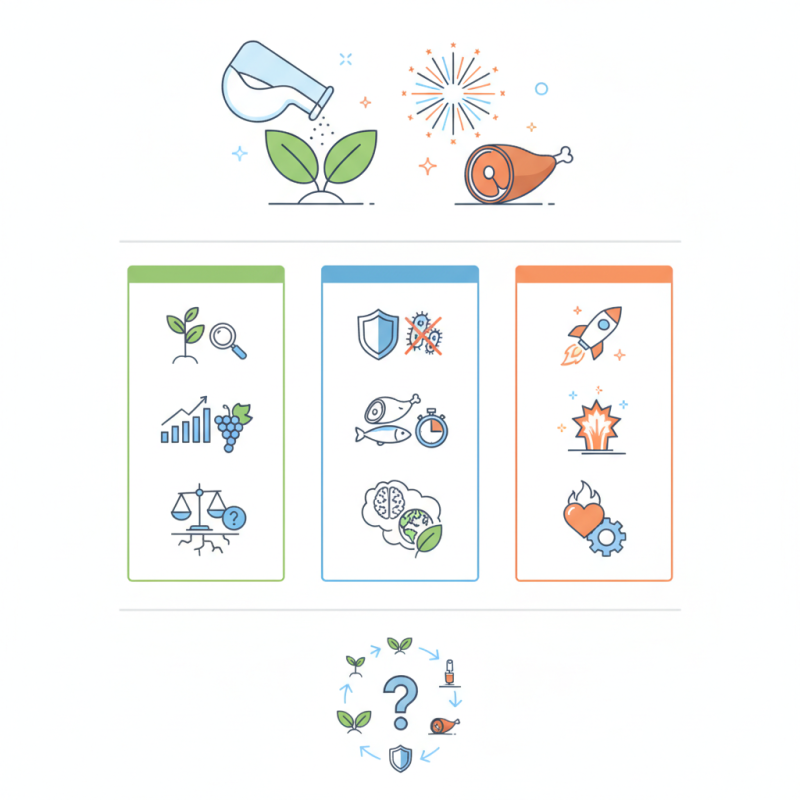
Potassium Nitrate Powder, a chemical compound often found in nature, offers various industrial and agricultural applications. This essential ingredient is widely used in fertilizers, food preservation, and even fireworks. Its effectiveness lies in its ability to provide essential nutrients for plant growth, particularly nitrogen and potassium.
In the agricultural sector, Potassium Nitrate Powder plays a crucial role. Farmers rely on it to enhance crop yields and improve fruit quality. However, its use is not without challenges. Over-reliance can lead to nutrient imbalance in the soil.
Additionally, Potassium Nitrate Powder is important in food preservation. It helps inhibit the growth of harmful bacteria, ensuring food safety. Nevertheless, the debate continues regarding its long-term effects on health and the environment. This highlights the need for careful consideration in its applications.
What is Potassium Nitrate Powder?
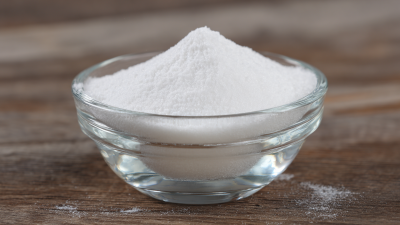
Potassium nitrate powder, also known as saltpeter, is a widely utilized chemical compound. Its formula is KNO3, which consists of potassium, nitrogen, and oxygen. This white crystalline solid has a variety of applications, making it significant in both agriculture and industry. According to industry reports, the global potassium nitrate market is expected to witness steady growth, projecting a compound annual growth rate (CAGR) of about 3.5% from 2021 to 2026.
In agriculture, potassium nitrate serves as an essential fertilizer. It provides vital nutrients for plant growth, promoting healthy development and high yields. Farmers appreciate its dual function as a source of potassium and nitrogen, which are critical for crop productivity. Furthermore, potassium nitrate's solubility in water allows for easy application. However, excessive use can lead to soil degradation and water pollution, making careful management crucial.
Beyond agriculture, potassium nitrate is used in food preservation and fireworks production. Its role as a food additive helps prevent bacterial growth in cured meats. The fireworks industry values its properties for creating vibrant colors and controlling combustion rates. Despite its benefits, challenges exist, such as the environmental impact of mining processes to produce potassium nitrate. As global demand increases, sustainable practices must be considered to mitigate these effects.
Chemical Composition and Properties of Potassium Nitrate
Potassium nitrate, known for its chemical formula KNO3, is a versatile compound. It appears as a white crystalline solid. This salt is highly soluble in water. Its chemical properties make it an important resource in various industries.
One key feature of potassium nitrate is its ability to act as an oxidizing agent. This characteristic is essential in agriculture as it provides vital nutrients to plants. The compound contains both potassium and nitrate, which are crucial for plant growth. Farmers often utilize it as a fertilizer to improve crop yields.
Tips: Always test soil before application. Overuse can lead to nutrient imbalances.
In addition to agriculture, potassium nitrate sees use in the food industry. It acts as a preservative, enhancing shelf life. The compound can also facilitate certain food processing methods. However, it's important to handle it with care, as improper usage may lead to food safety concerns.
Tips: Ensure you follow safety guidelines during use. Check local regulations on food additives.
Global Production and Market Demand for Potassium Nitrate
Potassium nitrate, a key chemical compound, plays a crucial role in various industries globally. Its production has seen growth over the past decade, largely driven by the agricultural sector’s demand for fertilizers. According to a recent market analysis, the potassium nitrate market reached approximately 4.5 million metric tons in 2022, with an ongoing annual growth rate of around 4.6%. This trend emphasizes how vital potassium nitrate is for crop development and soil health.
In the fertilizer industry, potassium nitrate enhances crop yields by supplying both potassium and nitrogen. In regions like North America and Latin America, its use is predominant. It is critical for growing high-value crops such as fruits and vegetables. However, challenges such as fluctuating raw material prices and environmental regulations hinder market growth. Reports indicate that global demand may reach 5.9 million metric tons by 2030, reflecting its significance and growing reliance on sustainable agricultural practices.
Concerns about environmental impact also loom. While potassium nitrate supports agriculture, improper use can lead to soil and water contamination. Awareness of sustainable practices is necessary for future developments. The balance between yield and environmental health remains a challenge for stakeholders. Overall, potassium nitrate is a vital component in the agricultural field, but its usage requires careful management to prevent ecological harm.
Applications of Potassium Nitrate in Agriculture and Horticulture
Potassium nitrate, often recognized for its significant role in agriculture, serves as a vital nutrient source. It contains approximately 44% nitrate, which plants readily absorb for growth. This compound enhances crop yield, aiding farmers in maximizing production. According to a report by the Food and Agriculture Organization, the use of potassium nitrate in crop production can increase yield by up to 20%.
In horticulture, potassium nitrate promotes flowering and fruiting. It helps sustain plant health throughout their growth stages. Furthermore, it can improve drought resistance in certain crops. The versatility of this compound allows it to be applied in various settings, from traditional farming to modern greenhouses. However, excessive use can lead to nutrient runoff, impacting water systems.
Tip: Apply potassium nitrate carefully. Conduct soil tests to determine its necessity. Over-application could harm both plants and the environment. Be mindful of your local regulations regarding fertilizer usage to ensure sustainable practices. Understanding the balance of nutrient application is key to achieving optimal results without negative consequences.
Global Applications of Potassium Nitrate in Agriculture and Horticulture
This chart illustrates the primary applications of potassium nitrate in agriculture and horticulture across different regions globally. The data reflects the percentage distribution of its uses in various fields.
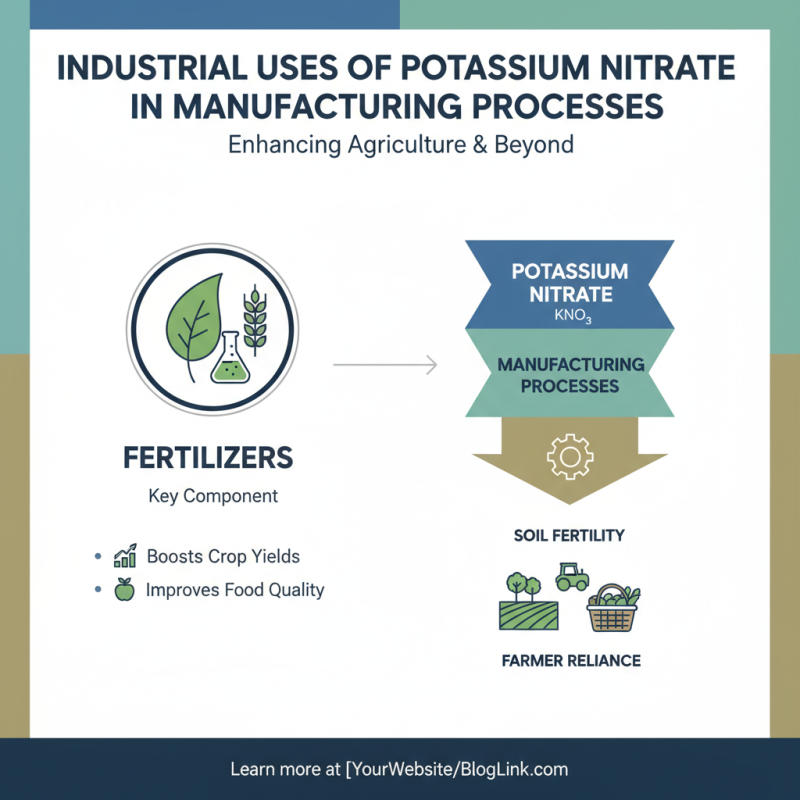
Industrial Uses of Potassium Nitrate in Manufacturing Processes
Potassium nitrate, a versatile compound, plays a significant role in various industrial applications. In manufacturing, it serves as a crucial component in fertilizers. Farmers rely on potassium nitrate to enhance soil fertility. This boosts crop yields and improves food quality.
Additionally, potassium nitrate is utilized in the production of glass and ceramics. Its presence aids in controlling melting temperatures, which is vital for producing high-quality glass products. This compound also finds use in fireworks manufacturing. The oxidizing properties of potassium nitrate contribute to the vibrant colors and effects in pyrotechnics.
However, reliance on this chemical can lead to environmental concerns. Excessive use in agriculture can result in nitrate leaching into water supplies. This raises questions about sustainability and responsible usage. Maintaining a balance between industrial benefits and ecological impact is essential for future practices.