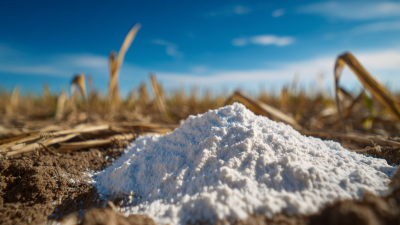
How to Safely Handle and Use White Fuming Nitric Acid in Your Lab
White Fuming Nitric Acid (WFNA) is a highly concentrated and corrosive form of nitric acid that poses significant hazards in laboratory settings. Recognized for its strong oxidizing properties, WFNA is commonly used in various applications, including the production of fertilizers, the synthesis of explosives, and in certain analytical procedures. According to the American Chemical Society, incidents involving hazardous materials like WFNA are often attributed to improper handling and lack of appropriate safety measures, underscoring the importance of rigorous protocols and training when working with such substances.
The National Institute for Occupational Safety and Health (NIOSH) has reported that the inhalation of WFNA vapors can result in severe respiratory issues and skin contact can cause serious burns. Moreover, studies indicate that incidents related to chemical exposures are more prevalent in laboratories that lack comprehensive safety training and adequate emergency response measures. Therefore, understanding the risks associated with White Fuming Nitric Acid and implementing best practices for its safe handling and storage is essential for ensuring laboratory safety and minimizing potential accidents.
In light of these concerns, it is imperative for laboratory personnel to receive thorough training on the properties, risks, and safe handling procedures related to WFNA. This introduction sets the stage for discussing effective protocols to mitigate risks associated with this potent chemical, emphasizing the critical need for safety-first approaches in environments where White Fuming Nitric Acid is utilized.
Importance of White Fuming Nitric Acid in Chemical Research and Industry Applications
White fuming nitric acid (WFNA) plays a significant role in chemical research and various industrial applications due to its unique properties and reactivity. This highly concentrated form of nitric acid is renowned for its ability to nitrate organic compounds at elevated rates, thus serving as an essential reagent in the manufacture of explosives, fertilizers, and pharmaceuticals. The nitration process enables researchers and industries to synthesize complex molecules and fine chemicals, contributing to advancements in multiple sectors, including agriculture and healthcare.
The significance of WFNA is further highlighted by its use in hypergolic ignition systems, particularly when reacting with protic solvents like methanol, ethanol, and n-propanol. The study of hypergolic ignition behaviors, such as those observed with 1-allyl-3-methylimidazolium dicyanamide (AMImDCA), underscores the explosive potential and energy release associated with these reactions. This understanding not only aids in the development of safer handling protocols but also enhances the strategic application of WFNA in propellant formulations and other energetic materials within the burgeoning nitric acid market, expected to reach USD 41.68 billion by 2033.
Hazards and Risks Associated with White Fuming Nitric Acid Exposure in Laboratory Settings
White fuming nitric acid (WFNA) is a highly corrosive and toxic substance commonly used in laboratories for various chemical reactions and processes. Its inhalation or skin contact poses significant health risks, including severe respiratory issues, burns, and potential long-term damage to internal organs. Laboratories must be equipped with appropriate safety measures, including fume hoods and personal protective equipment (PPE), to mitigate the dangers associated with WFNA exposure.
Moreover, exposure to WFNA can lead to environmental hazards if not managed properly. The acid can produce nitrogen oxides upon decomposition, contributing to air pollution and acid rain. Therefore, it is critical that laboratories establish strict protocols for the handling, storage, and disposal of this hazardous material. Regular training sessions for laboratory personnel on the risks and safety protocols surrounding the use of WFNA can significantly reduce the likelihood of accidents and ensure a safer working environment.
Hazards and Risks Associated with White Fuming Nitric Acid Exposure
Essential Personal Protective Equipment (PPE) for Safe Handling of White Fuming Nitric Acid
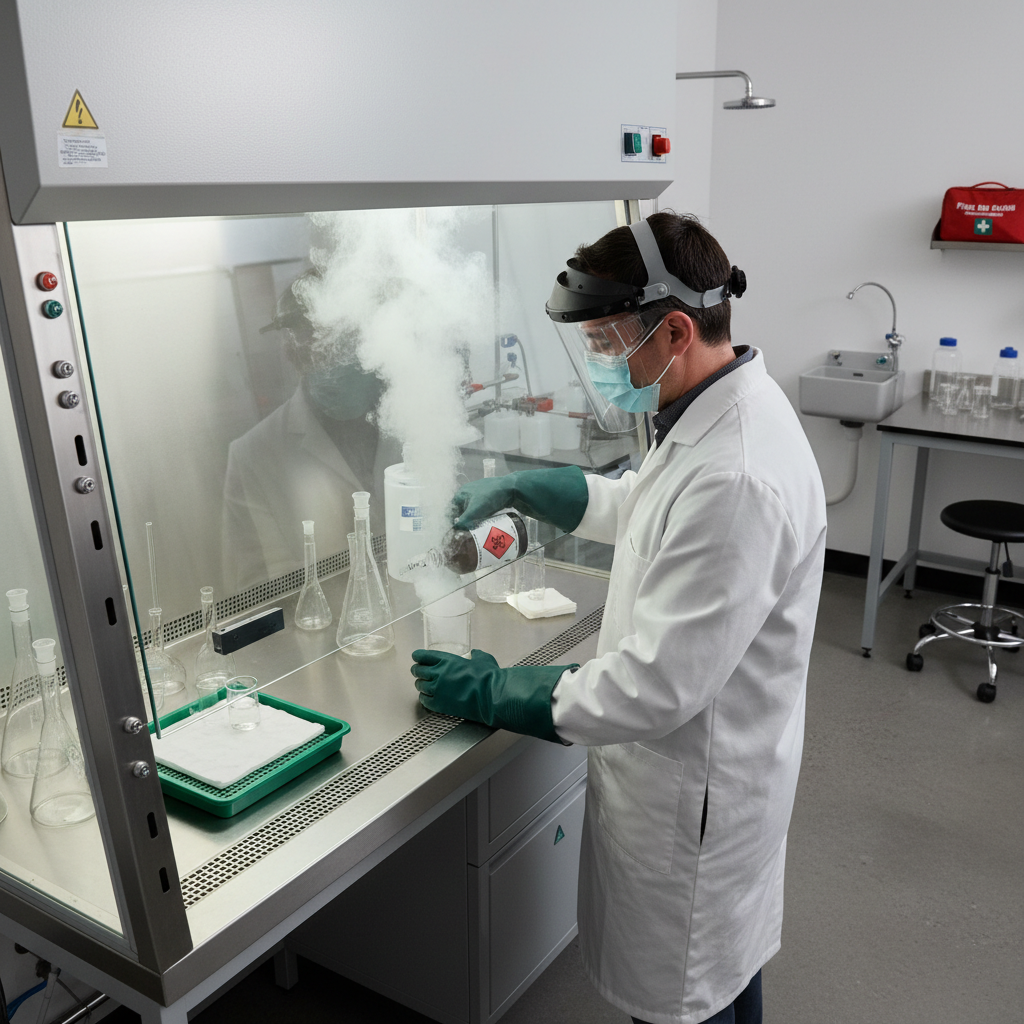
When handling white fuming nitric acid (WFNA), personal protective equipment (PPE) is essential for ensuring safety in the laboratory. First and foremost, gloves made from appropriate materials, such as neoprene or nitrile, should be worn to protect the hands from this highly corrosive substance. Sleeves should be long enough to cover any exposed skin, and it is advisable to use double gloves for added protection. Safety goggles or face shields are crucial to safeguard the eyes from splashes or fumes. A lab coat made from acid-resistant material should be worn as well, ensuring it is buttoned up and fits properly to provide comprehensive coverage.
In addition to gloves and eye protection, respiratory protection is vital when working with WFNA. A properly fitted respirator with acid gas cartridges can help protect against inhalation of hazardous vapors. It is equally important to ensure that the laboratory is well-ventilated or equipped with a fume hood to minimize exposure to fumes. Lastly, safety footwear, such as closed-toe shoes with chemical resistance, should be worn at all times. By ensuring the proper PPE is in use, lab personnel can significantly reduce the risk of injury when handling white fuming nitric acid.
How to Safely Handle and Use White Fuming Nitric Acid in Your Lab - Essential Personal Protective Equipment (PPE) for Safe Handling of White Fuming Nitric Acid
| Personal Protective Equipment (PPE) |
Description |
Importance |
| Safety Goggles |
Protects eyes from chemical splashes. |
Prevents eye injuries and irritation. |
| Face Shield |
Provides additional protection to the face. |
Reduces risk of facial burns from splashes. |
| Lab Coat |
Protective clothing to shield skin and personal attire. |
Minimizes skin contact with hazardous substances. |
| Nitrile Gloves |
Durable gloves resistant to chemical penetration. |
Protects hands from exposure to corrosive agents. |
| Ventilated Fume Hood |
Enclosure that provides ventilation while handling chemicals. |
Protects against inhalation of toxic vapors. |
Best Practices for Storage and Disposal of White Fuming Nitric Acid in Laboratory Environments
When handling white fuming nitric acid (WFNA), proper storage and disposal are critical to maintaining a safe laboratory environment. WFNA should be stored in corrosive-resistant containers, such as those made of glass or high-density polyethylene. It is vital to ensure that the storage area is well-ventilated and away from incompatible substances, particularly organic materials and reducing agents. Additionally, storage containers should be clearly labeled and include safety data sheets to inform all lab personnel of the hazards associated with the chemical.
Disposal of WFNA must be conducted according to local regulations and institutional guidelines. Neutralization is often the preferred method for disposal; this can be achieved by carefully adding it to a solution of sodium bicarbonate or sodium carbonate under controlled conditions, ensuring adequate ventilation and protective equipment are worn throughout the process. Any residual waste should be collected in appropriately labeled waste containers and disposed of through hazardous waste management services. Following these best practices can significantly minimize risks associated with using white fuming nitric acid in laboratory settings.
Emergency Protocols for Spills and Accidental Exposure to White Fuming Nitric Acid
When working with white fuming nitric acid (WFNA), it's crucial to prioritize safety protocols to manage the risks associated with spills and accidental exposure. In case of a spill, it is essential to contain the area immediately using absorbent materials designed for acid neutralization. According to the National Institute for Occupational Safety and Health (NIOSH), using materials like sodium bicarbonate can effectively mitigate the acidity and help reduce potential harm. Always keep appropriate neutralizing agents in close proximity to areas where WFNA is utilized, ensuring quick access in emergencies.
For accidental exposure, the guidelines set forth by the American Chemical Society recommend immediate action based on the exposure's severity. In the case of skin contact, affected areas should be flushed with copious amounts of water for at least 15 minutes, followed by seeking medical attention. If inhalation occurs, move the individual to fresh air and monitor for respiratory distress. Data from the Occupational Safety and Health Administration (OSHA) highlights that fatalities can result from improper handling or delayed response to exposure, emphasizing the necessity of training lab personnel on emergency protocols and conducting regular drills to ensure preparedness.