What is Sodium Nitrate Powder Uses Benefits and Safety Information
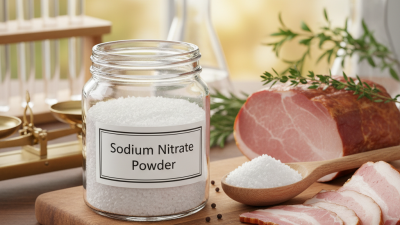
Sodium Nitrate Powder, a versatile compound prominent in various industries, has garnered attention for its multifaceted applications, particularly in food preservation and agricultural practices. This compound is crucial for enhancing the safety and quality of cured meats, where it functions as a preservative and color fixative, preventing the growth of harmful bacteria such as Clostridium botulinum. According to a study published by the Food and Agriculture Organization (FAO), the global consumption of sodium nitrate in food preservation has increased, underscoring its importance in maintaining food safety standards.
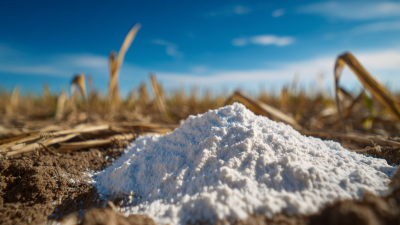
Beyond the food industry, Sodium Nitrate Powder plays a significant role in agricultural settings, where it acts as a nitrogen source in fertilizers. The International Fertilizer Association (IFA) has reported that nitrogen is a key element for plant growth, and sodium nitrate is an efficient fertilizer that aids in maximizing crop yields, particularly in arid environments. Additionally, its application in various chemical processes and as a part of pharmaceutical formulations illustrates its diverse utility. However, the benefits of Sodium Nitrate Powder must be balanced with safety considerations, as excessive intake can pose health risks. Comprehensive safety assessments and adherence to regulatory guidelines are critical to ensuring its responsible use.
Sodium Nitrate Powder: An Overview of Its Composition and Properties
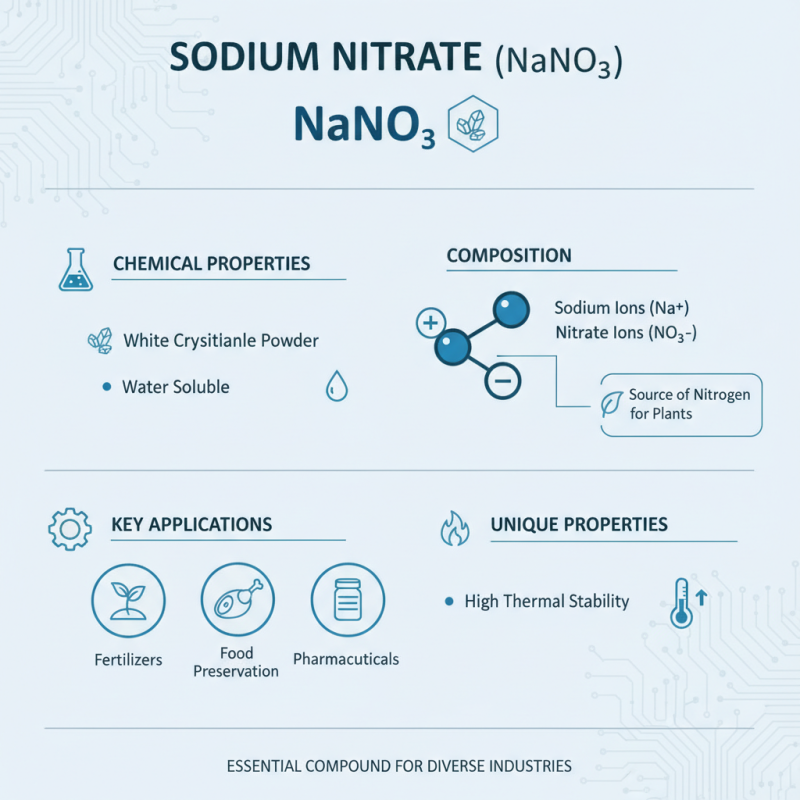
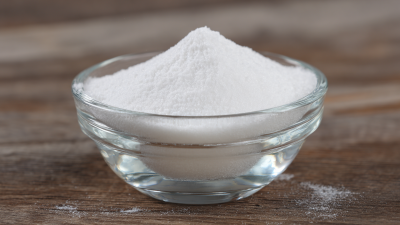
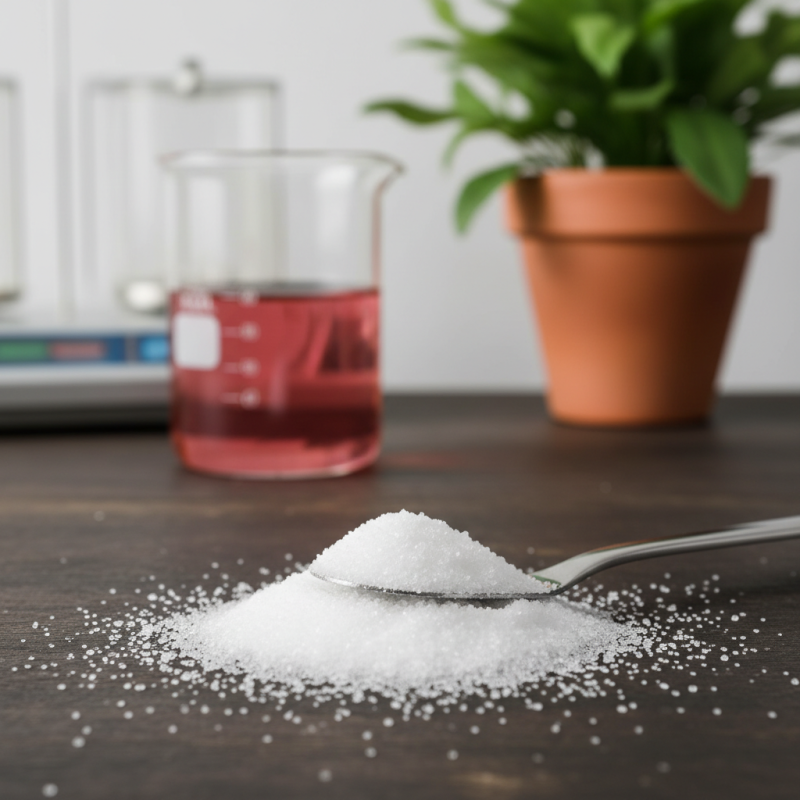
Sodium nitrate, known for its chemical formula NaNO3, is a white crystalline powder that plays a significant role in various applications. This compound is primarily comprised of sodium ions and nitrate ions, making it a source of nitrogen that is essential for plant growth. Sodium nitrate is soluble in water, which allows for easy incorporation into different formulations, including fertilizers, food preservation, and even pharmaceuticals. Its unique properties, such as high thermal stability, make it an ideal choice in many industrial processes.
When using sodium nitrate, safety considerations are paramount. It is important to handle this compound in a well-ventilated space and to wear appropriate personal protective equipment such as gloves and goggles. Additionally, sodium nitrate should be stored in a cool, dry place to prevent any potential chemical reactions or degradation.
**Tips:** When utilizing sodium nitrate as a fertilizer, consider applying it during the early spring when plants are actively growing, as this will maximize nutrient uptake. Always follow recommended application rates to avoid over-fertilization, which can lead to environmental issues. For food preservation, ensure you balance sodium nitrate with other preservation methods to optimize flavor and safety.
Common Uses of Sodium Nitrate Powder in Various Industries
Sodium nitrate powder is a versatile compound utilized across various industries due to its unique properties. In the food sector, it serves primarily as a preservative and curing agent. According to a report from the International Journal of Food Science and Technology, sodium nitrate helps inhibit the growth of harmful bacteria, thus extending the shelf life of cured meats and dairy products. Its effectiveness in enhancing the flavor and color of meats makes it a staple in food processing, particularly in the production of sausages and hams.
In agriculture, sodium nitrate is widely recognized as a valuable nitrogen source for fertilizers. A study published in the Journal of Agricultural and Food Chemistry highlights that the use of sodium nitrate in fertilizers promotes healthy plant growth by supplying essential nutrients. The global fertilizer market, as projected by industry analysts, is expected to reach USD 215 billion by 2026, with sodium nitrate playing a significant role due to its ability to improve soil fertility and crop yields.
Additionally, sodium nitrate powder finds applications in the manufacturing sector, particularly in the production of glass and ceramics. The compound serves as a flux that lowers the melting point of the raw materials, enhancing the efficiency of the glass-making process. As reported by the Glass and Ceramics Industry Association, the use of sodium nitrate in glass production not only increases energy efficiency but also contributes to the overall quality of the glass produced. These diverse applications underscore the significance of sodium nitrate powder across multiple industries.
What is Sodium Nitrate Powder Uses Benefits and Safety Information - Common Uses of Sodium Nitrate Powder in Various Industries
| Industry |
Common Uses |
Benefits |
Safety Information |
| Food Preservation |
Used as a curing agent in meats. |
Inhibits bacterial growth and enhances flavor. |
Minimum required levels should be maintained to avoid toxicity. |
| Agriculture |
Used as a nitrogen source in fertilizers. |
Promotes plant growth and increases crop yield. |
Overuse may lead to soil contamination. |
| Chemical Manufacturing |
Raw material in the production of glass and explosives. |
Essential for producing high purity chemical products. |
Requires careful handling to prevent hazardous reactions. |
| Pharmaceuticals |
Intermediate in the synthesis of certain drugs. |
Supports the development of effective medications. |
Must be used in regulated amounts to ensure safety. |
| Textile Industry |
Used in dyeing and printing processes. |
Helps achieve vibrant colors and improved fabric properties. |
Personal protective equipment is recommended while handling. |
Benefits of Sodium Nitrate Powder for Health and Agriculture
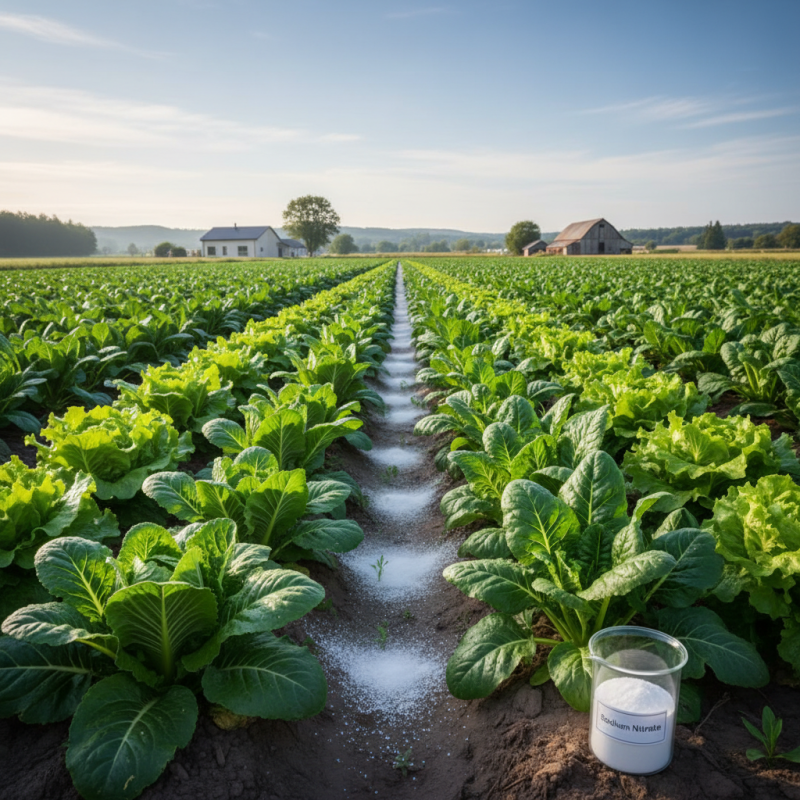
Sodium nitrate powder is gaining recognition for its multifaceted benefits in both health and agriculture. In agricultural settings, sodium nitrate serves as an essential nitrogen source for crops, facilitating optimal growth and enhancing yield. Studies indicate that utilizing sodium nitrate can increase crop production by up to 20-25%, particularly in leafy vegetables that require substantial nitrogen levels. The compound is also praised for its rapid absorption by plants, ensuring that nutrients are delivered effectively and swiftly.
In terms of health, sodium nitrate exhibits several beneficial properties when consumed in moderation. Research published in the journal 'Nutrition Reviews' highlights that dietary intake of nitrates, including sodium nitrate, can improve cardiovascular health by enhancing endothelial function and lowering blood pressure. Its ability to convert into nitric oxide in the body is linked to improved blood flow and oxygen delivery to muscles, which may benefit athletic performance and recovery.
Tips: When using sodium nitrate in agriculture, ensure you conduct a soil test to determine the appropriate nitrogen levels needed for optimal crop performance. In dietary contexts, maintain a balanced intake and consult a healthcare professional if you have specific health concerns regarding nitrate consumption. This will help maximize the benefits while minimizing any risks associated with excess intake.
Safety Considerations and Potential Risks of Sodium Nitrate Powder
Sodium nitrate powder is widely used in various industries, including food preservation and chemical manufacturing. However, safety considerations and potential risks associated with its use are critical for consumers and professionals alike. According to the U.S. Environmental Protection Agency (EPA), exposure to sodium nitrate can occur through food consumption, occupational settings, or environmental sources. While sodium nitrate is recognized as generally safe when used appropriately, excessive intake may lead to health issues such as
methemoglobinemia, which impairs the blood's ability to carry oxygen.
Industries that utilize sodium nitrate should implement stringent safety protocols to mitigate risks. The National Institute for Occupational Safety and Health (NIOSH) recommends that workers handling this compound wear appropriate protective gear to prevent skin and respiratory exposure. Moreover, the Occupational Safety and Health Administration (OSHA) has established permissible exposure limits to ensure a safe working environment.
It is essential to educate both industry professionals and consumers about the proper usage, potential side effects, and safe handling practices to minimize health risks associated with sodium nitrate. As current data suggests that improper management of sodium nitrate can lead to serious health implications, ongoing research and monitoring are vital in confirming its safety in various applications.
Guidelines for Proper Handling and Storage of Sodium Nitrate Powder
Sodium nitrate powder is widely used in various industrial applications, especially in fertilizers, food preservation, and as a component in some chemical processes. However, proper handling and storage of this compound are essential to ensure safety and effectiveness. According to the National Institute for Occupational Safety and Health (NIOSH), sodium nitrate is classified as a non-toxic substance; nonetheless, it can pose hazards in specific conditions, like when exposed to extreme heat or moisture. It’s crucial to store sodium nitrate in a cool, dry place, away from incompatible materials such as acids and organic substances, which can lead to hazardous reactions.
When handling sodium nitrate, personnel should utilize appropriate personal protective equipment (PPE) such as gloves, goggles, and masks to minimize inhalation or skin contact. The American Conference of Governmental Industrial Hygienists (ACGIH) emphasizes the importance of good ventilation in workspaces where sodium nitrate is used. Implementing strict access controls and employing trained personnel can also reduce the risk of accidents.
Tips: Always keep sodium nitrate powder securely packaged in labeled containers to prevent accidental exposure or misuse. Additionally, perform regular audits of storage areas and ensure that spills are promptly cleaned using appropriate procedures to maintain a safe environment. Keeping Material Safety Data Sheets (MSDS) readily available can provide quick access to essential safety information for all employees.
Sodium Nitrate Powder Uses and Benefits
This bar chart illustrates the various applications of Sodium Nitrate Powder, including its significant role in fertilizers, food preservation, and industrial applications. Understanding these uses can help in the proper handling and storage of this chemical.