Leave Your Message

What Is Sodium Nitrite Powder Used For?

Sodium Nitrite Powder is an industrial chemical with several controlled, practical uses. Food processors use it in regulated curing systems to help protect color, flavor, and safety in products such as bacon and ham. It also supports corrosion control, heat-transfer formulations, dyes, and selected pharmaceutical intermediates. Market reviews from Grand View Research and MarketsandMarkets identify food preservation and industrial chemistry as major application segments. Their findings also indicate that demand depends heavily on regulatory compliance and manufacturing standards. This is not a casual household ingredient.

Safety requires precision. The European Food Safety Authority’s 2017 re-evaluation established an acceptable daily intake for nitrite ions of 0.07 milligrams per kilogram of body weight. That figure does not mean unrestricted use. It reflects controlled exposure. The IARC Monographs also classify processed meat as carcinogenic to humans, while its assessment does not simply equate every use of Sodium Nitrite Powder with cancer. Dr. Kurt Straif, an IARC expert, stated, “For an individual, the risk of developing colorectal cancer because of their consumption of processed meat remains small, but this risk increases with the amount of meat consumed.” The distinction matters.

The picture is not perfectly simple. Product purity, dosage, storage, and labeling can change the risk profile. Moisture, heat, and accidental mixing with incompatible materials also deserve attention. A responsible article should explain the chemistry without encouraging unsupervised handling. It should also acknowledge one limitation: market reports estimate demand, but they cannot replace local food, workplace, or environmental regulations.

What Is Sodium Nitrite Powder Used For?

What Is Sodium Nitrite Powder?

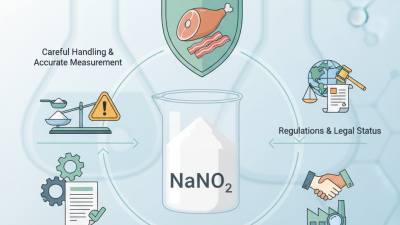
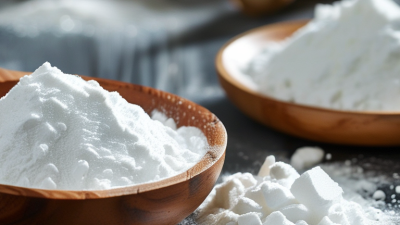
Sodium nitrite powder is an inorganic salt with the chemical formula NaNO₂. It usually appears as a white or slightly yellow crystalline powder. In controlled food processing, it helps preserve certain cured meats, supports color stability, and limits the growth of dangerous bacteria. It can also serve as a corrosion inhibitor, laboratory reagent, or chemical-processing ingredient. Its purpose depends heavily on purity and the intended application. Food-grade material is not automatically suitable for laboratory or industrial use.

This substance requires careful handling because excessive exposure can affect blood oxygen transport. Improper use may also contribute to unwanted nitrosamine formation under specific conditions. Regulations therefore control its sale, labeling, storage, and use in many regions. A professional should follow approved procedures, product documentation, and local requirements. I would not treat this powder like ordinary salt. That assumption is dangerously simple. Personal experience with measurements is not enough; validated equipment and trained oversight matter.

Tips: Keep the container sealed, dry, and clearly labeled. Avoid contact with skin, eyes, and food areas unless the product is specifically approved for that purpose. Wear suitable protective equipment and review the safety data sheet before handling. Never estimate quantities by sight. If exposure occurs, seek medical guidance promptly.
How Is Sodium Nitrite Used in Food Preservation?

What Is Sodium Nitrite Powder Used For?

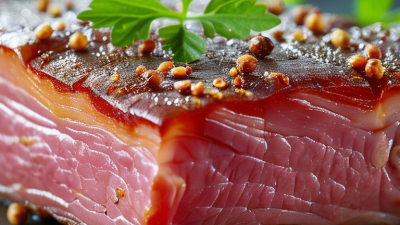
Sodium nitrite powder is mainly used in food preservation, especially for cured meats, fish, and some traditional meat products. In a properly prepared curing mixture, it helps slow the growth of Clostridium botulinum. This bacterium can produce a dangerous toxin in low-oxygen foods. Nitrite also gives cured meat its familiar pink color and characteristic flavor.

It is not a complete safety system.

Salt, refrigeration, acidity, water activity, cooking, and strict dosing must work together. The U.S. Department of Agriculture describes nitrite as one control within a broader curing process, not a substitute for sanitation or temperature management. In practice, accurate weighing matters because a small powder quantity can affect a large batch. I would not rely on visual judgment.

The FAO/WHO Joint Expert Committee on Food Additives set an acceptable daily intake of 0–0.07 milligrams of nitrite ion per kilogram of body weight per day. EFSA’s 2017 re-evaluation used the same level. Regulations differ by product and region, so permitted amounts must be checked locally. The International Agency for Research on Cancer reported an 18% higher colorectal cancer risk for every 50 grams of processed meat eaten daily. That finding concerns processed meat exposure, not sodium nitrite alone. The evidence deserves careful reading.

What Industrial Applications Use Sodium Nitrite Powder?

Sodium nitrite powder serves several controlled industrial functions beyond food processing. In rubber manufacturing, it supports chemical treatment steps and helps manage reaction conditions. It also appears in corrosion-inhibitor formulations for closed-loop cooling systems, where dissolved metal surfaces need protection. European Chemicals Agency registration data identifies corrosion control, rubber processing, and chemical synthesis among documented use categories. These applications require accurate dosing, compatible equipment, and a current safety data sheet.

Construction chemistry uses sodium nitrite in selected concrete admixtures, especially where low temperatures slow cement hydration. The material can help protect embedded steel from corrosion when the formulation is properly engineered. It also functions as an intermediate for producing other nitrogen-containing chemicals, dyes, and specialty materials. A 2023 UN Comtrade dataset tracks sodium nitrite under HS code 283410, showing active international trade, although national reporting methods differ. The figures are not perfectly comparable.

Industrial buyers should evaluate purity, moisture content, particle size, and packaging stability. A fine white powder can absorb contamination during storage. That detail matters. The International Labour Organization and World Health Organization safety guidance stresses controlled handling, clear labeling, and prevention of accidental contact with incompatible substances. In practice, process engineers should validate concentration, temperature, and waste controls before scale-up. Market reports often emphasize growth, but they rarely explain plant-level failures. That gap deserves attention.

How Does Sodium Nitrite Function Chemically?

What Is Sodium Nitrite Powder Used For?

How Does Sodium Nitrite Function Chemically?

Sodium nitrite is an inorganic salt with the formula NaNO2. Its chemistry depends strongly on moisture, acidity, and temperature. In water, it separates into sodium ions and nitrite ions. The nitrite ion can accept or donate chemical partners, making it useful in controlled reactions.

In acidic conditions, nitrite can form nitrous acid. This unstable compound may produce nitric oxide and other nitrogen oxides. That reaction helps explain sodium nitrite’s role in certain food-curing processes. Nitric oxide contributes to the characteristic color and flavor of cured foods. It also helps limit the growth of some harmful microorganisms. The chemistry is not simple.

Sodium nitrite can also act as a corrosion inhibitor in some closed industrial water systems. It supports the formation of a protective layer on steel surfaces, reducing metal oxidation. However, performance depends on concentration, water quality, temperature, and system design. A technical professional should evaluate these conditions before use. I would not describe sodium nitrite as harmless because its benefits depend on precise control. Contact with strong acids can create hazardous gases, while excessive exposure can affect the body’s ability to carry oxygen. Safe storage, accurate measurement, and suitable protective equipment remain essential.

What Are the Safety and Handling Requirements?

Sodium nitrite powder is used in controlled food-curing processes, laboratory work, and selected industrial applications. Its function depends on purity, concentration, and legal authorization. Food use requires precise measurement and trained supervision. It should never be treated like ordinary table salt.

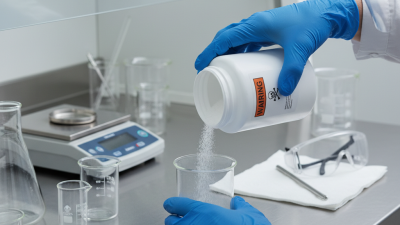
Safety begins with the current Safety Data Sheet and a documented procedure. Wear chemical-resistant gloves, protective eyewear, and a suitable lab coat. Use local ventilation to limit dust. Keep the powder away from acids, reducing agents, heat, and incompatible chemicals.

Moisture can cause clumping and handling errors. A small scoop can look harmless. That impression is misleading.

Store sodium nitrite in a sealed, clearly labeled container. Keep it in a cool, dry, secure area, separate from food and animal feed. Do not use unmarked containers or kitchen utensils.

I would not rely on memory for weighing or dilution. Use calibrated equipment, record each amount, and have another trained person check the calculation.

If powder reaches the eyes or skin, rinse with clean water for at least fifteen minutes and seek medical advice. Move anyone who inhales dust to fresh air. If swallowed, contact emergency services or a poison center immediately; do not induce vomiting unless professionals instruct you.

Even experienced workers can overlook contamination, especially during busy shifts. That possibility deserves a written inspection step.