What is Soluble Lawn Fertilizer and How Does It Benefit Your Garden?
A lush and vibrant lawn is the dream of many gardeners. Achieving this beauty often requires the right tools and products. One such product worth exploring is Soluble Lawn Fertilizer. It offers an effective way to nourish your grass and plants. But what exactly is it, and how does it work?
Soluble Lawn Fertilizer contains nutrients in a form that dissolves easily in water. This allows for quick absorption by your plants. When applied appropriately, it can lead to noticeable improvements. You may see greener grass and healthier plants in just a few days. It’s crucial to follow the recommended guidelines to avoid over-fertilization, which can harm your garden.
While Soluble Lawn Fertilizer can provide great benefits, it is not a one-size-fits-all solution. Different plants have varying needs. It’s essential to reflect on the specific requirements of your garden before making a choice. Consider your soil quality, climate, and the type of grass you are growing. By doing this, you can make more informed decisions to enhance your garden’s health and beauty.
Definition and Composition of Soluble Lawn Fertilizer
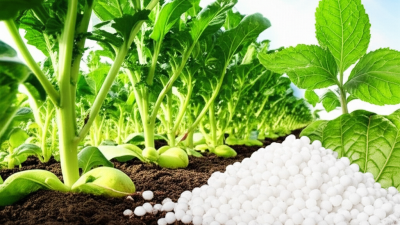
Soluble lawn fertilizer is a concentrated nutrient source for grass. It dissolves easily in water, providing essential elements for lawn growth. Typically, it contains nitrogen, phosphorus, and potassium (NPK), which support plant health. Modern formulations offer an optimal ratio of these nutrients, promoting robust root development and lush green grass.
According to the American Society of Agronomy, using soluble fertilizers can improve nutrient efficiency by 20-40%. This means your lawn receives more of what it needs with less waste. When applied correctly, soluble fertilizers can encourage stronger grass growth while minimizing nutrient runoff.
Many gardeners struggle with timing their applications. Mistakes can lead to uneven growth or even lawn burn. Observing your lawn regularly helps avoid this pitfall. Soil tests can determine if soluble fertilizers are necessary. Paying attention to your lawn's needs makes a world of difference in results.
Mechanism of Action: How Soluble Fertilizers Nourish Plants
Soluble lawn fertilizer is designed to be easily dissolved in water. This makes it readily available for plants. When you apply it, nutrients get absorbed quickly. This helps plants grow faster and healthier.
The mechanism of action for soluble fertilizers relies on their nutrient composition. They typically contain nitrogen, phosphorus, and potassium. These nutrients play crucial roles in plant development. Nitrogen promotes leaf growth. Phosphorus supports root and flower development. Potassium is vital for overall plant health.
Tips: Apply soluble fertilizers during the growing season. This timing maximizes nutrient uptake. Use the recommended dosage to avoid nutrient burn. Over-fertilizing can harm your plants.
It's also essential to consider the soil type. Nutrient availability can vary greatly. Testing your soil may reveal deficiencies. This way, you can tailor your fertilizer use effectively. Each garden is unique. Find out what works best for yours. Always monitor plant response. Adjust as needed for optimal growth.
What is Soluble Lawn Fertilizer and How Does It Benefit Your Garden?
| Nutrient |
Function |
Benefit to Plants |
Application Rate (lbs per 1000 sq ft) |
| Nitrogen (N) |
Promotes leafy growth |
Enhances green color and overall growth |
1-2 lbs |
| Phosphorus (P) |
Supports root development |
Improves root establishment and flowering |
0.5-1 lbs |
| Potassium (K) |
Enhances disease resistance |
Improves stress tolerance and overall health |
1-2 lbs |
| Calcium (Ca) |
Strengthens cell walls |
Promotes structural integrity of plants |
0.5-1 lbs |
| Magnesium (Mg) |
Essential for photosynthesis |
Enhances chlorophyll production and overall vigor |
0.5-1 lbs |
Advantages of Using Soluble Lawn Fertilizer in Gardening
Soluble lawn fertilizer offers numerous benefits for gardening enthusiasts. This type of fertilizer dissolves completely in water, making it easier to apply and absorb. A study by the Agricultural Research Service shows that soluble fertilizers can improve nutrient uptake by over 30%. This is crucial for promoting healthy growth in plants, especially in nutrient-deficient soils.
Using soluble lawn fertilizer allows for precise nutrient management. Gardeners can tailor the dosage based on specific plant needs. For instance, high nitrogen solutions can boost early spring growth, while potassium-rich blends help during flowering. Regular use can lead to a more vibrant garden with thriving plants.
Tips: Always read application instructions carefully. Over-fertilizing can harm your plants. Consider testing your soil first. This can guide you in choosing the right fertilizer type and quantity.
It's easy to assume that more fertilizer means better growth. However, excessive use can lead to nutrient runoff and environmental damage. Gardeners should reflect on their practices and aim for balance.
Application Methods for Soluble Fertilizer in the Garden
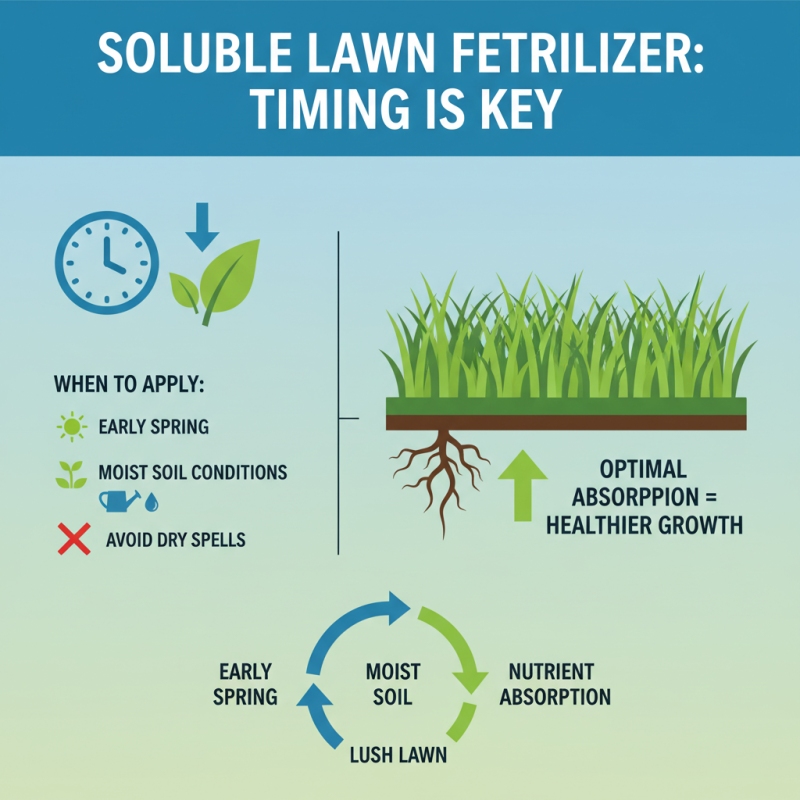
When applying soluble lawn fertilizer, timing is crucial. Early spring is ideal for most gardens. This helps plants absorb nutrients before they enter their rapid growth phase. Applying during dry spells may not yield the best results, though. Remember, the soil should be moist for optimal absorption.
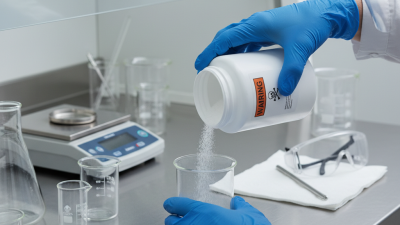
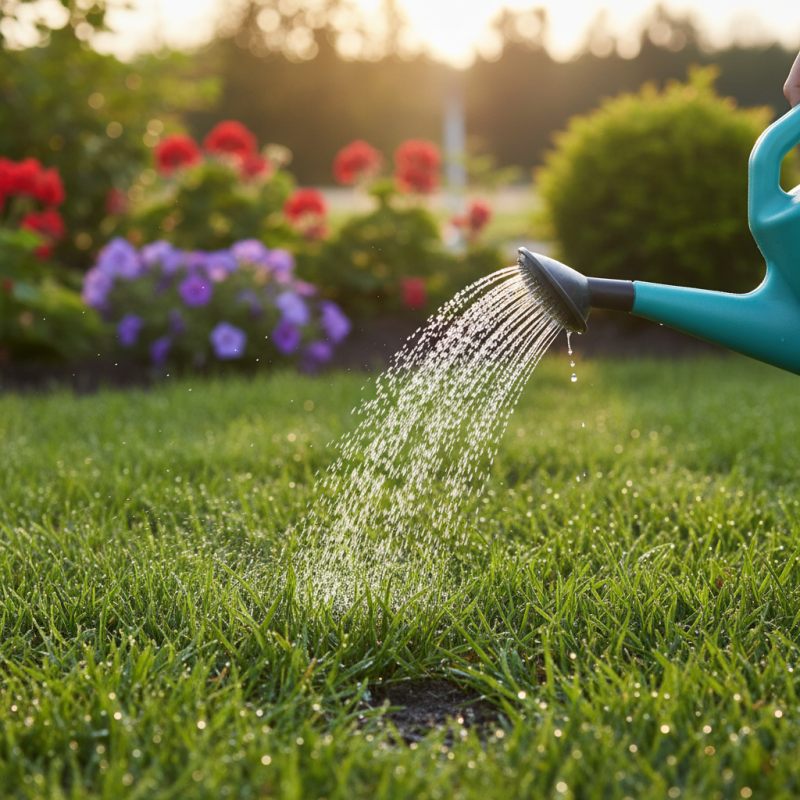
Mixing the fertilizer with water is a popular method. This allows for even distribution across your garden. Use a sprayer or watering can for application. Ensure you avoid over-spraying on delicate plants. Too much can damage leaves and roots. If you’re unsure, start with a diluted solution.
Tips: Check the weather forecast before application. Rain can wash away nutrients. It's also a good idea to test your soil regularly. This will help you understand its nutrient needs better. Consider adjusting the amounts or timing based on your findings. Not every plant requires the same care. Therefore, take note of your garden’s unique needs.
Comparing Soluble Fertilizer to Other Fertilizer Types
Soluble fertilizers are a popular choice among gardeners for several reasons. They dissolve quickly in water, allowing nutrients to be absorbed by plants almost immediately. This can lead to significant growth, especially during the active growing season. According to a report from the American Society of Horticultural Science, soluble fertilizers can improve plant yields by 25% compared to granular types in optimal conditions.
When comparing soluble fertilizers to granular ones, some distinct differences emerge. Granular fertilizers release nutrients slowly. This can lead to nutrient deficiencies if not timed correctly. Soluble options, on the other hand, allow for precise control over nutrient levels. They can be adjusted according to a plant's specific needs. However, using them incorrectly can burn plant roots, leading to poor growth or even death.
Consider the details—soluble fertilizers can provide a quick boost, but they require careful usage. Over-fertilization is a common pitfall. It's essential to follow recommended guidelines to avoid damaging plants. Some gardeners overlook the need for a balanced approach. Integrating soluble fertilizers with organic matter can enhance soil health and improve long-term sustainability. Therefore, understanding the pros and cons is crucial for successful gardening.