2026 Top Uses of Calcium Nitrate Granular for Agriculture and Gardening?
Calcium Nitrate Granular is a versatile product in agriculture and gardening. This compound serves multiple purposes, enhancing plant growth and soil health. It supplies essential nutrients, primarily calcium and nitrogen, which are vital for plants.
Farmers and gardeners often use Calcium Nitrate Granular to boost crop yields. It promotes root development and improves fruit quality. Additionally, it helps plants resist diseases better. Its quick absorption rate makes it ideal for various soil types.
However, not every application is flawless. Some users may apply too much, leading to nutrient imbalances. It is essential to understand the specific needs of each plant. Tailoring the application to fit those needs can make a significant difference. As with any gardening product, knowledge and careful consideration are key to maximizing benefits.
Top Benefits of Calcium Nitrate Granular in Soil Fertility Enhancement
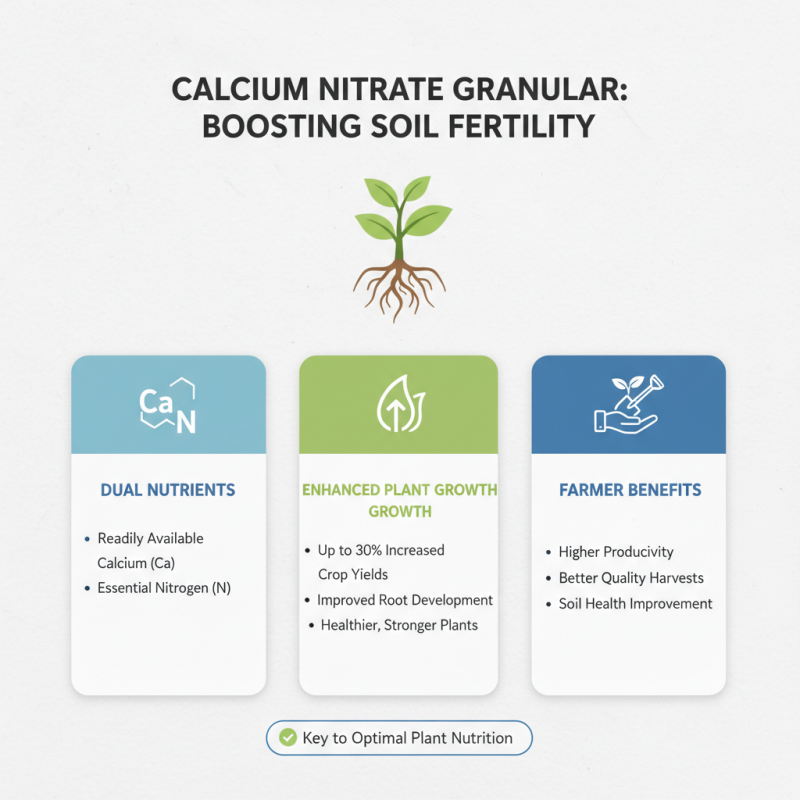
Calcium nitrate granular plays a crucial role in enhancing soil fertility. This compound provides a readily available source of calcium and nitrogen, essential for plant growth. Studies show that optimal nitrogen levels can increase crop yields by up to 30%. Farmers often find that using calcium nitrate improves root development, resulting in healthier plants.
The benefits extend beyond just yield. Calcium helps prevent blossom end rot in tomatoes and peppers, a common problem. This condition can lead to significant losses if not managed properly. Research indicates that calcium nitrate application can reduce the incidence of this issue by 60%. More importantly, it improves soil structure and drainage, which is vital during heavy rainfall.
Despite its advantages, some growers face challenges. Over-application can lead to nutrient imbalances. Understanding soil tests before application is necessary. Many farmers overlook this step, leading to unintended consequences. Awareness of local soil conditions is essential to optimize the use of calcium nitrate effectively. This practice encourages both higher yields and healthier soils.
Calcium Nitrate's Role in Preventing Blossom End Rot in Tomatoes
Blossom end rot is a common issue for tomato growers. It can ruin the fruit and affect overall yield. Calcium nitrate granular plays a crucial role in addressing this problem. This nitrogen and calcium source helps strengthen plant structures. According to industry reports, a calcium deficiency can lead to blossom end rot in up to 30% of tomatoes.
Timing is essential when applying calcium nitrate. Early application during the flowering stage can prevent this disorder. Growers may see significant improvements in fruit quality. Research indicates that consistent calcium levels can reduce blossom end rot rates to below 10%. However, many growers underestimate the importance of calcium in soil health.
Over-reliance on nitrogen fertilizers can compound issues. It's vital to balance nutrient inputs effectively. Farmers should conduct regular soil tests to monitor calcium levels. Ignoring these tests can lead to persistent blossom end rot. More awareness and education on this topic are needed in the gardening community. Proper management of calcium levels is not just beneficial—it's necessary for a thriving tomato crop.
Impact of Calcium Nitrate on Nutrient Uptake in Leafy Green Crops
Calcium nitrate is widely recognized in agriculture, particularly for leafy greens. Research shows it significantly influences nutrient uptake. In leafy crops, such as lettuce and spinach, calcium nitrate enhances nitrogen absorption. This effect can improve growth rates by as much as 25%.
A study published in the "Journal of Plant Nutrition" indicated that calcium nitrate increases chlorophyll content. High chlorophyll levels promote photosynthesis, resulting in better yields. Farmers have reported larger, more vibrant leaves, indicating nutrient richness. However, over-application can lead to issues, including nutrient leaching.
Understanding the right amount is crucial. Soil tests can guide appropriate usage rates. Additionally, factors like pH and moisture influence calcium nitrate's effectiveness. Crop rotation and diverse planting can help mitigate risks. Balancing inputs is essential for sustainable gardening and farming practices.
Using Calcium Nitrate for Improved Crop Yields in Hydroponic Systems
Calcium nitrate is gaining popularity in hydroponic systems for its contributions to improved crop yields. Research indicates that calcium nitrate can enhance plant growth by providing essential nutrients. In hydroponics, plants receive nutrients through water, making it vital to choose the right ones. Calcium nitrate dissolves easily, ensuring that plants absorb nutrients efficiently. This leads to healthier plants and bountiful harvests.
In fact, studies have shown that using calcium nitrate can increase crop yields by as much as 20%. This is particularly significant for high-value crops, where even a small yield increase can substantially impact profitability. Nutrient management is crucial, and calcium nitrate acts as a reliable source of calcium and nitrogen that plants need for vigorous growth. Regular monitoring and adjusting of nutrient levels in hydroponic systems can prevent deficiencies and improve overall plant health.
Tip: Always test your nutrient solution regularly. This helps ensure you’re providing the right concentrations of calcium nitrate. Be aware that too much calcium can lead to imbalances in other nutrients.
Additionally, consider the timing of nutrient application. Applying calcium nitrate at different growth stages can maximize its benefits. Remember that every crop has unique needs. Some plants may not require as much calcium. Adjust based on your specific crop requirements for optimal growth.
Environmental Benefits of Utilizing Calcium Nitrate in Sustainable Gardening
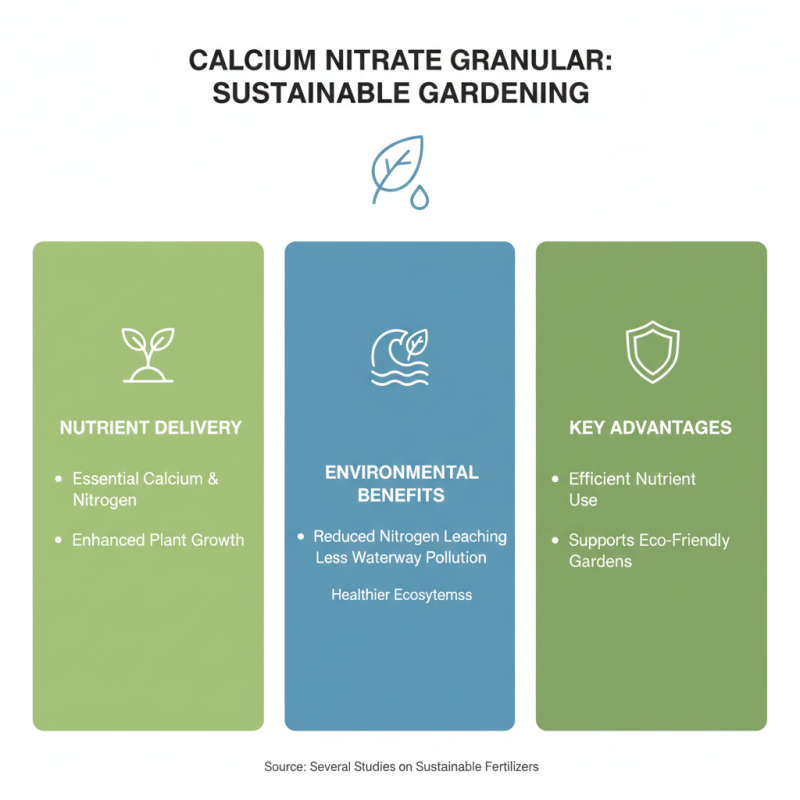
Calcium nitrate granular is gaining attention in sustainable gardening. This compound provides essential nutrients while minimizing environmental impacts. According to several studies, it can enhance plant growth with lower nitrogen leaching compared to other fertilizers. This reduces waterway pollution, promoting healthier ecosystems.
Using calcium nitrate in soil can improve yield quality. It helps plants absorb water more efficiently. Additionally, it supports beneficial soil microbes, ensuring a balanced ecosystem. In a regenerative agriculture study, researchers noted up to a 30% increase in soil health when calcium nitrate was used.
Tips for using calcium nitrate effectively: Start with a soil test. This helps identify nutrient deficiencies. Apply calcium nitrate during active growing seasons. Monitor plants regularly to avoid over-fertilization. Remember, balance is key. Overuse can lead to nutrient runoff, which worsens environmental issues. Aim for sustainable gardening practices that prioritize planet health.