Unlocking Plant Growth Secrets with High Nitrogen Fertilizer Use in Modern Agriculture
In modern agriculture, the quest for maximizing plant growth has led to an increased reliance on
High Nitrogen Fertilizer, which plays a crucial role in enhancing crop yields
and improving overall soil quality. According to the Food and Agriculture Organization
(FAO), nitrogen is a key nutrient, accounting for approximately 78% of the atmosphere and significant
for plant health. Furthermore, studies suggest that the use of nitrogen fertilizers can boost the average crop yield
by 20-50%, making it an indispensable tool for farmers worldwide.
However, the challenge remains in optimizing the application rates to minimize environmental impacts while ensuring
sustainable agricultural practices. With the global population projected to reach 9.7 billion by 2050,
effective utilization of High Nitrogen Fertilizer becomes essential not only
for meeting food demands but also for supporting eco-friendly farming techniques.
Understanding the Role of Nitrogen in Plant Growth and Development
Nitrogen is a crucial nutrient that significantly influences plant growth and development, playing a vital role in processes such as photosynthesis, enzyme production, and overall metabolism. According to the Food and Agriculture Organization (FAO), nitrogen makes up about 78% of the Earth's atmosphere but only a small fraction is accessible to plants in a usable form. As a result, farmers often rely on high nitrogen fertilizers to enhance crop yields. In the United States, for instance, nitrogen fertilizer applications have increased corn yields by an average of 23% over the past two decades, according to the USDA Economic Research Service.
However, while nitrogen is essential for plant health, it’s important to apply it correctly to avoid detrimental effects on the environment. Excessive use can lead to nitrate leaching into waterways, causing pollution and ecological harm. Implementing precision agriculture techniques can help mitigate such issues.
Tips:
- Test soil nitrogen levels before applying fertilizers to ensure you're meeting specific crop needs.
- Use slow-release fertilizers to provide a steady supply of nitrogen, reducing the risk of leaching.
- Consider crop rotation and cover cropping, which can improve nitrogen retention in the soil naturally.
Choosing the Right High Nitrogen Fertilizer for Specific Crops
Choosing the right high-nitrogen fertilizer can significantly impact crop yields, as nitrogen is a crucial nutrient for plant growth. According to the "Fertilizer Institute's 2022 Nutrient Use Efficiency Report," the use of high-nitrogen fertilizers is essential for maximizing vegetable and grain crops, with up to 30% increase in yields reported when appropriately applied. Different crops require varying levels of nitrogen; for instance, leafy greens like spinach thrive on higher nitrogen levels, while legumes may need less due to their nitrogen-fixing abilities.
Moreover, the timing and method of application of high-nitrogen fertilizers can influence their effectiveness. A study published in the "Journal of Crop Science" noted that split applications, where the nitrogen is applied in smaller doses at different growth stages, can enhance nutrient absorption. This method not only reduces nitrogen loss through leaching but also caters to the crop's developmental needs. Implementing such tailored fertilizer strategies ensures sustainable growth, improves soil health, and increases farmers' profitability in modern agriculture.
Unlocking Plant Growth Secrets with High Nitrogen Fertilizer Use in Modern Agriculture
| Crop Type |
Recommended Nitrogen Content (%) |
Application Rate (kg/ha) |
Best Time to Apply |
Expected Yield Increase (%) |
| Corn |
30-40 |
150-250 |
Pre-plant and V6 Stage |
15-20 |
| Wheat |
25-35 |
100-180 |
Top-dress at Tillering |
10-15 |
| Soybean |
20-30 |
80-140 |
At Planting |
8-12 |
| Rice |
25-35 |
120-200 |
Before Flooding |
12-18 |
| Potato |
20-30 |
150-200 |
Before Planting |
15-25 |
Best Practices for Applying High Nitrogen Fertilizers Efficiently
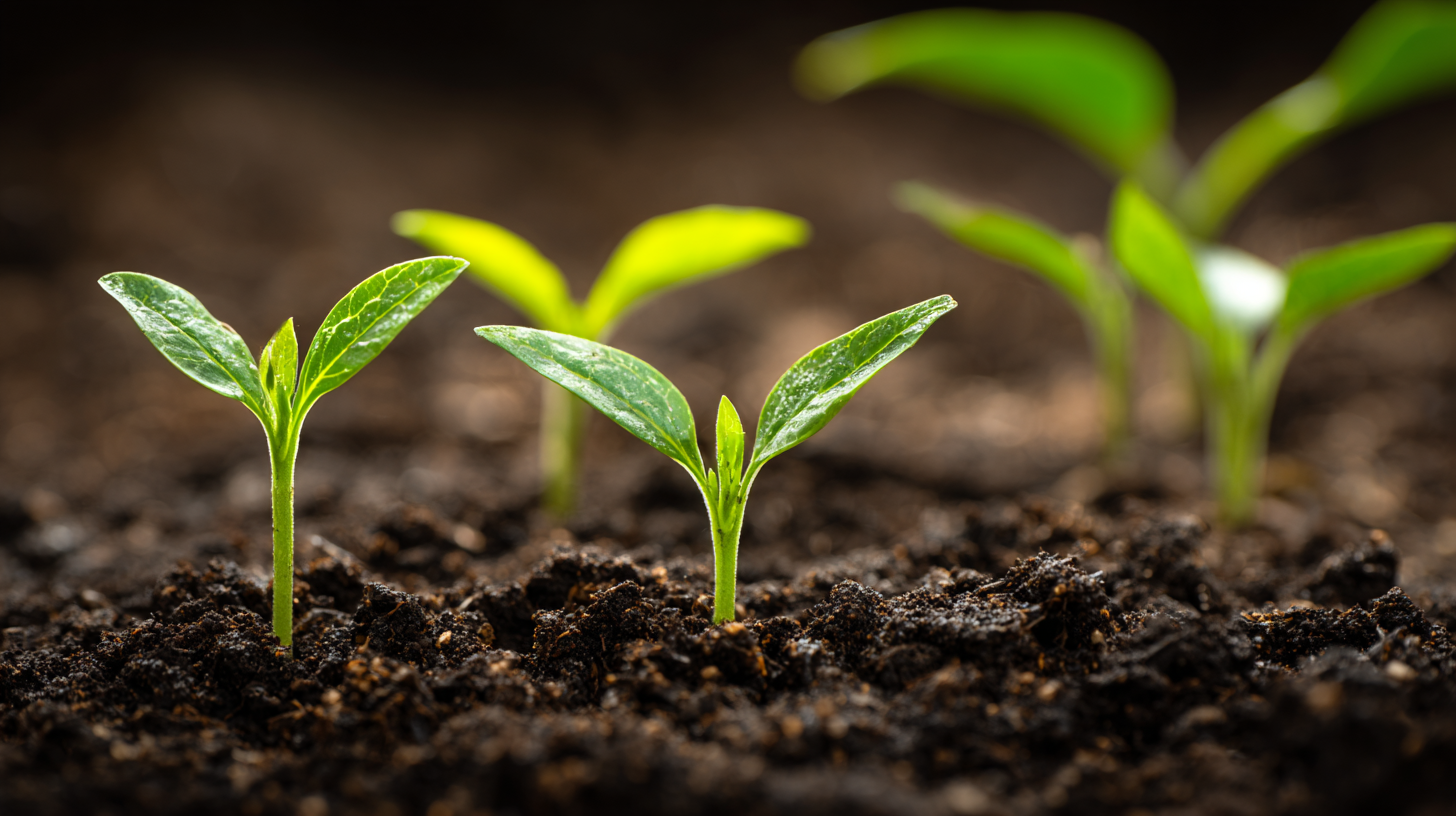 In the quest for maximizing crop yields, the efficient application of
high nitrogen fertilizers
has emerged as a pivotal strategy in modern agriculture. Recent studies from the
International Fertilizer Association (IFA) indicate that nitrogen fertilization can boost
yields by up to 50% in various crops, emphasizing its critical role in sustainable
farming practices. However, the benefits can only be realized through proper application
techniques that ensure nutrients are effectively utilized by plants while minimizing
environmental impacts.
In the quest for maximizing crop yields, the efficient application of
high nitrogen fertilizers
has emerged as a pivotal strategy in modern agriculture. Recent studies from the
International Fertilizer Association (IFA) indicate that nitrogen fertilization can boost
yields by up to 50% in various crops, emphasizing its critical role in sustainable
farming practices. However, the benefits can only be realized through proper application
techniques that ensure nutrients are effectively utilized by plants while minimizing
environmental impacts.
Tips for Efficient Application:
To optimize nitrogen use, consider applying fertilizers in
split doses throughout the growing season. This approach helps match nutrient
availability to crop demand, resulting in better uptake and reduced leaching. Moreover,
employing fertigation—applying fertilizers through irrigation systems—can enhance
nutrient absorption and lower the risk of runoff, as highlighted by a report from the
Food and Agriculture Organization (FAO).
Regular soil testing is another best practice that allows farmers to tailor their nitrogen
application to specific soil needs, improving both productivity and sustainability. According
to a study by the American Society of Agronomy, accurately matching nitrogen rates to
crop requirements can decrease fertilizer costs by up to 20%, reinforcing the importance
of data-driven farming in today's agricultural landscape.
Monitoring Plant Responses to Nitrogen Fertilizer Applications
Monitoring plant responses to nitrogen fertilizer applications is crucial for maximizing agricultural yields while minimizing environmental impacts. Nitrogen is a vital nutrient that fuels plant growth, but its application must be carefully managed. By employing advanced monitoring techniques, farmers can assess how plants react to different nitrogen levels and adjust their strategies accordingly. This not only helps in optimizing fertilizer usage but also in understanding the physiological changes that occur in crops during the growing season.
One effective method of monitoring involves the use of remote sensing technology, which allows for real-time observation of plant health and nutrient uptake. Through the analysis of spectral data, farmers can identify areas within fields that exhibit nitrogen deficiency or excess, enabling targeted fertilization. Additionally, soil testing and plant tissue analysis provide valuable insights into the nitrogen dynamics in the soil and its availability to crops. Combining these approaches facilitates a data-driven strategy that enhances plant growth while reducing the risk of nitrogen runoff, contributing to a more sustainable agricultural practice.
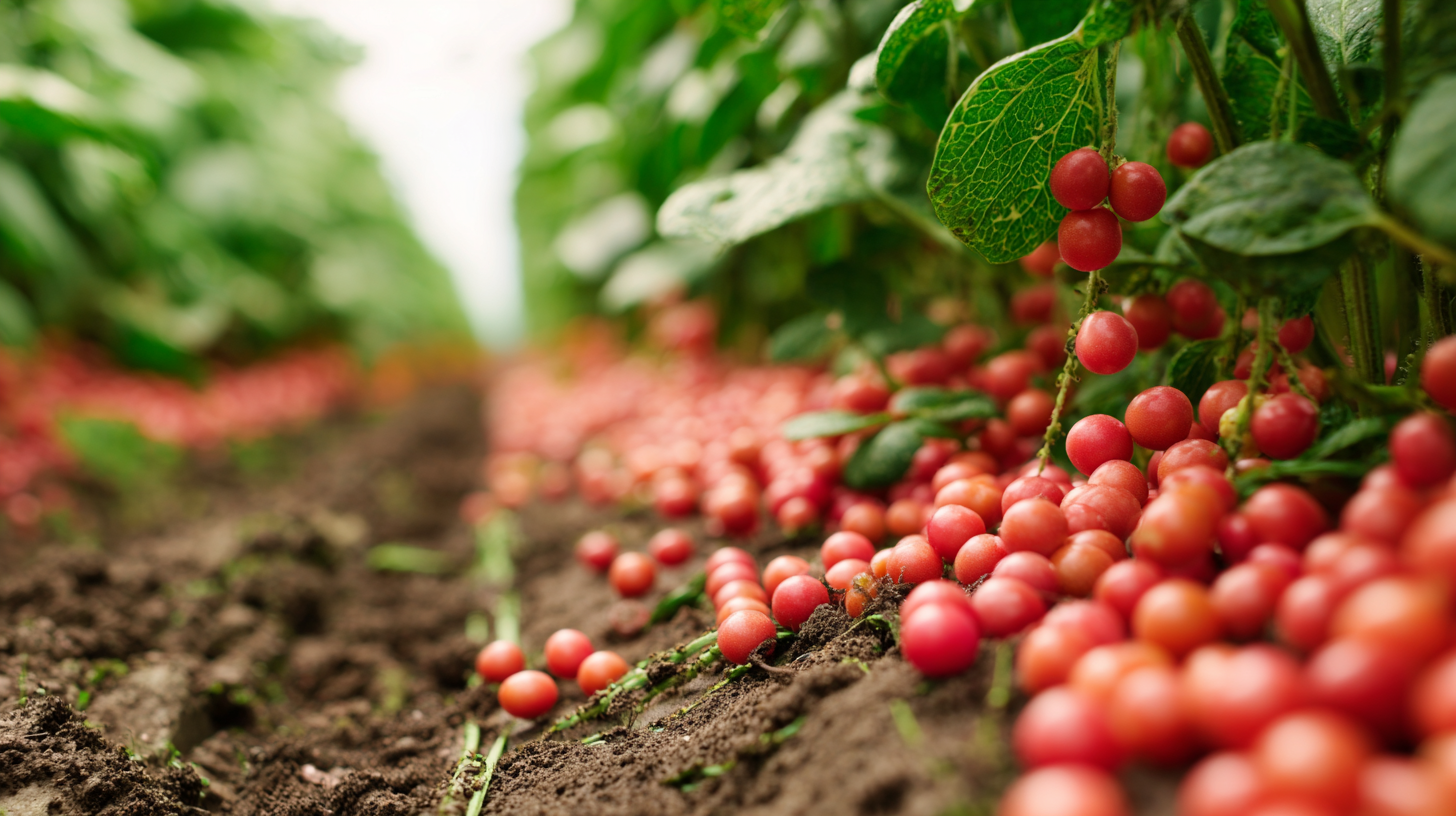
Sustainable Approaches to Enhance Nitrogen Use Efficiency in Agriculture
In modern agriculture, the use of high nitrogen fertilizers is crucial for maximizing crop yields, but achieving sustainable nitrogen use efficiency is equally important. According to a report by the International Fertilizer Association (IFA), approximately 50% of the nitrogen applied to crops is not absorbed by plants, leading to significant environmental challenges, including nutrient runoff and greenhouse gas emissions. By implementing innovative techniques such as precision agriculture, farmers can optimize fertilizer application rates and timing, effectively enhancing nitrogen use efficiency (NUE) while minimizing negative impacts.
Moreover, sustainable practices such as cover cropping and crop rotation have been shown to bolster soil health and nitrogen availability naturally. Research from the American Society of Agronomy indicates that integrating cover crops can increase nitrogen uptake by up to 30%, reducing the dependency on synthetic fertilizers. These practices not only improve NUE but also contribute to the resilience of agricultural systems against climate change while preserving vital ecosystems.
Thus, a combined approach of high nitrogen fertilizer use and sustainable agricultural strategies presents a pathway toward more efficient and environmentally friendly farming practices.