2026 How to Use Calcium Ammonium Nitrate for Optimal Plant Growth?
Calcium Ammonium Nitrate is a vital compound in modern agriculture. This nitrogen-rich fertilizer enhances plant growth and crop yield significantly. According to recent industry data, its use can improve crop productivity by up to 30%. Farmers and agronomists widely recognize its benefits for various crops.
When applied correctly, Calcium Ammonium Nitrate promotes faster growth and healthier plants. It provides essential nutrients and supports root development. However, improper usage can lead to issues like soil acidity or nutrient imbalance. Many growers overlook these factors, resulting in diminished returns.
The optimal application of Calcium Ammonium Nitrate requires careful planning. Timing and method of application play crucial roles in maximizing effectiveness. Many farmers find themselves unsure of the right quantities to use. Regular testing and adjustments are necessary for a successful outcome. Ultimately, understanding these dynamics can help ensure robust plant growth and sustainable agricultural practices.

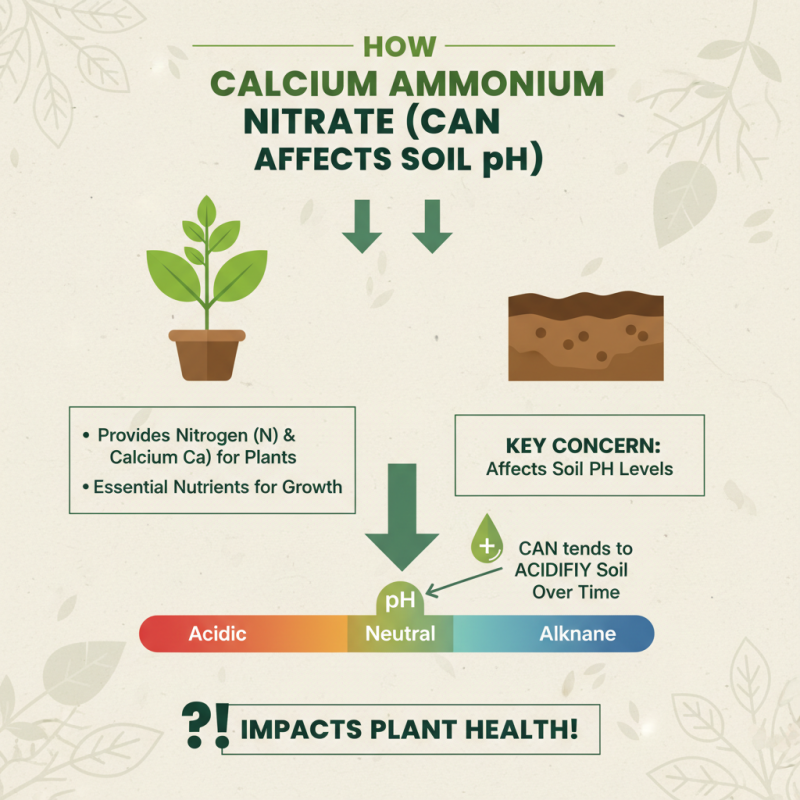
How Calcium Ammonium Nitrate Affects Soil pH Levels for Plants
Calcium Ammonium Nitrate (CAN) is a popular fertilizer among gardeners. It provides essential nutrients like nitrogen and calcium. A key concern when using CAN is its effect on soil pH levels. This influence can greatly impact plant health.
When applying CAN, it is important to monitor soil pH. The fertilizer can lower pH, making soil more acidic. Some plants thrive in acidic conditions, while others struggle. If the soil becomes too acidic, roots can be damaged. Regular pH testing is crucial to ensure optimal growth. Adjusting pH can be tricky and requires attention.
Using CAN requires thought and care. Overuse can lead to nutrient imbalances. Under-application may not benefit the plants. It's about finding the right balance. Observing plant responses can provide valuable insights. Are the leaves yellowing? Is growth stunted? These signs may indicate pH issues needing attention.
Recommended Application Rates of Calcium Ammonium Nitrate for Various Crops
Calcium Ammonium Nitrate (CAN) is an effective fertilizer that supports healthy plant growth. The recommended application rates vary for different crops. For example, corn typically requires 150-250 kg/ha, while wheat thrives with 100-200 kg/ha. Understanding these rates ensures optimal nutrient uptake and crop yield.
Tips for application include soil testing. This helps determine the nutrient needs of your crops. Consider applying CAN in split doses. This method reduces the risk of leaching and maximizes nutrient availability during critical growth periods.
Some farmers apply more than necessary, leading to nutrient runoff. Excessive use can harm the environment. Always follow local recommendations and guidelines. Monitoring crop response to fertilizers is crucial. Adapting your approach based on observed results can improve both yield and soil health.
Timing of Calcium Ammonium Nitrate Application for Maximum Nutrient Uptake
Calcium Ammonium Nitrate (CAN) is vital for enhancing plant growth. The timing of its application is crucial for maximizing nutrient uptake. Applying CAN during key growth stages can make a significant difference. Early in the season, when plants establish roots, a boost from CAN can support strong growth.
Tip: Test soil nutrient levels before application. This step helps you understand when and how much CAN to use. Don't assume all soils need the same amount. Can your plants benefit from quick bursts of nitrogen?
Mid-season is another critical time. Plants experience increased nutrient demands as they develop. Applying CAN now can prevent nutrient deficiencies. Observe your plants closely; signs of yellowing leaves may indicate a need for more nutrients.
Tip: Consider splitting applications. Two smaller doses might be more effective than one large one. This method can enhance nutrient uptake and minimize waste. Finding the right timing requires careful observation and adjustments. It's okay to experiment and learn.
Impact of Calcium Ammonium Nitrate on Plant Growth Stages and Yield Enhancement
Calcium Ammonium Nitrate (CAN) plays a significant role in various plant growth stages. Its unique formulation provides both calcium and nitrogen, essential for healthy plants. Nitrogen enhances vegetative growth, leading to lush foliage. Calcium supports cell wall development and root sturdiness, which are crucial during early growth phases.
During germination, CAN can be beneficial. The availability of nutrients helps seedlings emerge strong. Yet, using it excessively can lead to nutrient burn. Careful application based on soil tests is essential. Additionally, during flowering, proper nitrogen levels boost fruit and flower production. However, if not monitored, this can result in excessive leaf growth instead of flowers.
The timing and quantity of CAN application are vital for achieving optimal yields. Over-fertilization can hinder plant health, leading to issues like salt buildup in the soil. It’s essential to balance nutrient needs throughout the growth cycle. Not every plant species responds the same way to CAN. Observing specific plant reactions is necessary for effective use.
Comparative Analysis of Calcium Ammonium Nitrate with Other Fertilizers
Calcium Ammonium Nitrate (CAN) stands out among fertilizers. Unlike traditional nitrogen sources, CAN supplies both calcium and nitrogen. This combination promotes healthy root development. It also enhances the overall nutrient uptake of plants. However, the balance between nitrogen and calcium can sometimes be tricky. Too much nitrogen may lead to excessive foliage growth but poor fruiting.
When comparing CAN to other fertilizers, consider the differences in nutrient delivery. Many fertilizers release nutrients slowly over time. In contrast, CAN provides a quick source of nitrogen and calcium. This rapid availability can benefit fast-growing crops. However, not all plants respond positively to such immediate nutrient spikes. Some may experience nutrient burn or imbalances, requiring careful management.
Another point to reflect on is soil pH. CAN tends to slightly lower soil pH, which may not suit all plants. Some crops thrive in neutral to alkaline soils. This makes understanding soil conditions crucial. It's not just about applying fertilizers freely; it’s about knowing your specific plants’ needs.
2026 How to Use Calcium Ammonium Nitrate for Optimal Plant Growth? - Comparative Analysis of Calcium Ammonium Nitrate with Other Fertilizers
| Fertilizer Type |
Nitrogen Content (%) |
Calcium Content (%) |
Release Time (Days) |
Best Use Case |
| Calcium Ammonium Nitrate |
26 |
10 |
10-14 |
Vegetables & Fruits |
| Urea |
46 |
0 |
2-4 |
Leafy Greens |
| Ammonium Nitrate |
34 |
0 |
2-4 |
Cereal Crops |
| Superphosphate |
0 |
20 |
30-60 |
Root Development |
| Potassium Nitrate |
13 |
46 |
5-7 |
Flowering Plants |