How to Use Water Soluble Fertiliser for Maximum Plant Growth and Health
Water Soluble Fertiliser has emerged as a pivotal tool for gardeners and horticulturists seeking to enhance plant growth and health effectively. Unlike traditional granular fertilizers, water soluble options offer the advantage of immediate nutrient availability, allowing plants to absorb essential elements quickly through their root systems. By integrating water soluble fertilisers into your gardening routine, you can ensure that your plants receive a balanced supply of nutrients, leading to vigorous growth, lush foliage, and vibrant blooms.
Understanding how to use Water Soluble Fertiliser is crucial for maximizing its benefits. Proper dilution, timing, and application methods are essential to harness the full potential of these fertilizers. With the right approach, you can address specific plant needs, whether it's promoting flowering, boosting fruit production, or improving overall vitality. This guide aims to provide you with detailed insights and practical tips on the effective use of water soluble fertilisers, empowering you to cultivate healthy, thriving plants throughout the growing season.
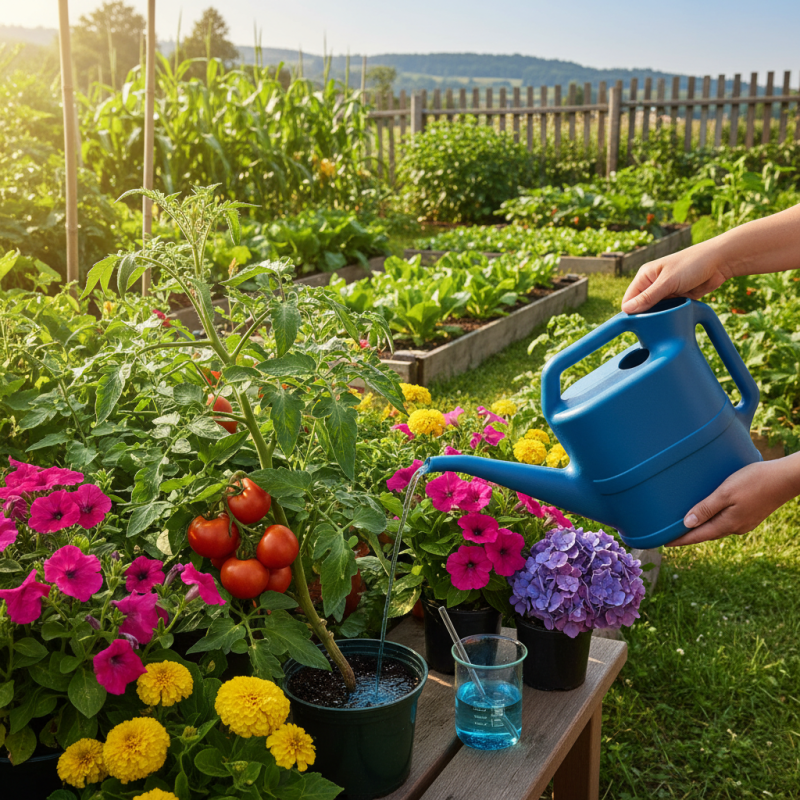
Understanding Water Soluble Fertiliser: Types and Composition
Water soluble fertilizers are essential tools for optimal plant growth and health, formed from a variety of compounds that dissolve in water. These fertilizers typically contain macronutrients such as nitrogen (N), phosphorus (P), and potassium (K), essential for plant development. According to a report by the International Fertilizer Association, the global market for water soluble fertilizers is projected to grow significantly, reflecting an increased reliance on these products for effective agricultural practices and gardening. The precise formulation allows for rapid nutrient uptake, which can enhance growth rates and yield.
There are different types of water soluble fertilizers, including nitrate-based, phosphate-based, and sulfate-based formulations. Each type serves a specific purpose in plant nutrition. For instance, nitrates are vital for promoting leafy growth, while phosphates encourage root development and flowering. A study published in the Journal of Plant Nutrition found that the correct application of water soluble fertilizers can increase crop yields by up to 30%, underscoring the importance of understanding their composition and respective benefits. Balancing these nutrients based on the crop requirements and soil conditions is crucial for maximizing plant health and ensuring sustainable agricultural practices.
How to Use Water Soluble Fertiliser for Maximum Plant Growth and Health
| Fertiliser Type |
N-P-K Ratio |
Best Use |
Dilution Rate |
Application Frequency |
| All-Purpose Fertiliser |
20-20-20 |
General landscaping and garden plants |
1-2 tablespoons per gallon of water |
Every 2-4 weeks |
| Bloom Booster |
10-30-20 |
Flowering plants and fruiting vegetables |
1 tablespoon per gallon of water |
Every 1-2 weeks during blooming |
| Vegetative Fertiliser |
30-10-10 |
Leafy greens and young plants |
1 tablespoon per gallon of water |
Every 1-3 weeks |
| Organic Plant Food |
5-5-5 |
Herbs and vegetables |
2 tablespoons per gallon of water |
Every 4-6 weeks |
Benefits of Using Water Soluble Fertiliser for Plant Growth
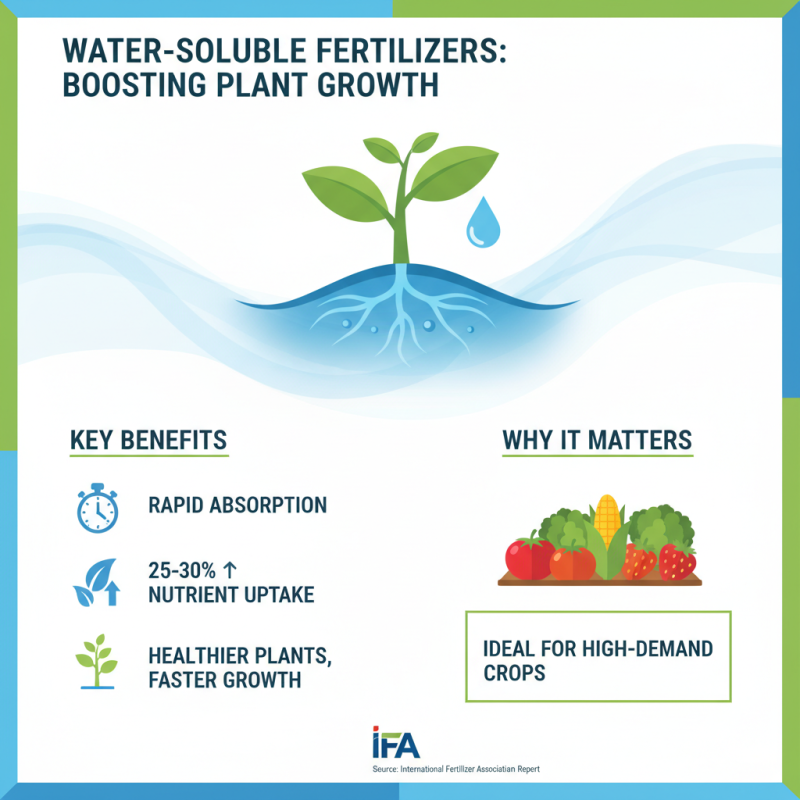
Water-soluble fertilizers have gained significant attention in the agricultural sector due to their efficiency and the boost they provide to plant health and growth. One of the primary benefits of using these fertilizers is their rapid absorption by plants. According to a report from the International Fertilizer Association, water-soluble fertilizers can enhance nutrient uptake efficiency by as much as 25-30% compared to traditional granular options. This increase in nutrient availability can lead to healthier plants with improved growth rates, making them particularly beneficial for high-demand crops.
Another significant advantage of water-soluble fertilizers is their customizable nutrient profiles. Farmers and gardeners can tailor the nutrient composition to meet the specific needs of plants at different growth stages, promoting optimal development. Research from the American Society of Agronomy indicates that plants receiving tailored nutrients exhibit higher yields and better resistance to pests and diseases. The immediate availability of nutrients also minimizes the risk of leaching and runoff, thus offering an environmentally friendly solution for sustainable agricultural practices. With these benefits, it is evident that using water-soluble fertilizers can significantly impact plant growth and overall health.
Steps to Properly Dilute and Apply Water Soluble Fertiliser
When using water-soluble fertilizers to promote plant growth and health, proper dilution and application are essential for achieving optimal results. According to a report from the American Society of Agronomy, plants absorb nutrients more effectively when fertilizers are applied in a solution form, allowing for higher nutrient uptake. To begin, it is crucial to follow the manufacturer’s instructions on dilution rates, which typically suggest mixing 1-2 tablespoons of the fertilizer per gallon of water for most garden plants. This ratio not only ensures that the plants receive the right amount of nutrients but also minimizes the risk of chemical burn that can occur with concentrated applications.
Application timing is another vital factor in maximizing the benefits of water-soluble fertilizers. Research published by the International Journal of Plant Science indicates that applying fertilizers during early morning or late afternoon can enhance nutrient absorption, as these times coincide with periods of lower evaporation rates. Moreover, incorporating a well-structured feeding schedule, such as bi-weekly applications during the growing season, can significantly boost plant performance. Consistency in application not only promotes vigorous growth but also helps in maintaining the overall plant health, leading to improved yields and vibrant foliage.
Water Soluble Fertiliser Usage Impact on Plant Growth
This chart shows the impact of different dilution rates of water soluble fertiliser on plant height increase. The data suggests that a 3x dilution rate yields the highest growth, while higher dilutions may lead to reduced height increase due to nutrient saturation or other factors.
Frequency and Timing: Optimizing Fertiliser Application for Plants
When it comes to using water-soluble fertilizers, understanding the frequency and timing of application is crucial for maximizing plant growth and health. Plants have specific nutrient needs that vary with their growth stages. Generally, a regular feeding schedule during the growing season, typically every 4 to 6 weeks, can help ensure that your plants receive the right nutrients when they need them most. It's important to adjust this frequency based on the specific needs of your plants and the nutrient levels in your soil.
Tips: Always consider the growth stage of your plants. Young seedlings benefit from lighter, more frequent applications, while mature plants may require a more robust fertilization routine. Additionally, be mindful of environmental conditions. If rainfall is frequent, you may need to reduce fertilizer applications, as excess water can wash nutrients away from the root zone.
Timing also plays a significant role in the application of water-soluble fertilizers. Early morning or late afternoon is often the best time to fertilize, as this can reduce the risk of evaporation and allows plants to absorb nutrients better. Applying fertilizer during these cooler hours also minimizes the risk of burning the plants in intense sunlight.
Tips: Monitor your plants closely for signs of nutrient deficiency, such as yellowing leaves or stunted growth, and adjust your application schedule accordingly. Keeping a calendar can help you track when and how much fertilizer you apply, ensuring that your plants are nourished consistently throughout their growing cycle.
Common Mistakes to Avoid When Using Water Soluble Fertiliser
Water soluble fertilizers are an effective means of delivering essential nutrients to plants, but improper use can lead to detrimental outcomes. One common mistake gardeners make is over-fertilizing. According to the American Society of Horticultural Science, excessive application can not only harm plants but also lead to nutrient runoff, causing environmental concerns. It is crucial to follow recommended application rates and frequency. Typically, a balanced fertilizer should be diluted in water according to package guidelines, with adjustments made based on plant needs and growth stages.
Another frequent oversight is neglecting to check soil moisture levels before application. Applying water soluble fertilizer to dry soil can lead to root burn and hinder nutrient absorption. A study from the Crop Science Society of America underscores that applying fertilizer during the early morning or late afternoon allows for optimal moisture retention, enhancing nutrient uptake by plants.
Tips: Always perform a soil test prior to fertilization to ascertain the existing nutrient levels, tailoring your fertilizer choice accordingly. Additionally, rotate your fertilizer types to prevent nutrient imbalances and promote long-term soil health. Remember, healthy plants start with proper fertilization strategies!