How to Use Water Soluble Potassium for Optimal Plant Growth and Health
Water Soluble Potassium is an essential nutrient that plays a pivotal role in promoting optimal plant growth and overall health. As a form of potassium that readily dissolves in water, it provides a highly accessible source of this vital macronutrient for plants, supporting various physiological processes such as photosynthesis, osmoregulation, and enzyme activation. Understanding how to effectively utilize Water Soluble Potassium can empower gardeners and agriculturalists to enhance crop yield, improve fruit quality, and strengthen plants against environmental stresses.
Incorporating Water Soluble Potassium into fertilization regimes presents a sustainable approach to meet the nutritional needs of diverse plants. This nutrient not only aids in the development of robust root systems but also enhances flowering and fruit development. Moreover, its ability to improve drought resistance and disease tolerance makes it an invaluable asset in modern agriculture. Through careful application and timing, growers can maximize the benefits of Water Soluble Potassium, ensuring that their plants thrive and produce abundantly. This guide will delve into practical strategies for using Water Soluble Potassium effectively, equipping you with the knowledge to cultivate healthy and vibrant plants.
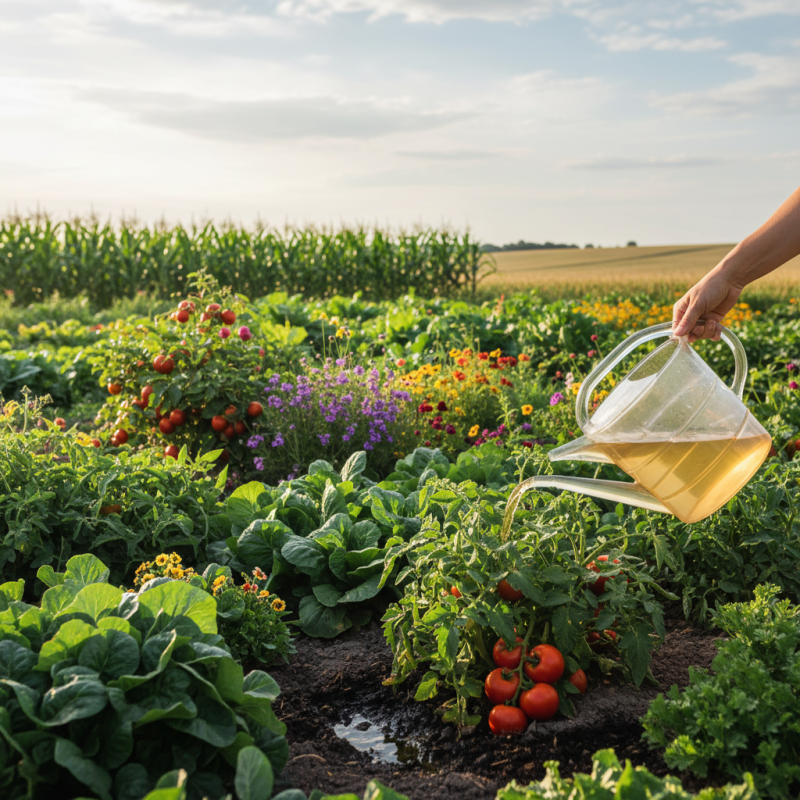
Understanding Water Soluble Potassium and Its Importance for Plants
Water soluble potassium is a crucial nutrient that plays a significant role in promoting optimal plant growth and overall health. As an essential macronutrient, potassium aids in numerous plant processes, including photosynthesis, protein synthesis, and enzyme activation. It also helps regulate water uptake, ensuring that plants maintain proper hydration levels, which is vital for nutrient transport and cellular function.
Understanding the importance of water soluble potassium extends beyond just the growth of leaves and fruits. It enhances plant resilience against stresses such as drought, disease, and extreme temperatures. With its ability to improve overall plant vigor, water soluble potassium contributes to strong root development and better nutrient absorption. This nutrient is particularly beneficial for flowering and fruiting plants, as it encourages larger and more abundant blooms and fruits, leading to improved yields.
Thus, incorporating water soluble potassium into your fertilization regime can significantly enhance both the quality and quantity of plant production.
Key Benefits of Water Soluble Potassium for Plant Growth and Health
Water-soluble potassium plays a crucial role in enhancing plant growth and health. One of the key benefits of water-soluble potassium is its ability to improve nutrient uptake. When this essential nutrient is dissolved in water, it becomes readily available for plants, facilitating the absorption of other vital nutrients such as nitrogen and phosphorus. This synergistic effect ensures that plants exhibit robust growth, vibrant foliage, and increased flowering and fruiting.
Another significant advantage of using water-soluble potassium is its positive impact on plant stress resistance. Potassium helps regulate stomatal movement, which allows plants to maintain proper moisture levels even during periods of drought or high salinity. By strengthening cell walls and enhancing overall plant vigor, water-soluble potassium contributes to improved resistance against pests, diseases, and environmental stresses. This resilience is especially important in modern agriculture, where plants are often subjected to fluctuating climate conditions and other challenges that can hinder their growth.
How to Use Water Soluble Potassium for Optimal Plant Growth and Health
| Aspect |
Description |
Benefits |
| Nutrient Uptake |
Increases the absorption of essential nutrients |
Improved plant growth and health |
| Stress Resistance |
Enhances tolerance to environmental stress |
Better yield under adverse conditions |
| Fruit Quality |
Contributes to improved color and taste |
Higher market value of crops |
| Root Development |
Promotes strong root system growth |
Improved nutrient and water uptake |
| Photosynthesis |
Aids in chlorophyll production |
Enhanced energy production for growth |
Guidelines for Applying Water Soluble Potassium in Different Soil Types
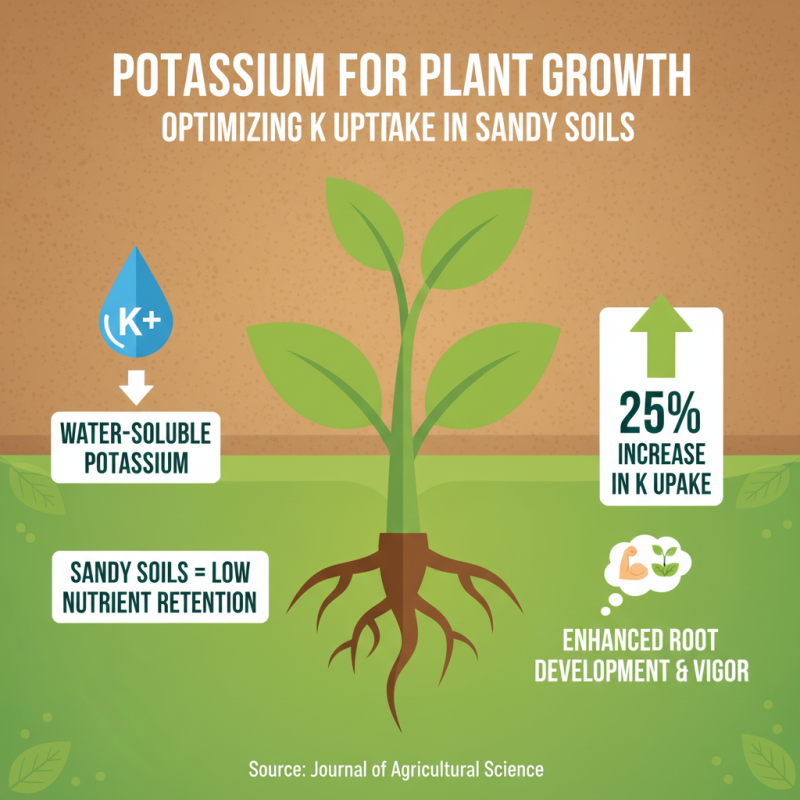
When applying water-soluble potassium (K) to enhance plant growth and health, understanding the soil type is crucial for optimizing its benefits. In sandy soils, which typically have low nutrient retention, incorporating water-soluble potassium can significantly boost potassium availability for plants. According to a study published in the "Journal of Agricultural Science," sandy soils showed a 25% increase in potassium uptake when treated with water-soluble solutions compared to traditional fertilizers. This is particularly effective during the growing season, aiding in root development and overall plant vigor.
Conversely, in clay soils, which tend to retain nutrients better but can become compacted, the application method requires a different approach. Research from the "Soil Science Society of America" indicates that applying water-soluble potassium via fertigation can improve mobility within the soil and enhance plant access to nutrients. This method has been shown to increase potassium availability by up to 30% in clay soils, leading to a marked improvement in crop yields, especially in potassium-sensitive crops such as tomatoes and potatoes. Tailoring the application of water-soluble potassium to specific soil types not only maximizes nutrient efficiency but also contributes to sustainable agricultural practices.
Best Practices for Timing and Frequency of Potassium Application
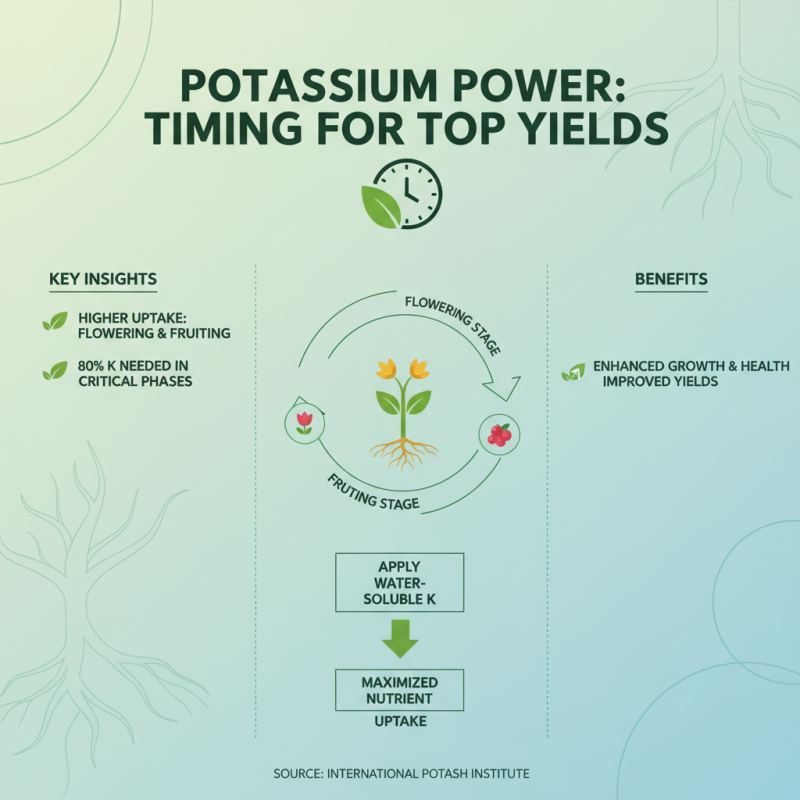
The timing and frequency of potassium application are crucial factors in ensuring optimal plant growth and health. Research indicates that potassium uptake is higher during specific growth stages, such as flowering and fruiting. According to a study published by the International Potash Institute, plants can absorb up to 80% of their potassium requirements during these critical phases. Thus, applying water-soluble potassium in alignment with these growth stages can significantly enhance nutrient availability and utilization, leading to improved yields.
Frequency of application should be adjusted based on the crop type, soil conditions, and specific growth phases. For instance, crops that are heavy potassium users may benefit from split applications, where a portion of the potassium is applied at planting, followed by additional doses during growth spurts. A study featured in the Journal of Soil Science reported that divided applications resulted in a 15% increase in yield for potassium-sensitive crops. Regular soil and tissue testing can help determine potassium levels and guide growers on the best timing and amounts to apply. By closely monitoring these factors, growers can optimize plant health and achieve sustainable growth.
Monitoring Plant Response to Water Soluble Potassium Fertilization
Monitoring plant response to water soluble potassium fertilization is crucial for understanding its impact on plant health and growth. By observing the physical and physiological changes in plants following potassium application, growers can assess the effectiveness of their fertilization strategies. Key indicators to monitor include leaf color, growth rate, and overall vigor. A vibrant green foliage often suggests that potassium levels are adequate, while yellowing leaves may indicate deficiencies. Additionally, measuring plant growth metrics, such as height and biomass, can provide insights into how well plants are utilizing the applied potassium.
Incorporating regular evaluations, such as soil and tissue testing, allows for a more precise understanding of potassium dynamics in the growing environment. This data helps in adjusting fertilization practices based on the plants’ needs. For instance, if tissue tests reveal insufficient potassium levels despite fertilization, it may signal the need for increased application rates or improved delivery methods. Careful monitoring enables growers to fine-tune their use of water soluble potassium, ultimately leading to better resource management and enhanced crop yields. This proactive approach ensures that plants receive the optimal amounts of potassium necessary for their growth and development, fostering healthier and more productive crops.
Impact of Water Soluble Potassium on Plant Growth