Why Choose Magnesium Nitrate Powder for Your Business?
Choosing the right raw material can shape production costs, product quality, and customer trust. Magnesium Nitrate Powder offers businesses a practical option for several controlled applications. Its high solubility supports efficient blending in agricultural formulations, specialty chemicals, and selected industrial processes. In a well-managed operation, it can dissolve quickly and reduce residue in mixing tanks. That detail matters on busy production floors.
However, purchasing decisions should involve more than price or impressive supplier claims. Buyers should review assay results, moisture levels, particle size, packaging quality, and batch consistency. A current Certificate of Analysis can support better quality control. Independent testing may also be appropriate for critical applications. Reliable suppliers should explain storage conditions, handling requirements, and relevant regulatory classifications clearly. Magnesium Nitrate Powder can attract moisture, so sealed packaging and a dry storage area are essential. Small mistakes here may affect performance.
Experience also teaches a less comfortable lesson. No material solves every process problem. Formulation compatibility, transport costs, local rules, and worker training still require attention. Businesses should test a sample before approving large volumes. Pilot trials can reveal caking, mixing, or stability concerns that specifications do not show. This step takes time. It can prevent expensive interruptions later.
A responsible supplier should provide traceable batches and responsive technical support. Buyers should compare evidence, not slogans. With careful qualification, Magnesium Nitrate Powder may improve operational consistency and support more predictable production. Its value depends on disciplined handling and a realistic understanding of its limits. That honest assessment is often the strongest business advantage.

What Is Magnesium Nitrate Powder?
What Is Magnesium Nitrate Powder?
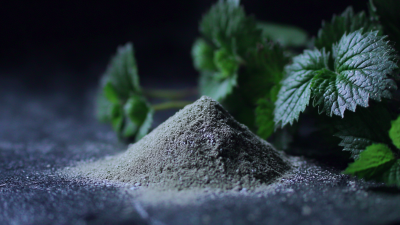
Magnesium nitrate powder is an inorganic salt with the formula Mg(NO₃)₂. It usually appears as a white, crystalline material. The powder dissolves readily in water and can attract moisture from the air. This hygroscopic behavior matters during storage, weighing, and transport.
In agriculture, magnesium nitrate supplies two useful nutrients: magnesium and nitrate nitrogen. Magnesium supports chlorophyll formation, while nitrate provides a readily available nitrogen source. This combination can help correct magnesium deficiencies in controlled growing systems and carefully managed soils. Application rates should follow soil tests, crop needs, and local agricultural guidance. More fertilizer is not always better.
The material also serves as a process ingredient and laboratory reagent. Its value depends on consistent purity, particle size, moisture content, and packaging quality. A practical purchasing review should examine the certificate of analysis and safety data sheet. Storage should use sealed containers in a cool, dry, well-ventilated area. Avoid contact with incompatible materials and unnecessary dust exposure. Basic protective equipment remains important.
One detail is easy to overlook. A dry powder may begin clumping after repeated exposure to humid air. That can affect dosing accuracy and production efficiency. Businesses should test a small batch under real operating conditions before making larger commitments. This step may feel slow, but it can reveal handling problems early.
Why Choose Magnesium Nitrate Powder for Your Business?
Magnesium nitrate powder is an inorganic salt that supplies magnesium and nitrate nitrogen. Its theoretical composition depends on its hydration state, so selecting the correct grade helps businesses control nutrient concentration, formulation performance, and storage requirements.
Key Properties of Magnesium Nitrate Powder
Why Choose Magnesium Nitrate Powder for Your Business?
Magnesium nitrate powder is a white, crystalline material with strong water solubility. Its formula, Mg(NO₃)₂, supplies both magnesium and nitrate nitrogen. This dual nutrient profile supports fertilizer blending and controlled nutrient formulations. Plants can absorb these nutrients efficiently when the application rate matches soil conditions. However, performance depends on crop type, moisture, and the surrounding chemistry.
The powder is hygroscopic, so it readily attracts water from humid air. Keep it in tightly sealed, moisture-resistant packaging. A cool, dry storage area helps preserve flow and consistency. It may cake when exposed to humidity. That detail can affect dosing equipment and production speed.
Magnesium nitrate also acts as an oxidizing material, requiring separation from incompatible substances and careful handling procedures.
Particle size influences mixing, feeding, and dissolution time. Purity, moisture content, and nutrient analysis should be checked through reliable laboratory testing. I would not judge quality by appearance alone. A bright powder can still fail a technical specification. In practice, no single grade fits every process. Buyers should compare certificates of analysis, packaging performance, and supplier documentation. Small trials can reveal unexpected caking or uneven blending before full-scale purchasing. That step may seem slow. It often prevents costly production adjustments.
Industrial and Commercial Applications
Why Choose Magnesium Nitrate Powder for Your Business?
Industrial and Commercial Applications
Magnesium nitrate powder supports several commercial operations where soluble magnesium and nitrogen are needed together. In agriculture, it can help correct magnesium deficiency while supplying readily available nitrogen. The International Fertilizer Association’s 2024 medium-term outlook expects global fertilizer demand to grow through 2028, although magnesium nitrate remains a specialized product rather than a mass-market fertilizer. That distinction matters.
Industrial users also apply it in chemical processing, nutrient formulation, laboratory work, and selected water-treatment processes. The U.S. Geological Survey’s Mineral Commodity Summaries 2024 identifies fertilizer and chemical manufacturing as important uses for magnesium compounds. In practice, buyers should evaluate purity, particle size, solubility, packaging, and batch consistency. A low price may become expensive when clogged feeders or uneven mixing slow production.
Tips: Request a recent certificate of analysis and safety data sheet. Test a small batch under actual humidity and storage conditions. Magnesium nitrate is hygroscopic, so sealed packaging and dry storage are essential. It can also support combustion under unsuitable conditions; keep it away from combustible materials and follow local transport and workplace rules. These steps sound basic, but many purchasing decisions overlook them. A technical review before scaling up can prevent avoidable waste.
Factors to Consider When Choosing a Supplier
Choosing magnesium nitrate powder can support consistent production, reliable storage, and controlled operating costs. However, supplier selection deserves careful attention. The powder should match your required grade, concentration, particle size, and intended application. A clear technical data sheet prevents expensive misunderstandings.
Ask for a current certificate of analysis with every lot. Independent testing is valuable when the material affects product quality. Check impurity limits, moisture levels, appearance, and batch identification. Traceability matters. You should be able to connect each bag to its production record, test results, and dispatch date. Some suppliers provide documents quickly, but incomplete records remain a warning sign.
Packaging also deserves practical review. Strong, sealed bags should protect the powder from moisture during loading and transport. Confirm pallet design, labeling, storage guidance, and shelf-life information. Discuss delivery schedules and backup capacity before placing a large order. A supplier may offer an attractive price but lack stable inventory. That can interrupt production.
Communication reveals operational experience. Ask how they handle damaged packaging, delayed shipments, specification changes, and customer complaints. Responsive answers are useful, but written procedures are better. Review safety documentation and confirm that the supplier follows applicable regulations in your location. Do not rely only on a sample. Test it under real process conditions, because a clean sample may not represent every future batch. This is an easy mistake to overlook. Supplier reviews should continue after purchase, not end with the first successful delivery.