2026 Top Sodium Nitrite Powder Suppliers and Prices
Sodium Nitrite Powder remains a closely watched industrial chemical in 2026. It supports regulated food preservation, color stability, and selected chemical manufacturing applications. Buyers need more than a low quotation. They need verified purity, consistent particle size, secure packaging, and documented traceability.
Market reports from Grand View Research, IMARC Group, and Mordor Intelligence describe steady demand across food processing and chemical production. However, their market boundaries differ. Some include sodium nitrite solutions, while others measure only solid products. That difference can distort comparisons. The market is not perfectly transparent.
Joseph G. Sebranek, a respected meat-science researcher at Iowa State University, wrote that “nitrite is the single most important ingredient in cured meat products.” His observation highlights why technical performance matters. It also explains why buyers should review residual limits, certificates of analysis, and storage conditions carefully. Sodium Nitrite Powder can absorb moisture when poorly sealed. A damaged bag may show clumping near the corners.
Pricing in 2026 depends on purity grade, order volume, origin, freight costs, energy prices, and regulatory documentation. Supplier quotes may look similar but contain very different delivery terms. Comparing only the price per kilogram is a weak method. A better review considers batch consistency, lead time, audit support, and responsible handling procedures. Some published forecasts may be optimistic. Readers should test every estimate against current quotations and verified supplier records.
Sodium Nitrite Powder: Uses, Properties, and Industry Applications
Sodium nitrite powder is a white to pale-yellow crystalline salt with high water solubility. It is commonly identified by CAS 7632-00-0. Its chemistry supports several lawful industrial functions, including corrosion inhibition, heat-transfer systems, and controlled food-processing applications. It also acts as an oxidizing agent, so storage needs dry, sealed, clearly labeled containers.
Food safety requires precision. The European Food Safety Authority’s 2017 scientific opinion retained an acceptable daily intake of 0.07 milligrams of nitrite ion per kilogram of body weight. The 2023 FAO/WHO JECFA framework also emphasizes exposure assessment and strict formulation control. These figures do not justify casual handling. Industrial users should follow approved specifications, trained procedures, and local regulations.
Demand depends on purity, packaging, certification, and regional logistics. Industry market reports often estimate growth through 2030, but their price ranges can differ sharply. That weakness matters. A supplier quote may exclude testing, freight, or hazardous-material compliance costs. Buyers should compare assay results, moisture limits, particle size, and certificates of analysis. In practice, a lower price can hide higher handling expenses. Sodium nitrite is useful, but not forgiving.
2026 Top Sodium Nitrite Powder Suppliers and Prices — Sodium Nitrite Powder: Uses, Properties, and Industry Applications
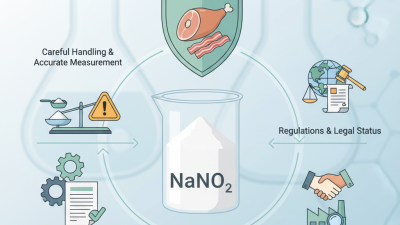
Sodium nitrite (NaNO₂, CAS 7632-00-0) is a highly water-soluble inorganic salt used in controlled industrial processes. The chart shows its approximate solubility in water at different temperatures, a key property affecting handling, formulation, and storage.
Uses and Industry Applications
Sodium nitrite powder is used as a curing agent and color stabilizer in processed meat, a corrosion inhibitor in closed-loop cooling and industrial systems, an ingredient in heat-transfer formulations, and an intermediate in selected pharmaceutical, dye, and specialty chemical processes. Commercial prices vary by purity, certification, packaging, order volume, freight, and region; supplier quotations should be verified directly.
Solubility values are approximate published reference values expressed as grams of sodium nitrite per 100 mL of water. Actual results may vary with measurement conditions and product grade.
Key Factors Shaping Sodium Nitrite Powder Prices in 2026
Key Factors Shaping Sodium Nitrite Powder Prices in 2026
Sodium nitrite powder prices in 2026 will reflect several connected market forces. Feedstock costs remain important, especially when energy, ammonia, or nitrate inputs become more expensive. Production efficiency also matters. Modern facilities may offer steadier quality, but stricter testing can increase the final quotation.
Freight costs could create noticeable differences between suppliers. A nearby supplier may charge more per kilogram but reduce delivery risks and storage expenses. Import duties, insurance, packaging, and currency movements can change the landed price. Industrial-grade material usually requires documented purity, moisture control, and batch traceability. These checks support reliable purchasing, although lower-cost offers may not provide equal documentation. Cheap is not always economical.
Demand from water treatment, metal processing, and chemical manufacturing may also influence availability. Seasonal orders can tighten supply and shorten quotation validity. Buyers should compare the specification, minimum order quantity, lead time, and transport terms together. A price without these details is incomplete.
Tips: Request a current certificate of analysis and confirm the exact grade before comparing offers. Check packaging condition, storage guidance, and supplier experience with regulated industrial materials. Ask whether the quoted price includes freight and required compliance documents. Keep a small cost record across several months. It may reveal trends that one quotation hides. Forecasts can be wrong, so leave room for market changes.
Leading Global Suppliers of Sodium Nitrite Powder
2026 Top Sodium Nitrite Powder Suppliers and Prices
Leading global suppliers of sodium nitrite powder include licensed chemical manufacturers, regional distributors, and audited export traders. Reliable suppliers usually provide consistent purity, clear batch coding, and current certificates of analysis. They may serve food processing, water treatment, laboratories, and industrial manufacturing. Product grade matters greatly, because specifications and permitted uses differ across markets. I have found that transparent documentation often reveals more than a polished sales page.
In 2026, sodium nitrite powder prices may vary from about 500 to 1,500 US dollars per metric ton for standard industrial grades. Higher-purity or specialized grades can cost more. Freight, packaging, order volume, insurance, and customs duties also affect the final quotation. A low price may look attractive, but it can hide weak testing or expensive delivery terms. Supplier directories are useful, though they are not always complete or current.
Tips: Request a recent certificate of analysis, safety data sheet, and manufacturing date. Confirm purity, moisture limits, packaging weight, and storage conditions. Compare delivered costs, not only the product price. Check whether the supplier follows relevant local regulations and maintains traceable quality records. Ask for a small evaluation order when practical. This step is not perfect, but it can expose inconsistent powder appearance, damaged bags, or unclear labeling before larger purchasing commitments.
How to Evaluate Sodium Nitrite Powder Quality and Supplier Reliability
2026 Top Sodium Nitrite Powder Suppliers and Prices
How to Evaluate Sodium Nitrite Powder Quality and Supplier Reliability
Evaluating sodium nitrite powder starts with documented identity and batch consistency. Request a current certificate of analysis for every lot, not only one sample. Check assay, moisture, chloride, sulfate, insoluble matter, and heavy-metal limits. The batch number should match the container label and shipping documents. Small mismatches matter.
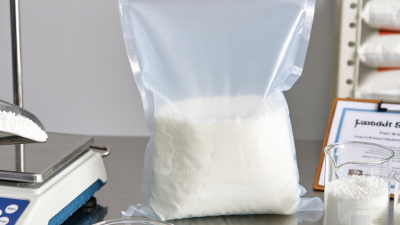
Inspect the packaging closely. Sealed inner liners, clear hazard labels, production dates, and intact outer cartons show basic process control. Ask how the supplier prevents moisture exposure during storage and transport. A reliable supplier can provide a safety data sheet, traceability records, and appropriate documentation for your region. Independent testing adds confidence, especially when results come from an ISO/IEC 17025-accredited laboratory.
Price needs context. Compare the delivered cost, minimum order quantity, testing fees, insurance, and expected lead time. The lowest quotation may hide inconsistent quality or weak support. Ask how the supplier handles damaged shipments, out-of-specification results, and delayed deliveries. Written answers are more useful than friendly promises. Still, no document proves everything. I would sample incoming material and keep retention samples for review. That step costs time. It can prevent a far larger problem later. Supplier reviews should also continue after purchase, because one successful shipment is not a complete reliability record.
Import Rules, Safe Handling, and Storage Requirements
In 2026, sodium nitrite powder purchasing requires more than comparing supplier prices. Importers should verify the product’s grade, concentration, origin, and intended use. Customs authorities may request a current safety data sheet, commercial invoice, packing details, and end-use information. Some jurisdictions also require importer registration, chemical declarations, or prior approvals. Requirements differ by destination. Confirm them with the customs office and a qualified compliance specialist before shipment. Do not rely on an old webpage.
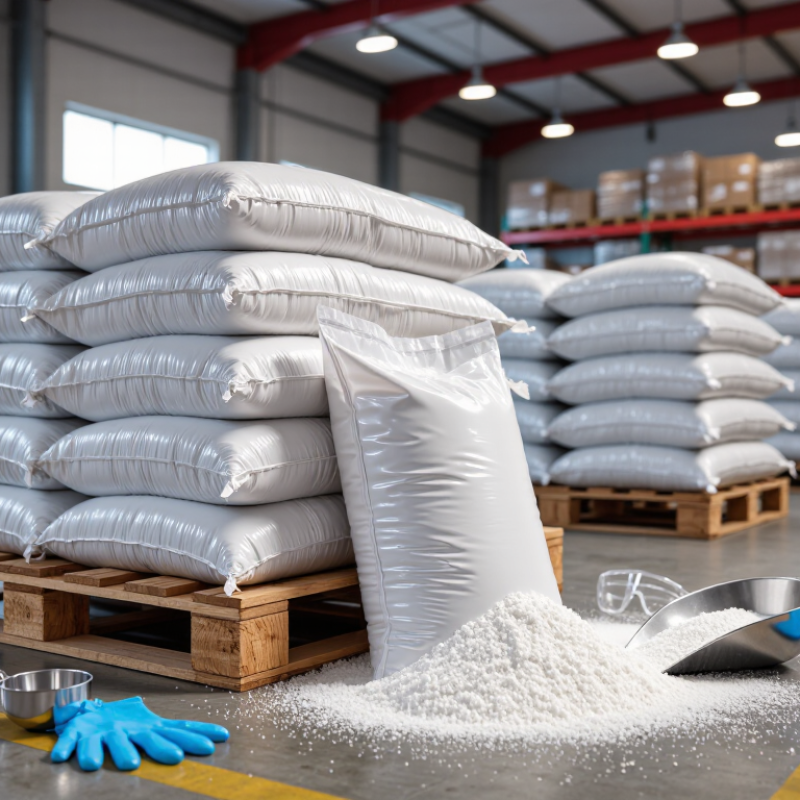
Workers should treat sodium nitrite as a hazardous oxidizing substance and toxic if swallowed. Use chemical-resistant gloves, protective eyewear, long sleeves, and effective local ventilation. Avoid generating dust. Never mix it with acids, ammonium compounds, organic materials, or reducing agents. Acid contact can release dangerous nitrogen oxides. Keep food, drinks, and personal items outside the work area. Read the label. A written spill plan and accessible emergency eyewash are practical safeguards.
Store the powder in its original, tightly closed, clearly labeled container. Keep it cool, dry, and well ventilated, away from sunlight, heat, moisture, and incompatible chemicals. Use secondary containment where leakage could spread. Inspect containers regularly for corrosion, clumping, damaged seals, or missing labels. Maintain batch records and apply a first-expiry, first-out system. One detail is often missed: a locked cabinet alone does not control humidity or chemical incompatibility. Review the arrangement after every delivery, because storage assumptions can age faster than the written procedure.