Leave Your Message

How to Buy Calcium Nitrate Granular in 2026?

Buying Calcium Nitrate Granular in 2026 takes more than comparing prices. Product grades, packaging, shipping terms, and intended use all affect the final choice. A label may show nitrogen and calcium percentages, but those figures should match the supplier’s current specification sheet. Ask for a recent certificate of analysis, batch details, and clear storage guidance. Small details matter. A damp, torn bag can tell you plenty about handling, though it cannot confirm product quality by itself.

This guide explains how to assess suppliers, compare quotations, and check granule size and packaging before placing an order. It also covers practical questions about minimum order quantities, delivery schedules, and payment terms. For agricultural use, confirm that the product suits your crop, soil conditions, and application plan; local agricultural advisers can help interpret those needs. Do not rely on a sales description alone. Request written answers, and compare the same grade and package size across offers. Prices can shift with season and freight, so a low quote may not stay low after delivery costs are added. I have seen specifications presented differently between suppliers, which makes direct comparison less tidy than expected. That is worth remembering. By checking documents and asking specific questions, buyers can make a more informed decision about Calcium Nitrate Granular in 2026, without treating a polished product page as proof of reliability.
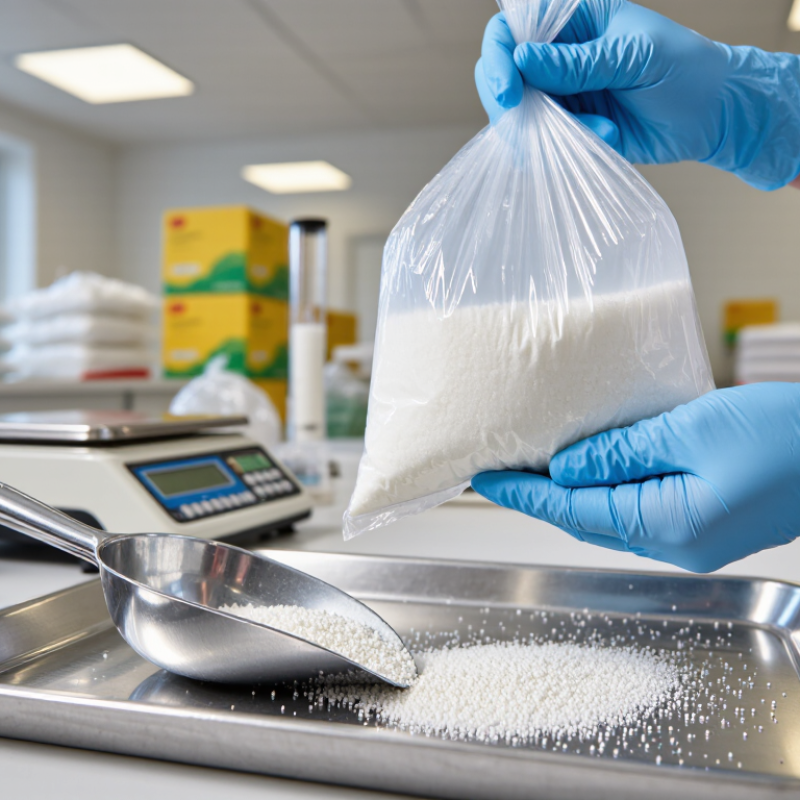
How to Buy Calcium Nitrate Granular in 2026?

What Is Granular Calcium Nitrate and Why Buy It in 2026?

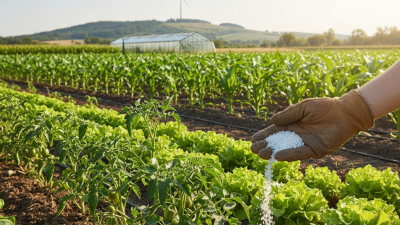
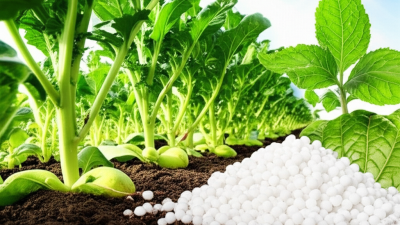
Granular calcium nitrate is a water-soluble fertilizer that supplies calcium and nitrate nitrogen. Its small, dry granules are easier to store and measure than many liquid products. Once dissolved, the nutrients can support crop growth and help prevent calcium-related disorders when plants receive an appropriate supply. It is used in soil applications and, where product instructions allow, fertigation. Check the label carefully. Granule size, nutrient analysis, moisture content, and solubility can vary. In 2026, buying decisions should still begin with your crop, soil or water test, and application equipment—not a trend. A bag may look uniform, yet dissolve unevenly if it has absorbed moisture.

Tips: Ask for a current analysis and safety data sheet. Inspect sealed packaging for clumping or damage. Compare the stated calcium and nitrogen content, not just the price per bag. Keep the product dry, and follow its label for handling and application. Small details matter.

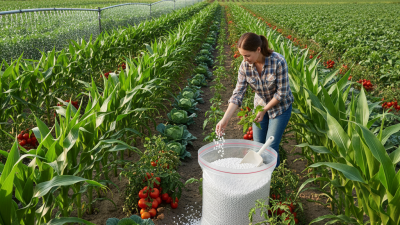
Before ordering, confirm the intended grade is suitable for your irrigation system or field method. If using fertigation, test solubility in a small container and check filters for residue. Do not assume every granular product behaves the same in a tank. Application rates depend on crop needs and local conditions, so seek qualified agronomic advice when uncertain. Calcium nitrate can be useful, but it is not a substitute for diagnosis. A soil or tissue test may reveal a different issue. That extra step takes time, and sometimes it changes the purchase.
How to Define Your Calcium Nitrate Purchase Requirements

Before requesting a quote, define the job the granules must do. Specify the crop, application method, target area, and required delivery date. Then set measurable product requirements: calcium and nitrate-nitrogen content, granule size range, moisture limit, and acceptable levels of insoluble material. Ask for a current certificate of analysis and a sample specification. A clear label matters. “Agricultural grade” alone is not enough to compare two offers.

Estimate quantity from a nutrient plan, not from a supplier’s suggested bag count. Record the soil or irrigation-water test results, planned application rate, and number of applications. The International Fertilizer Association’s Fertilizer Outlook 2024–2028 tracks global fertilizer demand in nutrient terms, a useful reminder that market figures do not establish the right rate for an individual field. Keep those decisions separate. Compare delivered cost per unit of declared nutrient, including freight, packaging, and any handling fees. Also confirm whether the granules suit your spreader or fertigation setup; test a small batch if flow or dissolution is uncertain. I have seen neat specifications still leave practical questions unanswered. That gap deserves attention.

How to Evaluate Product Quality, Purity, and Granule Specifications

When buying calcium nitrate granular in 2026, start with a lot-specific certificate of analysis, not the product label alone. Many agricultural grades declare about 15.5% total nitrogen and 19% calcium, but formulations vary. Check whether calcium is reported as elemental Ca or calcium oxide; the figures are not interchangeable. The IFA’s 2024 Medium-Term Fertilizer Outlook reports fertilizer use in nutrient terms, a useful reminder to compare declared nutrient content rather than bag weight. Ask for nitrogen forms, moisture, water-insoluble matter, and limits for chloride and sodium. A clean-looking sample proves little.

Granules should suit your equipment and storage conditions. Request a sieve analysis showing the percentage within the stated size range, plus results for fines and oversized particles. Too many fines can create dust and uneven spreading; weak granules may break during handling. Ask how crushing strength and caking are tested, and whether the sample represents the current production lot. I would test a retained sample if consistency matters. Small detail, big difference. Compare the COA with an independent laboratory result when the order is substantial, using a documented sampling method. FAO and IFA fertilizer reporting guidance also stresses consistent nutrient definitions; clarify units and test methods before comparing suppliers. Do not rely on color or granule size alone.

How to Buy Calcium Nitrate Granular in 2026?

How to Evaluate Product Quality, Purity, and Granule Specifications

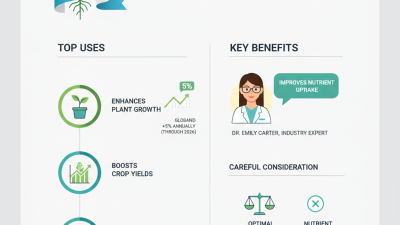
The chart summarizes commonly published fertilizer-grade reference specifications for granular calcium nitrate: approximately 15.5% total nitrogen, 19.0% calcium, moisture not exceeding 1.0%, insoluble matter not exceeding 0.5%, and at least 90% of granules within the 2–4 mm size range. Always confirm the exact limits through the supplier’s certificate of analysis, applicable national standards, and an independent laboratory test.

How to Compare Suppliers, Prices, Packaging, and Delivery Options

How to Buy Calcium Nitrate Granular in 2026?

Buying calcium nitrate granular in 2026 requires more than checking the lowest quotation. Compare suppliers by calcium and nitrogen content, granule size, moisture, and test certificates. The International Fertilizer Association’s 2024 outlook shows continued fertilizer demand growth, but regional supply conditions remain uneven. Therefore, ask for recent production dates and independent laboratory results. A low price may hide inconsistent granules or higher handling losses.

Price comparisons should use the same delivery basis. Request prices per metric ton, then check whether they include packaging, inland transport, insurance, and unloading. UN Comtrade data for calcium nitrate trade shows that reported unit values can vary sharply between importing markets. This difference may reflect freight, packaging, or product quality—not only supplier margins. Bulk bags often reduce packaging costs, while 25-kilogram bags may suit smaller farms but increase labor and waste.

Delivery details deserve equal attention. Confirm loading capacity, port route, lead time, and storage requirements before paying a deposit. The World Bank’s Logistics Performance Index highlights major differences in customs and transport efficiency across countries. Build a small comparison sheet. It should include net weight, certificate date, pallet condition, and replacement terms. My own purchasing judgment would remain cautious: even a clear quotation can become inaccurate after currency changes, port delays, or seasonal demand. Ask for a firm validity period. Keep a backup supplier.

How to Buy Calcium Nitrate Granular in 2026? - How to Compare Suppliers, Prices, Packaging, and Delivery Options

Comparison dimension What to check Useful buying benchmark or detail Questions to ask suppliers
Product grade and intended use Confirm whether the material is fertilizer grade or another specified grade, and whether it suits the intended application. Granular fertilizer products are commonly sold with declared nitrogen and calcium values; formulations differ by product and market. Can you provide the current product specification and a batch-specific certificate of analysis?
Nutrient analysis Compare total nitrogen and calcium content, including how calcium is expressed on the specification. Labels may state calcium as elemental Ca or as calcium oxide equivalent (CaO); these figures are not interchangeable. Are the stated values guaranteed minimums, typical values, or both?
Granule size and consistency Check the stated particle-size range, fines, oversize material, and whether a sieve analysis is available. There is no single particle-size range that applies to every product; compare offers against your spreader or process requirements. What percentage falls within the specified size range, and how is it measured?
Moisture and physical condition Review moisture limits, caking tendency, flowability, and storage instructions. Calcium nitrate is water-soluble and moisture-sensitive; packaging integrity and dry storage help protect product condition. What moisture limit is guaranteed, and what remedy applies if the goods arrive caked or damaged?
Price and quotation basis Compare price per metric tonne on the same grade, quantity, currency, delivery term, and tax basis. There is no universal 2026 price: quotations vary with location, order volume, packaging, freight, availability, and contract terms. Is the quote ex-works, FOB, CFR, CIF, or delivered? Which freight, insurance, duties, and taxes are included?
Packaging options Check bag material, liner, net weight, palletization, and suitability for local handling equipment. Common shipment formats include 25 kg bags, larger flexible intermediate bulk containers (FIBCs), and bulk shipments where facilities allow. What packaging is available, and are pallet, liner, or labeling requirements included in the price?
Minimum order and quantity breaks Establish the minimum order quantity and whether pricing changes at higher volumes. Minimums depend on stock location, packaging, and transport mode; request comparable quotes for your planned order size. What is the minimum order, and are partial loads or mixed packaging available?
Delivery and lead time Compare dispatch point, transport mode, estimated transit time, delivery appointment needs, and unloading arrangements. Lead times are route- and stock-dependent; distinguish confirmed stock from made-to-order or in-transit material. What is the earliest dispatch date, estimated arrival window, and process for reporting shortages or transit damage?
Documentation and compliance Request product and safety documentation, origin details where relevant, and documents required by the destination market. Fertilizer labeling, import, and transport requirements differ by jurisdiction; check applicable local rules before ordering. Can you provide a safety data sheet, certificate of analysis, and required shipping or customs documents?
Payment and risk terms Review payment schedule, quotation validity, claims window, and the point at which transport risk transfers. Incoterms® rules allocate defined responsibilities and costs; confirm the named place and edition used in the contract. What are the payment terms, quote expiry date, inspection procedure, and claims deadline?

Note: Product specifications, prices, availability, and delivery estimates should be confirmed in a written quotation for the destination and order quantity.

How to Verify Compliance and Complete a Safe Purchase in 2026

How to Buy Calcium Nitrate Granular in 2026?

A safe purchase starts with documents, not a low price. Ask the supplier for a current product specification and safety data sheet. Check the calcium nitrate content, granular size, batch number, and storage instructions. Compare these details with your intended agricultural use. The paperwork should describe the product you will receive, not just a similar grade. If a certificate of analysis is offered, confirm that its batch number matches the shipment.

Tips: Request a recent sample when practical. Inspect the sealed packaging for moisture, tears, or missing labels on delivery. Keep the invoice, batch details, and safety sheet together. Store the granules in a dry, well-ventilated place, away from incompatible materials, and follow the supplier’s handling guidance. Small details matter.

Before paying, verify the supplier’s business identity and ask how damaged or off-specification goods are handled. Confirm delivery conditions, packaging weight, and who to contact if the documents do not match the goods. Requirements can vary by location and use, so check applicable local rules with a qualified agricultural adviser. A rushed order can still look convincing; take time to compare the label against the specification.