2026 Best Calcium Nitrate Granular Suppliers for Buyers
Choosing a reliable Calcium Nitrate Granular supplier takes more than comparing prices. Buyers need to examine product specifications, supply consistency, packaging, and communication before placing an order. Small details matter. Granule size, moisture levels, and product handling can affect storage and use, so request current technical data and a representative sample where practical.
This guide explores suppliers to consider in 2026 and the factors that can help buyers compare them fairly. Look for clear product documentation, responsive technical support, and realistic information about production capacity and lead times. Ask how the product is packed, how batches are identified, and what quality checks are performed. A polished website is not proof of dependable supply. Neither is a low quotation.
Buyer needs differ. A distributor may prioritize steady volumes and shipment planning, while an agricultural user may focus on product fit and timely delivery. Verify claims directly, and confirm that specifications match your intended application and local requirements. Supplier listings can change, and availability may vary by region. That part is easy to overlook. No ranking can replace due diligence, and even careful comparisons may leave unanswered questions. The aim here is practical: help buyers identify relevant options, ask sharper questions, and make a more informed sourcing decision.
Understanding Granular Calcium Nitrate and Its Main Uses
Understanding Granular Calcium Nitrate and Its Main Uses
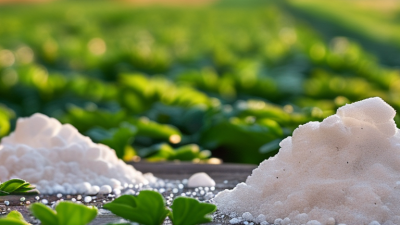
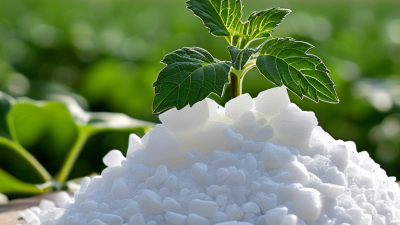
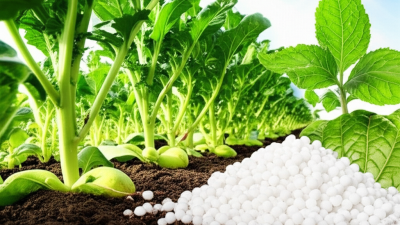
Granular calcium nitrate is a water-soluble fertilizer that supplies nitrate nitrogen and calcium. The granules are easier to handle and measure than many liquid feeds. Their exact size and dissolution rate can vary by grade, so check the product specification before planning application.
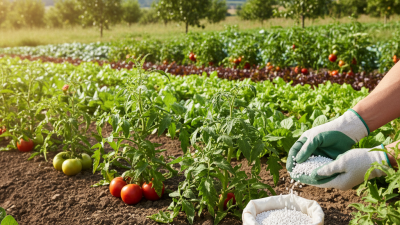
In field crops and greenhouses, growers use it to support leafy growth and provide calcium during fruit development. Calcium helps maintain cell-wall structure, while nitrate nitrogen is readily available to plants. For example, a grower may apply measured granules through a suitable fertigation system or spread them near a crop row. Follow label rates and local soil or water test results; more is not automatically better.
Mind the details. Some grades absorb moisture and may cake in a humid shed, so keep bags sealed and dry. When mixing a solution, add the granules gradually and confirm they dissolve fully. Avoid assuming every fertilizer can share the same tank: calcium can react with certain phosphate or sulfate products and form deposits. Real conditions are less tidy than a spreadsheet. Field response also depends on crop stage, soil moisture, and existing calcium levels, so monitor plants rather than relying on one fixed schedule.
Comparing Supplier Types, Product Grades, and Service Options
Buyers comparing granular calcium nitrate suppliers should look beyond price. Producers may offer steadier batch specifications and bulk volumes; distributors can provide smaller lots and regional stock. Importers may widen sourcing options, but delivery times and storage conditions deserve closer checking. Ask for a current certificate of analysis, batch traceability, and clear limits for nitrogen, calcium, moisture, and insoluble matter. Granules should look consistent, with minimal fines or hardened lumps.
Grade suitability depends on the application. For fertigation, confirm dissolution behavior and screen for insoluble residue; for soil application, check particle size and spreading consistency. The International Fertilizer Association’s Fertilizer Outlook 2024–2028 projects global fertilizer demand at about 205 million tonnes of nutrients in 2024/25. That figure covers all major fertilizer nutrients, not calcium nitrate specifically, but it underscores why reliable specifications and supply planning matter. Ask suppliers whether their tests are batch-specific, not merely typical values.
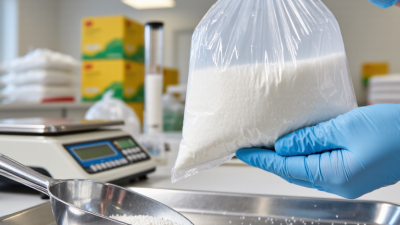
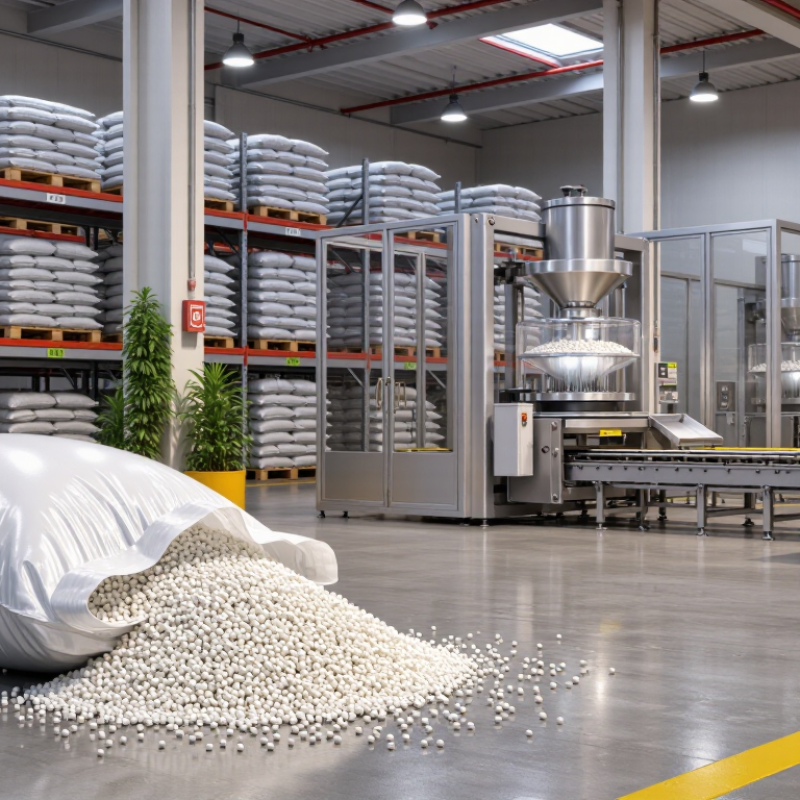
Service can separate otherwise similar offers. Useful options include sealed moisture-resistant packaging, pallet specifications, shipment tracking, and prompt technical answers. Request sample documentation before placing a large order. A low quote can still be the wrong choice. I would also check how the supplier handles a delayed shipment or a batch that fails agreed specifications; these details are easy to overlook, and they may not be spelled out clearly.
A Step-by-Step Checklist for Selecting a Supplier
2026 Best Calcium Nitrate Granular Suppliers for Buyers
A Step-by-Step Checklist for Selecting a Supplier
Start with the product specification, not the sales pitch. Request a recent certificate of analysis showing nitrogen, calcium, moisture, and particle-size distribution. Compare samples in the same spreader; granules that look alike can flow very differently. Ask for batch traceability and a safety data sheet. Keep the documents. IFA’s 2024 fertilizer outlook placed global fertilizer demand at about 205 million tonnes of nutrients, highlighting the scale of a market where consistent quality matters. That figure covers fertilizers broadly, not calcium nitrate alone.
Next, test the supplier’s delivery record. Ask for typical lead times, minimum order quantities, packaging options, and procedures for handling damaged or moisture-exposed bags. Check whether the supplier can share independent laboratory results and explain how results are sampled. Request references from buyers with similar storage and application conditions. A polished specification sheet is useful, but it cannot prove every shipment matches it. I learned this the hard way. Inspect a trial shipment before committing to seasonal volumes, and record any caking, dust, or uneven granules. One overlooked detail can disrupt field work. Review the quotation for freight, payment terms, and the date of each quality document. FAO’s fertilizer market reporting tracks supply and price shifts; use current market data when judging unusually low offers, rather than assuming the cheapest quote is the best value.