Leave Your Message

2026 Top Industrial Sodium Nitrite Suppliers Worldwide

The 2026 global market for Industrial Sodium Nitrite is becoming more specification-driven. Buyers now examine purity, moisture, trace metals, packaging integrity, and delivery consistency. Price still matters. It should not lead the decision.

Trevor Kletz, a respected industrial safety authority, warned, “If you think safety is expensive, try ignorance.” His message remains highly relevant to Industrial Sodium Nitrite sourcing. A reliable supplier should provide current safety data sheets, certificates of analysis, batch traceability, and clear transport documentation. Product labeling must match the intended application, whether chemical processing, corrosion control, laboratory work, or other regulated industrial uses.

This overview evaluates leading Industrial Sodium Nitrite suppliers worldwide through practical purchasing criteria. These include manufacturing capacity, quality-control systems, export experience, technical support, and response time. It also considers storage guidance, moisture-resistant packaging, and consistency between production batches. A polished website proves little. Documentation reveals more.

Some supplier information changes quickly. Production sites, certifications, and regional availability may require direct verification before contracting. That limitation deserves attention. Rankings can look precise while hiding uneven evidence.

The strongest suppliers combine dependable chemistry with disciplined communication. They answer technical questions clearly. They disclose specifications without unnecessary ambiguity. They also understand that sodium nitrite requires careful handling, trained personnel, and compliance with applicable local requirements.

This guide is designed for informed comparison, not automatic purchasing. A lower quotation may conceal longer lead times, weaker documentation, or avoidable quality risks. Careful review remains essential.

2026 Top Industrial Sodium Nitrite Suppliers Worldwide

Industrial Sodium Nitrite: Uses, Properties, and Global Market Role

Industrial Sodium Nitrite: Uses, Properties, and Global Market Role

Industrial sodium nitrite is an inorganic salt with the formula NaNO2. It usually appears as white to pale yellow crystals. The material dissolves readily in water and supports controlled oxidation-reduction reactions. Moisture, heat, and contamination can affect its stability during storage. Practical handling requires sealed packaging, dry warehouses, clear labeling, and trained personnel.

Industrial Applications

Manufacturers use sodium nitrite in metal treatment, corrosion-control systems, rubber processing, dye production, and selected chemical synthesis. It can help protect steel components in closed-loop industrial equipment. In concrete applications, controlled formulations may support cold-weather performance and reinforcement protection.

Food-related uses exist in regulated sectors, but permitted limits and documentation vary by jurisdiction. Purity alone is not enough. Buyers should review assay results, chloride levels, moisture, packaging condition, and batch traceability.

Global Market Considerations

Its global market role depends on more than production volume. Energy costs, nitrogen-based feedstocks, freight capacity, and environmental rules influence regional supply. Industrial buyers often compare local inventory with imported material, especially when project schedules are tight. Transport delays can disrupt metal-treatment or construction operations within days.

Market estimates also differ because some reports combine industrial and regulated food-grade demand. That comparison can mislead procurement teams. A better assessment considers application purity, technical support, compliance records, and emergency supply options. Small details matter.
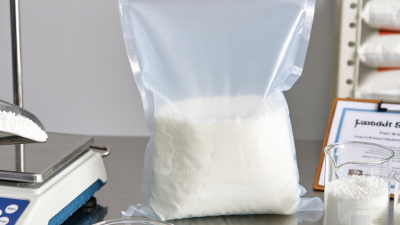

How to Evaluate Sodium Nitrite Suppliers and Product Quality

2026 Top Industrial Sodium Nitrite Suppliers Worldwide

How to Evaluate Sodium Nitrite Suppliers and Product Quality

Choosing among industrial sodium nitrite suppliers requires more than comparing quoted prices. Begin with documented manufacturing controls, not polished marketing claims. Request a current specification, safety data sheet, certificate of analysis, and batch traceability record. These documents should identify assay, moisture, chloride, heavy metals, appearance, and test methods. Unclear methods deserve questions.

Product quality becomes real at the receiving dock. Inspect sealed packaging, lot numbers, pallet condition, and moisture protection before acceptance. Ask whether retained samples are available for independent testing. A qualified laboratory can verify the assay and critical impurities against agreed limits. Do not rely on color alone. White crystals can still conceal inconsistent chemistry. For industrial use, stable results across several batches matter more than one impressive report.

Supplier evaluation should also cover storage, transport, emergency support, and regulatory documentation in each destination market. Check facility audits, change-notification rules, complaint handling, and realistic lead times. A supplier that explains limitations earns more trust than one promising perfection. That point is easy to miss. During audits, ask to see calibrated instruments and training records, where access is permitted. Keep an approved sample and compare future deliveries with it. Specifications may look complete, yet small gaps can create costly delays. Review the process carefully, and leave room to revise your assumptions.

Leading Industrial Sodium Nitrite Suppliers Worldwide in 2026

Leading industrial sodium nitrite suppliers worldwide in 2026 are judged by more than price. Reliable providers publish clear specifications, batch numbers, purity data, and safe handling guidance. Buyers should examine production capacity, packaging options, and storage conditions before signing a contract. Common packaging includes moisture-resistant bags, lined drums, and bulk containers. Each format suits a different factory environment.

Strong suppliers support quality checks from inquiry to delivery. They can provide certificates of analysis, consistent particle size, and traceable shipment records. Experience matters when sodium nitrite is used in metal treatment, industrial processing, or controlled manufacturing systems. Regional warehouses may shorten delivery times, while international shipments require careful documentation and compliant transport arrangements. A supplier’s website may look professional, but independent verification still matters.

Tips: Request a recent sample report, confirm the test methods, and compare at least three quotations. Ask how rejected batches are handled. Also check whether the supplier can maintain the same specification during seasonal demand. Low pricing can be useful, yet it may hide weaker packaging or slower technical support. I would not rely on one inspection alone; factory conditions can change. A practical audit should review storage areas, moisture control, worker training, and emergency procedures before regular purchasing begins.

Regional Supply Networks, Production Capacity, and Distribution

Global sodium nitrite supply in 2026 depends on regional production clusters, transport access, and reliable compliance systems. Large manufacturing networks in Asia support high-volume orders, while European facilities often emphasize controlled specifications, documentation, and shorter regional delivery routes. North American suppliers commonly serve water treatment, industrial processing, and food-related applications through established warehouse networks. Capacity is uneven.

Production capacity should not be judged by advertised annual output alone. Buyers should review operating rates, maintenance schedules, storage limits, and backup feedstock arrangements. A supplier producing 20,000 tonnes annually may offer less availability during planned shutdowns. That matters. Recent shipping disruptions have shown why regional inventory points are valuable. A practical network may include coastal plants, inland warehouses, and certified distributors near major industrial zones.

Distribution quality also depends on packaging, lot traceability, and controlled handling. Moisture-resistant bags or sealed containers can reduce product degradation during long journeys. Each shipment should include a current certificate of analysis, safety data sheet, batch number, and clear transport instructions. Procurement teams should compare lead times across at least two regions, not just quoted prices. This approach exposes hidden costs, including port delays, customs checks, and emergency storage. Even experienced buyers can overlook seasonal demand spikes. A stronger evaluation combines supplier audits, verified production records, local regulatory checks, and small trial orders before long-term contracts.

Safety Standards, Regulations, and Responsible Supplier Selection

Industrial sodium nitrite sourcing in 2026 requires more than comparing prices. Safety must guide every supplier decision. A reliable supplier should provide current Safety Data Sheets, Certificates of Analysis, batch numbers, and clear hazard labels. Documents should match the shipped material, not an outdated template. Confirm concentration, impurities, packaging strength, and storage requirements before purchasing.

Regulations vary by country, industry, and transport route. Responsible suppliers understand applicable chemical registration, workplace safety, environmental, and dangerous-goods transport rules. They should support compliance without making unsupported legal claims. Ask how they control moisture, prevent cross-contamination, and investigate quality deviations. Site audits can reveal practical details, such as sealed containers, marked storage zones, emergency equipment, and trained staff. A certificate alone can mislead. I have seen paperwork look complete while traceability remained weak.

Tips: Request a recent sample document set before signing a contract. Check whether the batch code links to production records and test results. Verify authorized transport arrangements and receiving procedures. Keep supplier reviews ongoing, not limited to the first shipment. Do not select solely on low cost; poor controls can create delays, waste, and serious exposure risks. If any specification seems unclear, pause the purchase and obtain written clarification from qualified technical and regulatory personnel.