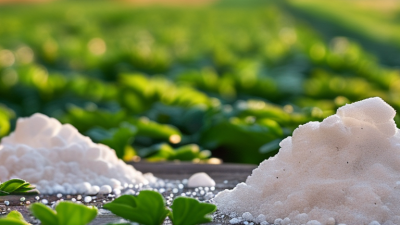
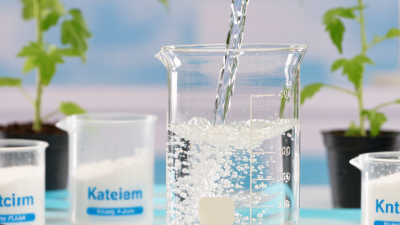
Choosing a Soluble Lawn Fertilizer is not simply a matter of picking the bag promising the deepest green. Soluble nutrients dissolve in water and can become available quickly, which is useful when grass needs timely feeding. But speed also leaves less room for guesswork. Applying too much, or applying before heavy rain, can waste nutrients and stress turf. The U.S. Environmental Protection Agency identifies fertilizer runoff as a contributor to nutrient pollution, which can fuel algal blooms and reduce oxygen in water. That matters beyond the lawn.
A sound choice starts with the grass, the soil, and the product label. A soil test can show whether nitrogen, phosphorus, or potassium is actually needed; grass type and season help determine an appropriate application rate. The Fertilizer Institute’s 4R Nutrient Stewardship framework recommends choosing the right nutrient source, rate, time, and place. It is a useful professional guide, not a substitute for local soil-test results or label directions. Check the guaranteed analysis, application instructions, and whether the formula suits your turf. A high nitrogen number may sound impressive. It is not automatically better.
This guide compares nutrient balance, solubility, application practicality, and environmental considerations to help narrow the options. There is no universal winner. Even careful advice can miss a detail—shade, compacted soil, or a recently seeded patch may change what works. Use the evidence, then observe how your lawn responds.
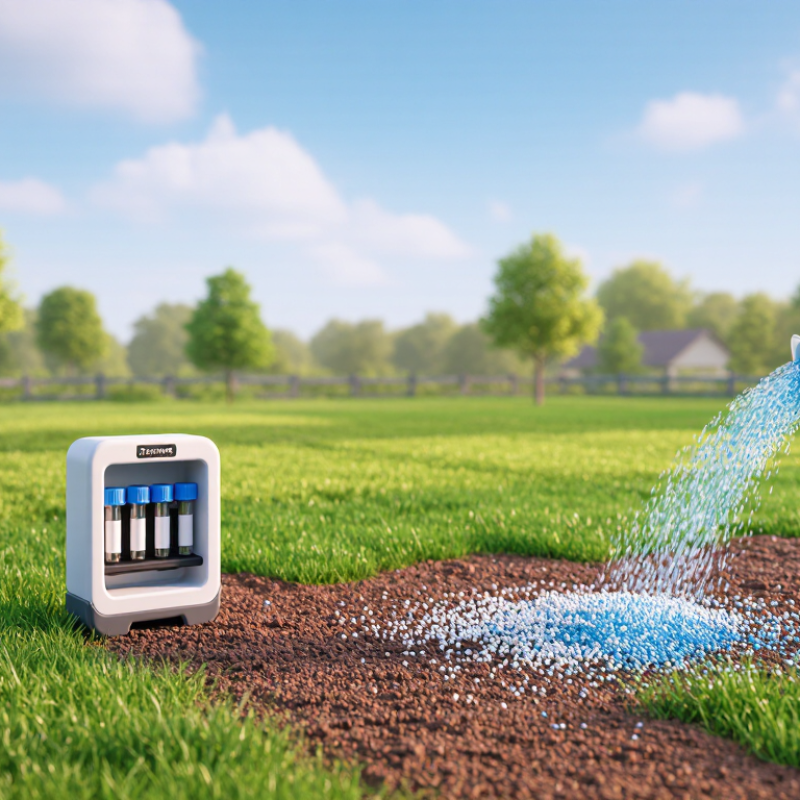
Soluble lawn fertilizer is a concentrated plant food designed to dissolve in water before application. Once watered onto the lawn, its nutrients are available to grass roots relatively quickly. Some products can also be applied to foliage, but only when the label allows it. It is different from many granular fertilizers, which may release nutrients over a longer period. The word “soluble” sounds simple, but it does not mean every product works the same way.
Check the nutrient analysis on the package, often shown as three numbers for nitrogen, phosphorus, and potassium. Nitrogen supports leafy growth, while the other nutrients serve different plant functions. A measured dose in a watering can or sprayer is more dependable than estimating by eye. Too much can leave brown or scorched patches, especially during hot, dry weather. Less is often safer.
Water the lawn as directed, and avoid applying fertilizer before heavy rain, which can wash nutrients away. Keep an eye on the grass over the next several days: color and growth may change quickly, though results depend on soil, weather, and lawn condition. I still find the term “quick feeding” a little misleading; fast availability does not fix compacted soil or poor watering. That part takes attention, not another scoop.

A soluble fertilizer can act quickly, but it cannot fix a nutrient problem you have not identified. Start with a soil test, ideally one that measures pH, phosphorus, and potassium. The results can show whether nutrients are actually low or simply unavailable because the soil is too acidic or alkaline. That matters. Adding more fertilizer without checking may waste money and stress the lawn.
Look at the grass, too, but treat visible symptoms as clues rather than proof. Pale blades can suggest several problems, including poor drainage, compacted soil, or nutrient shortages. It is tempting to diagnose by color alone; that shortcut is unreliable. Note where symptoms appear, how long they have lasted, and whether the whole lawn or only patches are affected. Consider the grass type, recent rainfall, and season before selecting a soluble formula. A local soil-testing service or university extension can help interpret results. If the cause remains unclear, test a small area first and observe it for a couple of weeks. Don’t guess too confidently.
Start with a soil test, not a flashy number on the bag. The N-P-K ratio shows the relative amounts of nitrogen, phosphorus, and potassium. Nitrogen supports green leaf growth, while potassium helps grass manage stress. Phosphorus is useful when soil needs it, but extra phosphorus is not automatically better. A soil report can help you decide whether a balanced formula or a nitrogen-focused one makes sense.
Read the label closely. A 20-0-10 formula supplies twice as much nitrogen as potassium, but the right balance depends on your lawn and soil. Check how much product delivers a measured amount of nitrogen, then follow the label’s application rate. Too much soluble nitrogen can scorch grass, especially on a hot afternoon. I have found that measuring carefully matters more than estimating from the color of the lawn.
Formulation changes how you apply it. Crystalline products must dissolve evenly, while liquid concentrates need accurate dilution. Look for clear mixing directions and check whether the product is intended for soil application or foliar use. A small patch test can reveal uneven coverage before you treat the whole yard. It is not foolproof. Apply to actively growing, watered turf, and avoid spraying before heavy rain, which can wash nutrients away.
A soluble lawn fertilizer should dissolve evenly in water, but “soluble” does not guarantee residue-free performance. Read the label for mixing ratios and inspect the solution for settled grains or clumps. Undissolved particles can block a sprayer nozzle. Hard water may also affect some formulations, so test a small amount before preparing a full tank.
Choose an application method that suits your lawn and equipment. A watering can works for small patches; a calibrated hose-end sprayer can cover larger areas. Apply evenly, following the label’s rate, and avoid windy conditions that can carry droplets onto paths or garden beds. Check whether the product should go onto wet or dry grass, and whether watering afterward is recommended. Never combine fertilizers or add pesticides unless both labels explicitly allow the mixture. A jar test can reveal clumping, but it cannot prove a mixture is safe for grass.
Tips: Measure the water and fertilizer instead of estimating. Rinse equipment after use, and note any uneven color or residue. I sometimes find that a slower pass gives more even coverage, though practice matters. Begin with the label’s directions, not guesswork.
How to Choose the Best Soluble Lawn Fertilizer?
Choose a Fertilizer for Your Grass, Soil, and Season
Start with the grass, not the fertilizer bag. Cool-season lawns, such as fescue, usually grow most actively in spring and fall. Warm-season grasses, including Bermuda grass, need warmth before they respond well to feeding. Applying fertilizer while grass is dormant can waste nutrients and may stress the lawn.
Check a soil test before choosing a formula. It can reveal whether your soil needs phosphorus or potassium, rather than extra nitrogen. If testing is not available, avoid assuming that a higher nutrient number means a better product. Look for a soluble fertilizer with clear application directions and a nutrient ratio suited to your lawn. Small details matter. Measure the lawn area, then use a spreader or watering can evenly; concentrated patches can scorch blades.
Timing matters, too. Feed actively growing grass when rain is not expected to wash nutrients away, but water the lawn as directed after application. In hot, dry weather, wait until the lawn is growing steadily. Soluble nutrients act quickly, which is useful, but they can also move through sandy soil or runoff from slopes. I would rather apply a modest, measured amount than chase fast color with too much. Even careful choices can miss something; soil conditions vary across a yard, sometimes within a few steps.
Match a water-soluble fertilizer to your grass type, active growing season, and soil-test results. The N-P-K numbers represent the percentages of nitrogen (N), phosphate (P2O5), and potash (K2O) by weight. Formulations below are generic examples, not universal prescriptions.
| Fertilizer profile | Typical N-P-K example | Best suited to | Grass and timing | Soil and use considerations |
|---|---|---|---|---|
| Nitrogen-focused, with some potassium | 24-0-8 | Established lawns that need nitrogen but do not need added phosphorus | Cool-season grasses such as tall fescue or Kentucky bluegrass are generally fertilized most in early fall. Warm-season grasses such as Bermuda grass are generally fertilized during active growth in late spring and summer. | Check the soil test before choosing a product with potassium. Apply only while the grass is actively growing, and follow the label to avoid excessive growth or fertilizer burn. |
| Balanced fertilizer containing phosphorus | 20-10-10 | Lawns with a soil-test-confirmed phosphorus need | Use during active growth when the soil test and lawn condition indicate a need; timing varies with grass type and local climate. | Many established lawns do not need routine phosphorus. Excess phosphorus can contribute to water pollution, so do not select this profile solely because it is called “balanced.” |
| Starter fertilizer for new turf | 10-20-10 | New seed or sod when a soil test indicates phosphorus is needed | Apply at establishment according to the product label. Choose a seeding or sodding period that suits the grass type and local growing conditions. | Starter fertilizer is not automatically necessary for every new lawn. Follow local rules on phosphorus use, especially near lakes, streams, or other waterways. |
| Higher-potassium formulation | 10-0-20 | Lawns with a soil-test-confirmed potassium need | Apply during active growth if recommended for the grass and region; do not use it as a general-purpose “winterizer” without checking the soil and label. | Potassium needs depend on soil type and test results. A high-potassium product cannot correct poor drainage, drought stress, or other non-nutrient problems. |
| Low-phosphorus or phosphorus-free nitrogen blend | 20-0-10 | Established lawns that need nitrogen and, if indicated, potassium but not phosphorus | For cool-season grasses, prioritize fall feeding; for warm-season grasses, fertilize during active growth in warmer months. | A zero in the middle N-P-K number means no phosphate is listed. Confirm whether potassium is needed, and avoid fertilizing dormant or drought-stressed turf. |
| Micronutrient-containing formulation | Example: 18-0-6 with listed micronutrients | Lawns with a confirmed micronutrient deficiency or a specific soil-test recommendation | Use only when the grass is actively growing and the product is appropriate for the grass type. | Micronutrients such as iron are not a substitute for correcting a nitrogen deficiency. Excess amounts can damage turf, so use only the labeled rate and check local soil-test guidance. |
Before applying: Test the soil where possible, identify whether the lawn is cool-season or warm-season grass, and check the fertilizer label for the application rate, dilution instructions, and suitable use conditions. Soluble nutrients become available quickly and can be lost through runoff or leaching; avoid application before heavy rain, keep fertilizer off hard surfaces, and water in only as directed by the label.