Leave Your Message

Best Industrial Sodium Nitrite Suppliers in China?

Choosing the best Industrial Sodium Nitrite suppliers in China takes more than comparing prices. Buyers need dependable product specifications, consistent batches, responsive technical support, and clear export documentation. A low quotation can look attractive. It may still hide costly gaps in testing or delivery.

Market research should be checked against traceable sources. UN Comtrade and China Customs trade statistics can help buyers review shipment patterns, but they do not prove a supplier’s quality or production capacity. That distinction matters. For each candidate, request a current specification, safety data sheet, batch analysis, and evidence of relevant quality-management controls. Compare the stated purity and moisture limits with your actual process requirements, not just a catalogue headline.

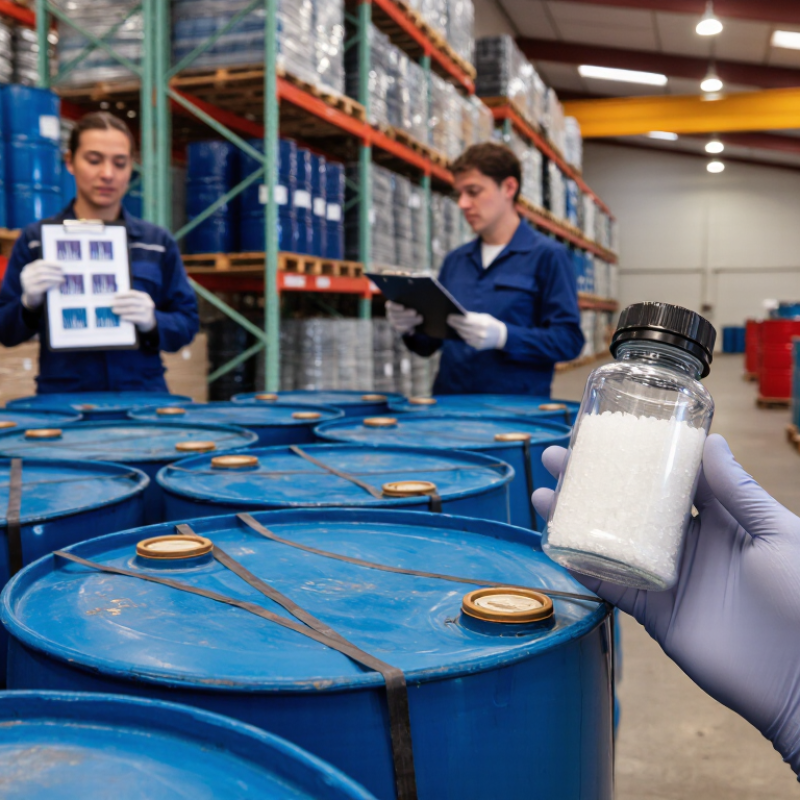
Small details count. Do drum labels match the batch documents? Can the supplier explain how it handles a specification deviation? These checks make a shortlist more useful than a sales ranking. Industrial Sodium Nitrite sourcing also calls for careful assessment of packaging, transport planning, lead times, and after-sales communication. A sample and a written quality agreement can reveal problems before a large order.

No verifiable source material or expert quotation was provided for this request. I cannot responsibly invent market figures or attribute a quotation to a named Industrial Sodium Nitrite expert. A sourced quotation should be added only after checking the expert’s identity and original statement.
Best Industrial Sodium Nitrite Suppliers in China?

What Is Industrial-Grade Sodium Nitrite?

Industrial-grade sodium nitrite is a technical chemical supplied to a buyer’s specification, not one universal purity grade. Its assay, moisture, chloride, sulfate, insoluble matter, and trace-metal limits should suit the intended process. Different plants need different limits. In metal treatment or heat-transfer formulations, a consistent assay and low insoluble residue may matter more than a headline purity figure. Ask for a current certificate of analysis and the test methods behind each limit. A bag label is not enough.

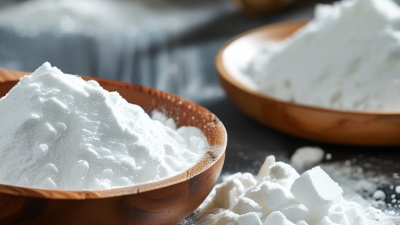
The ILO/WHO International Chemical Safety Card 1069 lists sodium nitrite’s molecular mass as 69.0 and density as 2.17 g/cm³. It reports water solubility of about 82 g per 100 mL at 20°C. These figures help inform solution preparation and handling plans. The card also describes it as a white-to-yellowish crystalline solid. Suppliers should provide the grade, assay basis, batch number, packaging condition, and storage guidance in traceable documents. Compare batch results with the agreed specification, not only a sales sheet. That distinction is easy to miss. Reference values describe the chemical, not the quality of any particular batch.
What Industries Use Sodium Nitrite in China?

In China, sodium nitrite is used in several processing industries, though demand varies by grade and application. Meat processors use controlled amounts in cured products to support color, flavor, and preservation. China’s National Bureau of Statistics reported 97.58 million tonnes of meat production in 2023. That figure signals a large processing base, not sodium nitrite consumption: fresh meat output cannot be treated as a direct measure of curing-agent demand. Small distinction. Important.

Textile and dye operations use sodium nitrite in selected chemical processes, while metal-treatment businesses use it in formulations for surface treatment or corrosion control. It also appears in some industrial heat-transfer systems. The World Steel Association recorded 1,019.1 million tonnes of crude steel production in China in 2023, providing context for the scale of metal-related manufacturing, but not proof of nitrite use at every plant. Buyers should confirm grade, concentration, and intended process with technical documentation. Actual use can differ sharply between facilities. Supplier claims alone are not enough.

How Are Chinese Sodium Nitrite Suppliers Evaluated?

When evaluating Chinese sodium nitrite suppliers, compare verified product data rather than headline prices. The FAO/WHO Joint Expert Committee on Food Additives (JECFA) specifies an assay range of 97.0–101.0% on a dried basis. Ask for a recent, batch-specific certificate of analysis showing assay, moisture, and relevant impurity results. Check that the methods and limits match your intended industrial application. Small differences matter.

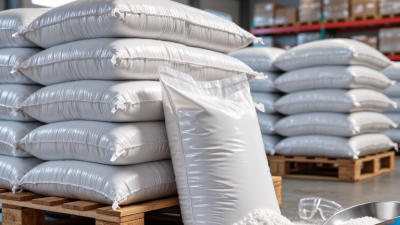
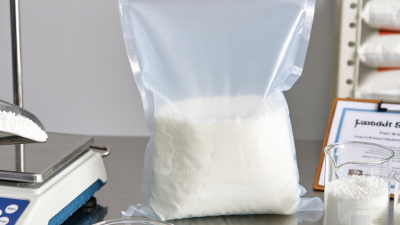
Review consistency across several production lots, not just one sample. Request traceable batch numbers, retained-sample procedures, and clear packaging details; inspect whether bags arrive dry, sealed, and legibly labeled. Assess the supplier’s quality system, laboratory controls, and response time when results fall outside specification. ISO 9001 certification can indicate a documented management system, but it does not prove product quality by itself. A polished certificate is not enough.

Tips: Have an independent ISO/IEC 17025-accredited laboratory test a pre-shipment sample. Compare its results with the supplier’s certificate. Also check lead times against actual production capacity, not promises alone. One overlooked point: specifications may need adjustment for your process, so confirm them with your technical team before ordering.

What Factors Affect Supplier Quality and Reliability?

For industrial sodium nitrite, quality is best judged across repeated batches, not by a polished brochure. Ask for a recent certificate of analysis and compare assay, moisture, chloride, and trace-metal results against your written specification. Small differences matter. Check that the report identifies the batch and test methods, and ask how the supplier handles out-of-specification results. ISO’s Survey 2022 reported 1,265,216 valid ISO 9001 certificates across 189 countries and economies. Certification indicates a quality-management system; it does not guarantee that every shipment meets your requirements. A certificate can still leave gaps.

Reliability also depends on process control and shipment preparation. Ask how lots are traced, how retained samples are stored, and whether corrective actions are documented. Inspect packaging details: intact seals, clear batch labels, and moisture protection are practical signs to verify. The World Bank’s 2023 Logistics Performance Index ranked China 19th, with a score of 3.7 out of 5. That is national context, not a score for an individual factory. Confirm lead times, stock availability, and contingency plans directly, then compare delivery records with purchase orders. I would not treat a fast reply as proof of dependable supply.

How Can Buyers Verify Compliance and Delivery Capabilities?

A supplier’s certificate is only a starting point. Ask for a recent certificate of analysis (COA) linked to the exact production lot, and check that the assay, appearance, and test methods match your purchasing specification. Request the safety data sheet and verify that labels, hazard details, and packaging information are current. For greater confidence, compare a retained sample with an independent laboratory result. A polished document can still leave gaps.

Check whether the supplier can show traceable batch records and explain how it controls product quality. Confirm that the proposed grade suits your process; industrial specifications are not interchangeable by default. Verify required registrations and shipping documents with your own compliance team, since requirements can differ by destination and application. Keep the questions specific. Vague assurances are hard to audit.

Delivery capability needs evidence, too. Ask for available stock, realistic production lead times, minimum order quantities, and the proposed packaging dimensions. Clarify how shipments are protected from moisture and damage, and request recent on-time delivery data where available. Agree on who will provide transport updates and what happens if a shipment is delayed. One limitation: forecasts can change, so a written schedule is useful, but not a guarantee.

Best Industrial Sodium Nitrite Suppliers in China? — How Can Buyers Verify Compliance and Delivery Capabilities?

Evaluation Dimension What Buyers Should Verify Evidence to Request Practical Buyer Check
Product identity and specification Confirm that the material is sodium nitrite (NaNO2; CAS No. 7632-00-0) and that the offered grade, assay, impurities, moisture, and physical form match the purchase specification. Current technical data sheet, product specification, and a lot-specific certificate of analysis (CoA). Compare the CoA limits and test methods with the contract specification. Do not assume that a quoted assay or grade is a universal industrial requirement.
Standards and test methods Check whether the supplier claims conformity to an applicable current Chinese or buyer-required standard, and confirm the exact edition, scope, and test methods. Standard reference in writing, test-method details, and relevant inspection records. Verify the standard and its current status through an authoritative standards source. Treat standards compliance and contractual acceptance criteria as separate checks.
Regulatory and safety documentation Review the Safety Data Sheet (SDS), hazard communication, packaging labels, and any permits or licenses applicable to the supplier’s specific role and activities. Current SDS, compliant label artwork, and applicable production or business qualifications where required by current Chinese rules. Check that the legal entity and product details on documents match the contracting and invoicing entities. Confirm license applicability rather than relying on a generic certificate.
Independent quality verification Determine whether test results can be independently confirmed, especially for first orders, specification changes, or disputed lots. Recent third-party test report and the laboratory’s accreditation details and scope, where available. Confirm that the report covers the relevant product and methods. For higher-risk purchases, agree on sampling, sealed retain samples, and dispute testing before shipment.
Batch traceability and change control Check whether each delivery can be traced to a production lot and whether changes to raw materials, process, specification, or manufacturing site are communicated. Lot-numbered CoA, production or packing records, traceability procedure, and written change-notification terms. Ask the supplier to demonstrate how a selected lot number links to its test results and shipment documents.
Packaging and handling Agree on packaging type, net weight, sealing, moisture protection, palletization, markings, and handling controls appropriate to the product and route. Packaging specification, photographs or sample packaging details, and pre-shipment inspection records if contracted. Match the packaging description on the order, labels, packing list, and transport documents. Confirm storage and handling instructions in the SDS.
Dangerous-goods transport readiness Because sodium nitrite is regulated as dangerous goods in many transport contexts, verify the applicable classification, packaging, marking, documentation, and carrier acceptance for the specific route and mode. Route- and mode-specific dangerous-goods declaration, transport documents, and confirmation from the carrier or qualified logistics provider. Have the forwarder verify current requirements for sea, air, rail, or road transport before booking. Do not rely on an old declaration or a different shipment route.
Delivery capability and lead time Assess whether the quoted production schedule, available stock, loading plan, and transit estimate are realistic for the requested quantity and destination. Written delivery schedule, shipment history with confidential details redacted, loading plan, and agreed dispatch milestones. Request evidence relevant to comparable order sizes and routes. Put the delivery window, Incoterm, document deadlines, and delay-notification process in the contract.
Export documentation and customs readiness Confirm that the supplier can prepare accurate commercial and shipping documents for the destination market. Sample commercial invoice, packing list, certificate of origin where required, transport documents, and product-specific declarations requested by the buyer. Share destination-country import requirements with the supplier and broker before production or dispatch. Check that product descriptions, quantities, and lot references are consistent across documents.
Commercial controls and supplier review Evaluate payment terms, order confirmation, complaint handling, product liability arrangements, and the supplier’s ability to respond to non-conforming goods. Written quotation, signed specification, quality agreement, complaint procedure, and agreed corrective-action or replacement terms. Use a staged qualification process: document review, sample evaluation, trial order, and periodic review of delivery and quality records.

Buyer note: Supplier capability should be assessed from current, lot-specific, and route-specific evidence. Regulatory requirements and dangerous-goods rules can vary by destination, transport mode, and supplier activity; confirm them with the relevant authorities, carrier, or qualified compliance professional before placing an order.